The Water Bottle Refill Scam: Don't Let Hydration Ruin Your Vacation
Exploring new cities, trekking through ancient ruins, or just lounging on a sun-drenched beach can work up a serious thirst. Staying hydrated is th...
The Water Bottle Refill Scam: Don't Let Hydration Ruin Your Vacation
Exploring new cities, trekking through ancient ruins, or just lounging on a sun-drenched beach can work up a serious thirst. Staying hydrated is the number one rule of travel, especially in hot or tropical climates. Naturally, when you are miles away from your hotel and parched, buying a cold bottle of water from a street vendor or a small roadside kiosk seems like the safest and easiest solution. Unfortunately, scammers have found a way to turn this basic human necessity into a profitable—and potentially dangerous—tourist trap.
The Water Bottle Refill scam is prevalent in many developing countries and popular tourist hotspots where tap water is generally considered unsafe for consumption. Instead of selling you factory-sealed, purified water, unscrupulous vendors are selling you recycled plastic bottles filled with questionable tap water, artfully resealed to look brand new. In this guide, we will explore exactly how this dirty trick works, how to spot a tampered bottle, and what you can do to ensure you are drinking safe water on your travels.
What is the Water Bottle Refill Scam?
At its core, this scam is a masterclass in aggressive recycling for illicit profit. Vendors, or rings of organized scammers, collect discarded empty plastic water bottles from trash cans, tourist sites, and beaches. Instead of recycling the plastic, they take these bottles back to their homes or kiosks and refill them directly from a garden hose, a public fountain, or a domestic tap.
Because tourists are generally cautious and know to look for a sealed cap, the scammers have adapted. Once the bottle is refilled with tap water, they use superglue or a specialized heating tool to carefully reattach the plastic seal ring to the cap. When you twist the cap open, the glue breaks, simulating the familiar "crack" of a factory seal.
Fascinating Fact: In some regions where water-borne illnesses are common, this scam is more than just a minor financial rip-off—it is a severe public health hazard that can lead to debilitating diseases like Giardia, Salmonella, or severe dysentery.
How Scammers Pull It Off
The operation requires very little overhead, making it an incredibly high-margin scam.
- Collection: Scavengers hunt for premium, recognizable branded water bottles (like Evian, Aquafina, or popular local brands) discarded by tourists.
- Refilling: The bottles are quickly rinsed and filled with local, untreated water.
- Sealing: Using a few drops of clear, quick-drying adhesive, the vendor glues the broken plastic ring back onto the bottom of the screw cap. Some more sophisticated operations use counterfeit shrink-wrap sleeves over the cap to make it look even more official.
- Chilling: The refilled bottles are thrown into an ice cooler alongside real, sealed beverages to mask any imperfections and make them irresistible on a hot day.
How to Spot a Refilled Bottle
While scammers have become quite adept at sealing these bottles, they are rarely perfect. If you know what to look for, you can easily spot a tampered bottle before you take a dangerous sip.
Check the Seal and the "Click"
Before handing over your money, inspect the cap closely. Does the plastic ring look perfectly aligned with the cap? Can you see any clear, crusty residue around the edges that might be dried glue?
When you twist the cap open, listen and feel for the break. A factory seal will break evenly with a distinct, sharp cracking sound. A glued bottle will often feel gummy, require more force to break, or pop off in one solid piece without the plastic bridges tearing.
Pro Tip: Turn the bottle upside down and give it a firm, steady squeeze before you open it or pay for it. A properly factory-sealed bottle will hold its pressure. If it is glued, the pressure will often break the weak adhesive, and water will leak out of the cap. If it leaks, hand it back immediately.
Inspect the Bottle’s Condition
Look at the physical condition of the plastic bottle itself. Does it look scuffed, scratched, or dented? Factory-fresh bottles should be pristine. If the bottle looks like it has been rolling around in a backpack or sitting in the sun for days, it has likely been scavenged and reused.
Check the Water Level and Clarity
Compare the bottle you are holding to the others in the vendor's cooler. In a factory batch, the water level in every single bottle will be identically uniform. If the water levels are wildly inconsistent—some filled to the brim, others with an inch of air—they were likely filled by hand. Additionally, hold the water up to the light. It should be crystal clear. If you see floating particulates or a cloudy tint, do not drink it.
The Health Risks of Refilled Water
Drinking untreated tap water in a country where your stomach is not accustomed to the local microbiology is a surefire way to ruin your vacation. The consequences range from mild traveler’s diarrhea (often colloquially referred to as "Delhi Belly" or "Montezuma’s Revenge") to severe food poisoning.
Moreover, the bottles themselves are often scavenged from garbage cans and are not sterilized before being refilled. This means you are not only exposing yourself to local tap water pathogens but also to whatever bacteria the previous owner left on the rim of the bottle.
How to Ensure Your Water is Safe
Protecting your health while traveling doesn't mean you have to be paranoid; it just means you need to be smart about your hydration strategy.
Buy from Reputable Sources
Whenever possible, buy your bottled water from established supermarkets, large convenience store chains (like 7-Eleven), or directly from your hotel. These larger businesses receive their inventory directly from distributors and have no incentive to risk their reputation by selling refilled street water.
Drink Sparkling Water
If you are buying from a street vendor and feel unsure about the still water, opt for carbonated (sparkling) water instead. It is virtually impossible for scammers to successfully refill, re-carbonate, and reseal a plastic bottle of sparkling water in a street-side operation. The presence of carbonation is a reliable guarantee that the bottle came from a factory.
Invest in a Filtered Water Bottle
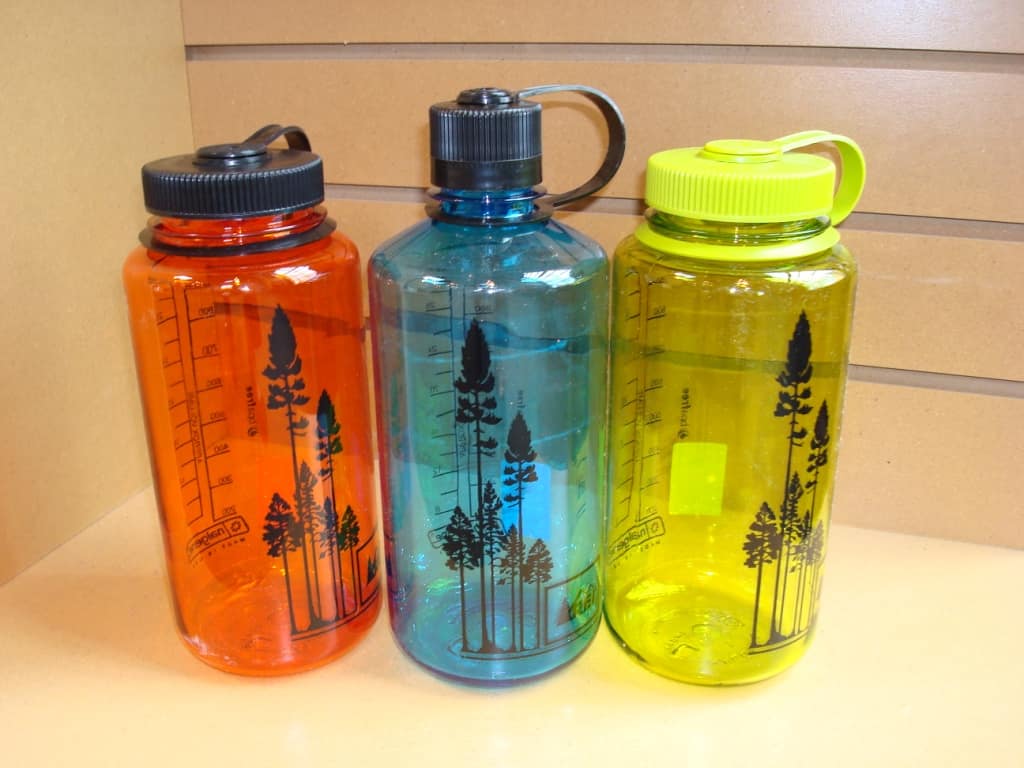
If you are traveling to a region known for unsafe tap water, consider bringing a reusable water bottle equipped with a high-quality purifier, such as a LifeStraw or a Grayl bottle. These bottles use heavy-duty filters that remove 99.9% of viruses, bacteria, and parasites, allowing you to safely drink tap water straight from the hotel sink.
Important: Always crush your empty plastic water bottles before throwing them away. Stomp on them or twist them until the plastic is irreversibly creased, and throw the cap away separately. This simple act prevents scammers from fishing them out of the trash to refill and resell to the next unsuspecting tourist.
Frequently Asked Questions (FAQs)
Q: Is it safe to drink water provided in glass bottles at restaurants? A: In reputable restaurants, glass bottles of filtered or branded water are usually safe. However, always ensure the waiter opens the sealed bottle at your table in front of you. If they bring an already-opened bottle to the table, politely request a new, sealed one.
Q: Can I use tap water to brush my teeth in countries where the water is unsafe? A: It is highly recommended to use bottled or filtered water to brush your teeth in these regions. Even a small amount of contaminated water on your toothbrush can be enough to cause severe stomach upset.
Q: What should I do if I accidentally drink from a refilled bottle? A: Stop drinking immediately. Stay hydrated with known safe fluids (like hot tea or canned sodas). Monitor yourself for symptoms of stomach illness. If you develop severe cramps, fever, or persistent diarrhea, seek medical attention and ask for appropriate antibiotics or rehydration salts.
Q: Are ice cubes safe to consume in street drinks? A: Generally, no. Street vendors often use the same untreated tap water to make their ice. Unless you are in a high-end restaurant or a country with potable tap water, it is best to ask for your drinks "sin hielo" (without ice).
Q: How common is this scam worldwide? A: It is most common in heavily touristed areas of Southeast Asia, parts of South America, India, and Northern Africa. However, travelers should remain vigilant regarding their water sources in any developing nation where tap water quality is suspect.
Get more practical guides like this
Follow the RSS feed or send Sahi.info to your WhatsApp circle so the practical guides keep moving.