The Unordered Appetizer Scam: When "Free" Bread Costs a Fortune
You’ve finally sat down at a charming outdoor cafe after a long day of sightseeing. Your feet are aching, but the ambiance is perfect. Almost immed...
The Unordered Appetizer Scam: When "Free" Bread Costs a Fortune
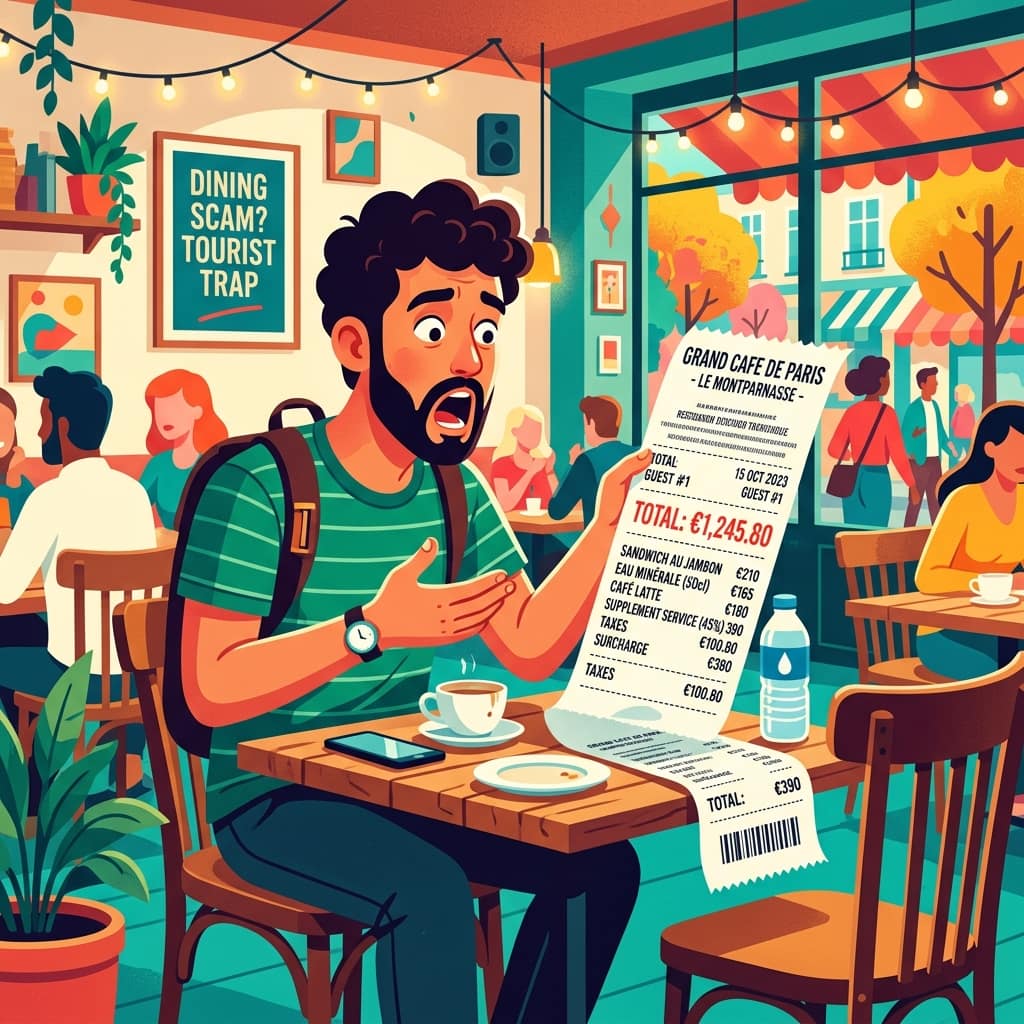
You’ve finally sat down at a charming outdoor cafe after a long day of sightseeing. Your feet are aching, but the ambiance is perfect. Almost immediately, a smiling waiter approaches your table and sets down a beautiful basket of fresh, crusty bread, a small dish of gleaming mixed olives, and perhaps a bottle of sparkling water. You didn’t order them, but you’re starving, so you eagerly dive in, assuming this is just a gesture of famous local hospitality.
It isn't until the end of the meal, when the bill arrives, that you realize your mistake. That basket of bread cost $15, the olives were $10, and the water was $12. You have just fallen victim to the Unordered Appetizer Scam.
While less aggressive than outright extortion, this stealthy scam is incredibly common in popular tourist destinations across Europe, Asia, and the Americas. It exploits the cultural differences in dining etiquette to quietly inflate your bill, leaving you feeling frustrated and cheated. In this article, we’ll explore how this subtle trap works and how you can confidently navigate foreign dining customs without paying for "gifts" you didn't ask for.
The Psychology of the Scam
The Unordered Appetizer scam operates in the gray area between aggressive upselling and cultural misunderstanding. It relies entirely on the tourist's assumption that unrequested items placed on the table are complimentary, as is customary in many parts of the world (like free chips and salsa in Mexican restaurants in the US, or complimentary tap water).
The Presumptive Close
The waiters who execute this scam use a sales technique known as the "presumptive close." By placing the food directly on the table without asking, they force the customer into an awkward position. To avoid the charge, the customer must actively reject the food and ask the waiter to take it away. Because most tourists are polite and want to avoid causing a scene or appearing rude in a foreign country, they simply accept the items.
Plausible Deniability
The brilliance of this scam from the restaurant's perspective is plausible deniability. If a tourist complains about the charges later, the waiter will simply shrug and say, "You ate it, so you must pay for it." They will often claim that it is a local custom to offer these items and that the prices are listed (often in tiny print on the back page of the menu). It turns the situation into a "he said, she said" argument where the tourist is made to feel culturally ignorant and at fault.
Pro Tip: The items used in this scam are specifically chosen because they have incredibly high profit margins. Bread, olives, generic bottled water, and small dips cost the restaurant pennies but are billed at premium rates.
Variations of the Scam
The core mechanic—charging for unrequested items—manifests in several different ways depending on the country.
The "Cover Charge" Confusion
In some countries, like Italy or Portugal, charging for bread and table settings (known as coperto or couvert) is completely legal and culturally standard. However, scammy restaurants will exploit this by charging an astronomically high couvert (e.g., €10 per person instead of the standard €2) or by bringing extra items (like expensive cheese or cured meats) that are not included in the standard cover charge, billing each one separately.
The Bottled Water Trap
In many countries, asking for water will automatically result in the waiter bringing a large, expensive bottle of imported mineral water, which they will quickly open and pour before you can stop them. They will aggressively pretend not to understand requests for "tap water" (which is free) or falsely claim the local tap water is unsafe to drink.
The Tequila / Shot "Gift"
At the end of a meal, especially in lively tourist areas or beach resorts, the waiter might bring over a tray of colorful shot glasses, cheerfully announcing, "A gift from the chef!" You drink the shot, thank them, and later find each "gift" added to your bill at an inflated price.
How to Protect Your Bill
Avoiding the Unordered Appetizer scam requires a slight shift in mindset: assume nothing is free until explicitly told otherwise.
1. Reject Items Immediately
The moment a waiter places bread, olives, water, or any other item you did not specifically order on the table, ask directly: "Is this complimentary?" If they say no, or give a vague answer, politely but firmly tell them, "No thank you, please take it back."
Important: Do not touch the food, break the bread, or open the water bottle while you are asking. The moment you consume any part of it, you are legally obligated to pay for it.
2. Learn the Local Terminology
Before traveling, familiarize yourself with the dining customs of your destination. Learn the local phrases for "tap water" (e.g., carafe d'eau in France, agua del grifo in Spain) and use them confidently. Know whether a standard cover charge is customary so you can distinguish between a normal fee and an inflated scam.
3. Check the Menu's Fine Print
Legally, restaurants in most countries are required to list the prices of all items they serve, including bread and cover charges. Scan the bottom of the menu pages or the back cover for any hidden fees. If the waiter brings you olives and they aren't listed anywhere on the menu, send them back immediately.
4. Guard Your Glasses
If you order tap water or a specific drink, watch the waiter carefully when they bring it. Do not let them open bottled water without showing you the bottle first to confirm it is what you ordered. If they try to pour an unrequested bottle, politely place your hand over your glass and say no.
What to Do If You Get Charged
If you've already eaten the "free" bread and are staring at a surprisingly high bill, here is how to handle the situation.
- Review the Menu: Ask to see the menu again. Check if the price of the unordered items was clearly listed. If it was listed, you have less leverage and will likely have to pay it as an expensive lesson learned.
- Dispute Unlisted Charges: If the items you were charged for are not listed on the menu, firmly dispute the charge. Tell the manager, "I did not order this, and the price was not listed on the menu. I will pay for what I ordered, but I will not pay this hidden fee."
- Stand Your Ground (Politely): Many scammy restaurants will quickly drop the extra charges if you calmly stand your ground, as they do not want a loud argument in front of other potential customers.
- Leave an Honest Review: Regardless of the outcome, leave a detailed review on major travel platforms warning other tourists about the restaurant's deceptive practices.
Frequently Asked Questions (FAQs)
Q: Is it rude to send bread back in Europe? A: Not at all. In countries like Portugal, where the couvert is standard practice, waiters are entirely accustomed to guests waving away the bread and cheese basket if they don't want to pay for it. It is considered a normal part of the dining transaction, not an insult.
Q: Are complimentary snacks ever actually free? A: Yes! In many parts of Spain, for example, it is customary to receive a free tapa (a small snack like olives or chips) with a drink order. The key difference is that a legitimate free snack will not appear on your bill at the end. When in doubt, always ask.
Q: Can I refuse to pay if the waiter said it was a gift? A: If the waiter explicitly used the word "gift" or "free" and then charged you for it, you absolutely should refuse to pay for that item. That is outright fraud. Demand they remove it from the bill before you hand over your credit card.
Q: How can I tell if tap water is safe to drink in a foreign country? A: Do your research before your trip. The CDC website provides excellent, up-to-date information on water safety for every country. If the tap water is safe, do not let waiters bully you into buying expensive bottled water by claiming otherwise.
Get more practical guides like this
Follow the RSS feed or send Sahi.info to your WhatsApp circle so the practical guides keep moving.