The "No Prices on the Menu" Trap: A Recipe for Disaster
Food is a universal language and one of the greatest joys of travel. Wandering through a vibrant piazza in Italy, a bustling night market in Thaila...
The "No Prices on the Menu" Trap: A Recipe for Disaster
Food is a universal language and one of the greatest joys of travel. Wandering through a vibrant piazza in Italy, a bustling night market in Thailand, or a scenic waterfront in Greece, the aroma of local cuisine is intoxicating. A charming waiter catches your eye, enthusiastically inviting you to sit at a beautifully set table. They hand you a menu, you order a delicious seafood platter and a bottle of local wine, and you settle in for a perfect evening. But the romance abruptly ends when the bill arrives, demanding an astronomical sum that rivals the cost of your flight.
You've just been caught in the "No Prices on the Menu" Trap.
This insidious dining scam targets unwary tourists, exploiting social etiquette, language barriers, and the relaxed mindset of vacationers. By hiding the true cost of the meal until it’s too late, unscrupulous restaurateurs extort hundreds—sometimes thousands—of dollars from their victims. In this article, we’ll dissect how this culinary con works, the psychology behind it, and how you can ensure your next vacation meal leaves a good taste in your mouth.
How the Scam is Served
The "No Prices on the Menu" trap is carefully choreographed. It thrives in highly touristed areas where foot traffic is dense and customer turnover is high. Restaurants running this scam don't care about repeat business; they rely on a constant stream of new, unsuspecting victims.
The Bait
The scam begins with aggressive but friendly touts (promoters) standing outside the restaurant. They will compliment you, ask where you are from, and promise "the best local food" or a "special discount just for you." They might even show you a display board with very reasonable prices to lure you in.
Once you are seated, the dynamic subtly shifts. The menu you are handed at the table is different from the one displayed outside.
The Missing Numbers
When you open the menu, you’ll notice a glaring omission: there are no prices listed next to the dishes. Alternatively, the prices might be present for cheap appetizers, but the main courses, daily specials, and seafood are completely unpriced, perhaps marked only with "Market Price" or listed by weight (e.g., "€8 / 100g") without any indication of how much a typical portion weighs.
Pro Tip: In some variations of this scam, the waiter will hand the male guest a menu with prices and the female guest a "ladies' menu" without prices—a dated etiquette practice that scammers weaponize to cause confusion when ordering.
The Pressure Tactics
If you attempt to ask for the price, the waiter will employ high-pressure sales tactics. They might wave off your concern, saying, "Don't worry, it is very cheap, very good price for you!" They may pretend not to understand your English when money is mentioned, or they might try to shame you, implying that asking about money is rude or ruins the romantic atmosphere. They will heavily push the "catch of the day," "chef's special," or a specific bottle of wine, emphasizing its quality while deflecting questions about its cost.
The Extortionate Bill
After you've eaten, the trap snaps shut. The bill arrives, and it is catastrophic. That "fresh fish" was billed at an exorbitant weight, bringing the cost to $400. The "local wine" was actually a premium vintage marked up to $300.
When you protest, the friendly demeanor of the staff vanishes. They point out that you consumed the food and are legally obligated to pay. If you refuse, they may call over intimidating bouncers, lock the doors, or threaten to call the police (who, in some highly corrupt areas, might even be in on the scam). Fearing for their safety or wanting to avoid a legal nightmare in a foreign country, most tourists simply hand over their credit cards and leave in tears.
Spotting the Red Flags
Preventing this extortion requires vigilance before you even take a seat. Here are the warning signs of a predatory restaurant.
1. Extremely Aggressive Touts
If a restaurant has staff standing in the street aggressively blocking your path, begging you to come in, or thrusting menus in your face, keep walking. Truly excellent restaurants in tourist areas are usually full and do not need to harass pedestrians to fill tables.
2. Discrepancies Between Menus
Compare the menu displayed outside with the menu handed to you at the table. If they are different, or if the outside menu has prices while the inside one does not, leave immediately.
3. "Market Price" or Pricing by Weight
Be incredibly wary of items sold by weight (per 100g or per ounce). It is nearly impossible for a customer to accurately estimate the weight of a whole fish, including bones and ice, before it is cooked. If you must order an item by weight, demand that they weigh it in front of you and calculate the exact total price before you agree to order it.
Important: Never accept a vague answer like "It will be a good price." If the waiter refuses to give you an exact, numerical price for a dish or a drink, stand up and leave.
4. Overly Attentive "Upselling"
If the waiter is aggressively pushing you to order the "special platter" instead of the standard menu items you selected, be on high alert. Scammers use specials specifically because they aren't written down, making it easy to invent a massive price later.
How to Protect Your Wallet
Dining out should be relaxing, but a few firm boundaries can save you from a massive financial headache.
Do Your Research
Before sitting down at a random restaurant near a major tourist monument, check their reviews on Google, TripAdvisor, or Yelp. Scammer restaurants inevitably have terrible ratings, with pages of furious reviews warning of the exact pricing traps they employ.
Always Ask for the Price
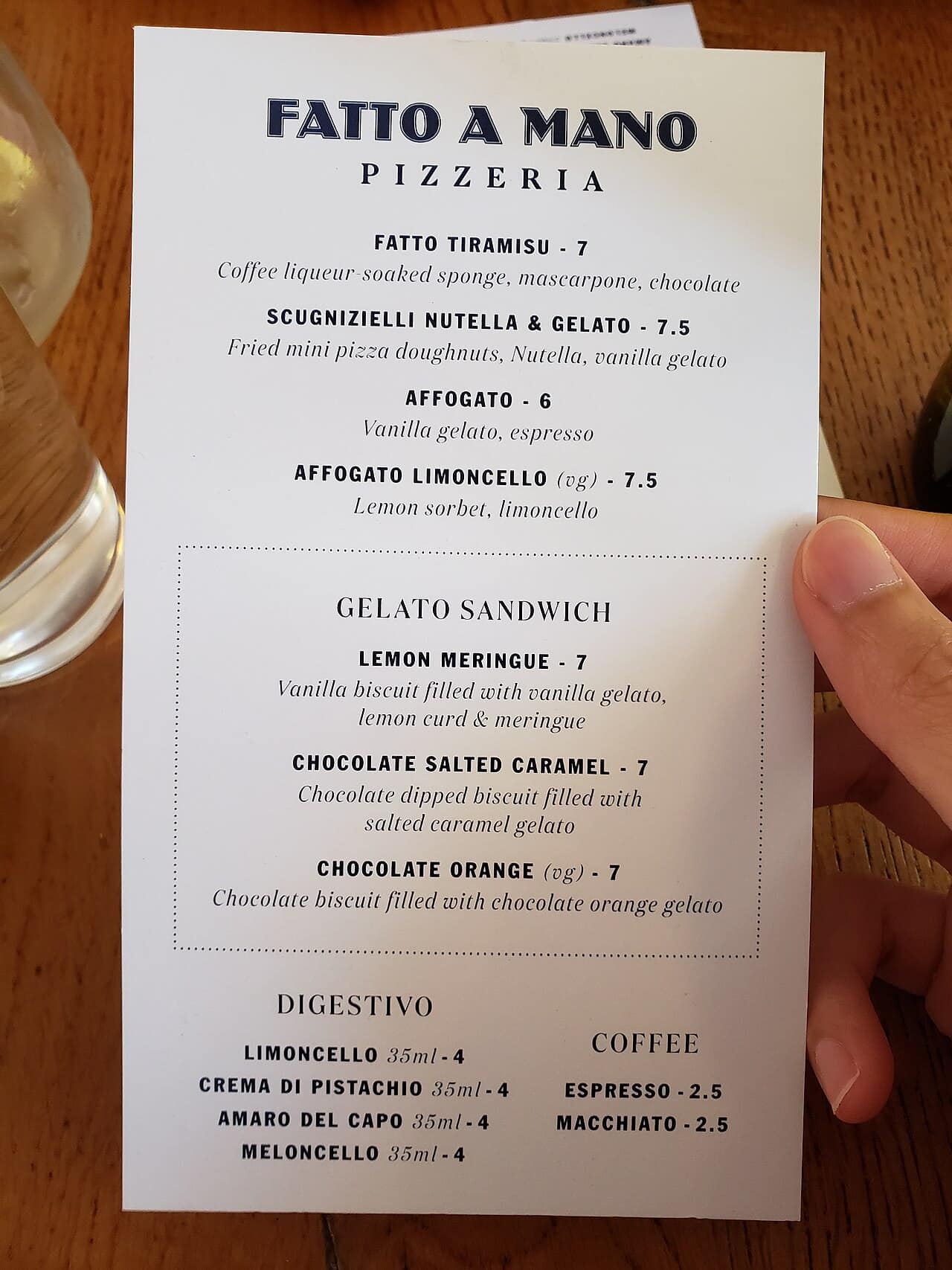
Do not let social anxiety or fear of looking "cheap" stop you from asking for the price. It is your money. Ask clearly, "Exactly how much will this dish cost in total?" If they hand you a menu without prices, immediately ask for a menu with prices. If they claim they don't have one, walk out.
Document the Menu
If you feel slightly uneasy but decide to stay, discreetly snap a photo of the menu (with the prices) on your phone. If the final bill reflects inflated prices that don't match the menu, you have photographic evidence to dispute the charge.
Check the Bill Carefully
When the bill arrives, scrutinize it line by line. Look for hidden "cover charges" (coperto), unmentioned service fees, or charges for bread and water you didn't order.
What to Do If You Get Scammed
If you find yourself staring at an impossible bill, here is how to handle the confrontation.
- Stay Calm but Firm: Do not shout or become aggressive, as this can escalate the situation dangerously. Calmly state that the prices are not what was agreed upon or what was reasonable.
- Demand an Itemized Receipt: Refuse to pay a handwritten number on a scrap of paper. Demand an official, printed, itemized receipt. Often, scammers will lower the price when forced to put the fraudulent charges on official tax documents.
- Involve the Authorities: If the restaurant threatens you or blocks your exit, tell them you are calling the local tourist police. In many countries, the tourist police take these scams very seriously as they damage the local economy. Often, the mere threat of calling the police is enough to make the restaurant dramatically reduce the bill to make you go away.
- Pay Under Protest and Dispute: If you feel physically threatened and cannot leave, pay with a credit card (never cash). Ask for a copy of the receipt. The moment you are safe, call your credit card company, report the extortion, and initiate a chargeback for fraud.
Frequently Asked Questions (FAQs)
Q: Are there any legitimate reasons for a restaurant to not have prices on the menu? A: Historically, some ultra-fine-dining establishments provided unpriced "guest menus" to individuals who were not hosting the meal, so they wouldn't worry about the cost. However, in modern, casual, or tourist-oriented restaurants, a lack of prices is almost always a massive red flag.
Q: What is a "coperto" and is it a scam? A: In Italy, a "coperto" is a standard, legal cover charge (usually €2-€5 per person) added to the bill to cover bread, oil, and tableware. It is not a scam, but by law, it must be clearly stated on the menu. If a restaurant charges an exorbitant coperto that wasn't listed, that is a scam.
Q: Can I just refuse to pay and walk out? A: This is highly risky. Walking out on a bill can technically be considered theft ("dine and dash"), and the restaurant staff may physically stop you or call the police and accuse you of a crime. It is better to dispute the bill, demand police presence yourself, or pay via credit card and issue a chargeback later.
Q: How do I avoid tourist trap restaurants altogether? A: Walk at least three to four blocks away from major landmarks, squares, and monuments. The quality of the food generally goes up, and the prices go down, the further you get from the primary tourist hotspots. Seek out places filled with locals rather than tourists.
Get more practical guides like this
Follow the RSS feed or send Sahi.info to your WhatsApp circle so the practical guides keep moving.