The Local Art Student Scam: When Friendly Conversation Turns into Extortion
One of the greatest joys of traveling is connecting with locals. Whether it is asking for directions, getting a restaurant recommendation, or simpl...
The Local Art Student Scam: When Friendly Conversation Turns into Extortion
One of the greatest joys of traveling is connecting with locals. Whether it is asking for directions, getting a restaurant recommendation, or simply chatting about life in a different culture, these spontaneous interactions often form the most memorable parts of a trip. However, scammers are keenly aware that tourists are generally open-minded, polite, and eager for "authentic" local experiences. Enter the "Local Art Student" scam, a sophisticated and highly psychological trap that preys on your politeness and turns a friendly street chat into a high-pressure sales nightmare.
Often found in major cultural capitals like Beijing, Florence, Paris, and parts of Southeast Asia, this scam relies entirely on social engineering rather than pickpocketing or physical theft. It begins with a seemingly innocent conversation and ends with you being guilt-tripped into spending hundreds of dollars on worthless, mass-produced "art." In this guide, we will break down exactly how this scam operates, the red flags to watch out for, and how to extricate yourself without emptying your wallet.
What is the Local Art Student Scam?
The scam typically unfolds in popular tourist squares or near major monuments. You are approached by one or two young, well-dressed, and incredibly friendly locals. They usually speak excellent English and approach you with a non-threatening opener. They might ask you to take a photo for them, ask for directions (despite being locals themselves), or simply say they are university students wanting to practice their English with a native speaker.
Once they have your attention, they excel at building rapid rapport. They will ask where you are from, compliment your country, and ask how you are enjoying their city. After five or ten minutes of genuinely pleasant conversation, the hook is set.
Fascinating Fact: This scam is highly organized. The "students" are rarely actual students; they are professional street touts who memorize conversational scripts and earn a hefty commission for every tourist they successfully drag into the gallery.
The Invitation
Once you feel comfortable with your new friends, they will casually mention an event happening nearby. They might say, "Our university art class is holding an exhibition just around the corner," or "My professor is hosting a cultural tea and calligraphy showing, and today is the last day."
Because they have spent time building a friendly connection with you, and because the exhibition is framed as a cultural, academic event rather than a commercial store, most tourists happily accept the invitation. This is exactly what the scammers are counting on.
Inside the "Art Exhibition"
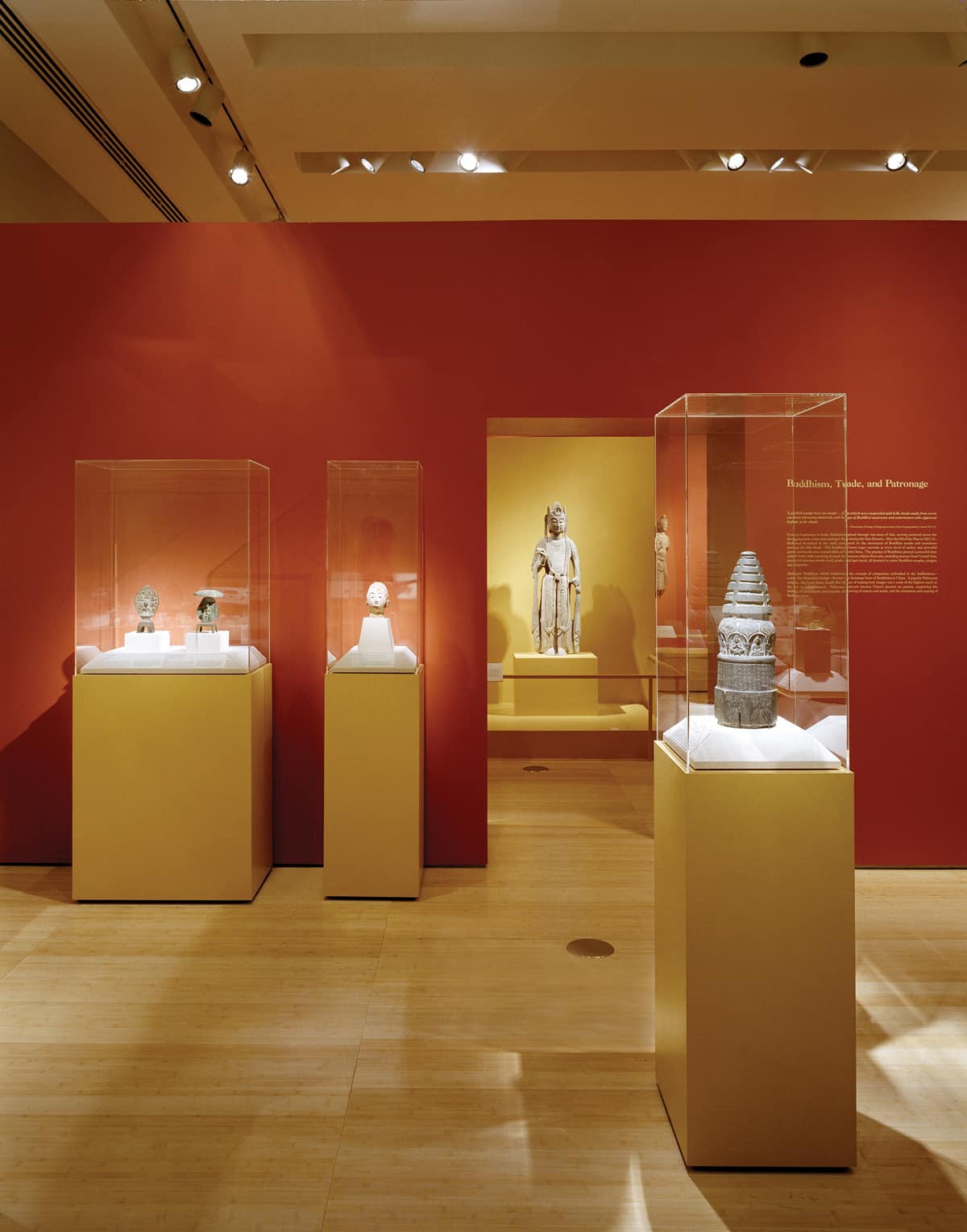
The moment you step off the busy street and into the secondary location—usually a secluded room down an alleyway or on the upper floor of an unmarked building—the dynamic immediately changes.
You will likely be seated, offered a cup of tea, and surrounded by canvases or scrolls. The "students" and a newly introduced "manager" or "professor" will begin showing you the artwork. The friendly conversation rapidly devolves into a high-pressure sales pitch.
Important: The artwork sold at these "exhibitions" is almost never original. It is usually cheap, mass-produced prints ordered from factories, artificially aged, and sold at a 1000% markup. What you are told is a "one-of-a-kind student masterpiece" is actually worth a few dollars at best.
The Guilt Trip and Extortion
If you politely decline to buy anything, the psychological manipulation begins. The scammers will use aggressive guilt-trip tactics. They may claim that buying the art is the only way they can afford their tuition, or that their professor will fail them if they don't make a sale.
If guilt does not work, the atmosphere can turn hostile. The exits might be blocked by staff, and the scammers may suddenly demand exorbitant payment for the "free" tea you drank or the "cultural demonstration" you just watched. In extreme cases, tourists have reported being escorted to ATMs by intimidating gallery staff to withdraw funds.
How to Spot the Scam Before You Get Trapped
The easiest way to beat the Local Art Student scam is to never enter the gallery in the first place. Be on the lookout for these massive red flags:
The "Where Are You From?" Opener
While genuine locals might be curious about you, street touts almost universally use this question to profile you. It tells them what language you speak, gauges your wealth based on your home country, and gives them an easy conversational pivot ("Oh, America! I love the Chicago Bulls!").
Pro Tip: If a stranger approaches you on the street in a busy tourist area and their second or third question is "Where are you from?", be on high alert. This is the classic opening line for almost every organized street scam in the world.
The Unprompted Invitation
Genuine locals who want to practice English or chat will usually do so right there on the street or the park bench. If a stranger insists that you must follow them to a secondary, hidden location—be it an art gallery, a tea house, or a shop—it is a scam 99% of the time.
The "Today is the Last Day" Urgency
Scammers love to manufacture false urgency. If the art exhibition just happens to be closing "in one hour" or "today is the final day," it is a manipulation tactic designed to make you act quickly without thinking critically.
How to Safely Decline and Walk Away
Many tourists fall victim to this scam simply because they are afraid of being perceived as rude to a friendly local. You must abandon this fear.
If you are approached and the conversation turns toward an invitation, you need to set hard boundaries.
- Be Polite but Firm: Say, "No, thank you. I am busy right now," and keep walking. Do not stop moving.
- Use an Excuse: If they are persistent, invent a time-sensitive excuse. "I have a non-refundable tour starting in ten minutes," or "My friends are waiting for me at a restaurant."
- Do Not Apologize: Do not say "I'm sorry, I can't." Apologies are seen as a weakness by professional touts. A firm "No" is all that is required.
If you have already followed them into the gallery and realize it is a trap, do not sit down, do not accept any food or drink, and do not engage with the sales pitch. Simply state that you are leaving, turn around, and walk out the door. If they demand money for entering, ignore them and leave.
Frequently Asked Questions (FAQs)
Q: Are there any genuine locals who just want to practice English? A: Yes, absolutely! Especially in university towns or public parks. However, genuine students will not aggressively steer the conversation toward an indoor commercial venue. The conversation will happen naturally in the public space where you met.
Q: Is it illegal for them to sell this fake art? A: While morally bankrupt, the act of selling overpriced, low-quality art is usually not technically illegal. The police in most countries consider it a civil dispute or a "buyer beware" situation, which is why the scammers operate so openly.
Q: What if I actually like the art and want to buy it? A: Even if you find the piece aesthetically pleasing, you are vastly overpaying. If you want to buy local art, seek out established galleries with public reviews, clear pricing, and transparent artist backgrounds.
Q: What do I do if they physically block the door to the gallery? A: This is an escalation to false imprisonment. Stay calm, pull out your phone, and confidently state that you are calling the local tourist police immediately. Usually, the threat of police involvement is enough to make them open the door, as they want to avoid official scrutiny.
Q: I fell for this scam and paid via credit card. What can I do? A: Contact your credit card company immediately and explain that you were sold counterfeit goods under duress. You can file for a chargeback, though you will likely need to provide proof that the goods were misrepresented, which can be difficult to prove.
Get more practical guides like this
Follow the RSS feed or send Sahi.info to your WhatsApp circle so the practical guides keep moving.