The "Key Deposit" Scam: How Budget Hotels Hold Your Money Hostage
When you check into a hostel or a budget hotel, the receptionist hands you an old-fashioned metal key or a plastic keycard and casually mentions, "...
The "Key Deposit" Scam: How Budget Hotels Hold Your Money Hostage
When you check into a hostel or a budget hotel, the receptionist hands you an old-fashioned metal key or a plastic keycard and casually mentions, "That will be a $50 cash deposit for the key, please. You'll get it right back when you check out." It sounds perfectly reasonable. Keys get lost, and hotels need to protect their property. You hand over the cash and head to your room, unbothered.
However, when you drag your suitcase to the front desk at 5:00 AM to catch your early flight, the lobby is pitch black. The receptionist is nowhere to be found. A small sign on the desk reads: "Check-out available from 8:00 AM to 10:00 AM only." You have a plane to catch, so you have no choice but to leave the key on the counter and walk out, abandoning your deposit.
Welcome to the "Key Deposit" Scam.
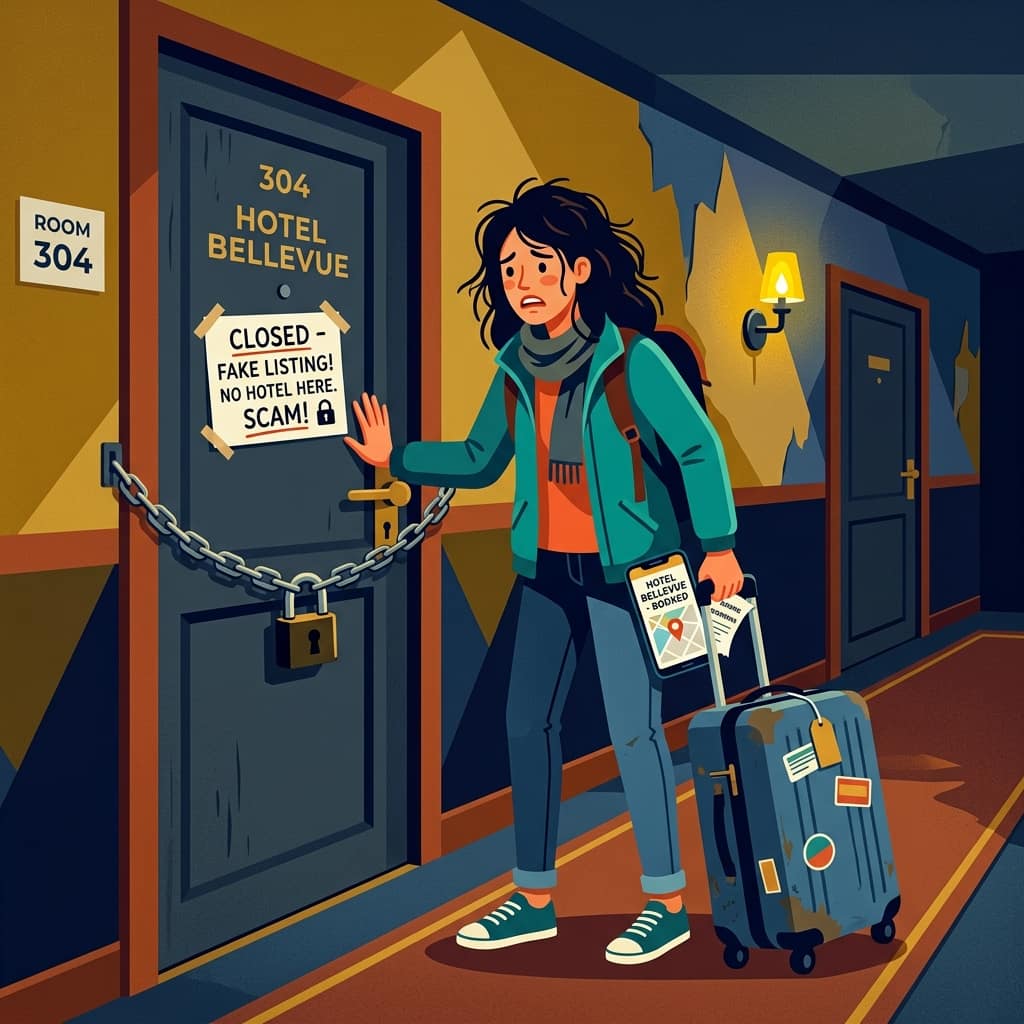
While this scam rarely involves massive sums of money, it is an incredibly common, highly effective micro-extortion tactic that specifically targets budget travelers, backpackers, and anyone with an early morning departure. In this guide, we will break down how the trap is set, how unscrupulous managers profit from it, and the tactics you can use to protect your cash.
How the Key Deposit Scam Works
The genius of the key deposit scam lies in its low stakes and reliance on the traveler's tight schedule. The amount stolen is usually just small enough that the victim won't cancel their flight to stay and fight, but large enough to provide a lucrative side income for corrupt staff.
The Initial Demand
The scam starts at check-in. The front desk staff insists on a cash-only deposit for the room key. They flatly refuse to place a hold on a credit card, citing "hotel policy" or claiming their credit card machine cannot authorize deposits. The fee requested is usually aggressively disproportionate to the actual cost of a key—often $20, $50, or even $100.
Pro Tip: A physical metal key costs about $2 to cut. A plastic RFID keycard costs a few cents. Any deposit request over $10 is purely a mechanism to hold your money hostage.
The Disappearing Act
The core of the scam is making it impossible for you to retrieve your money when you need to leave. If the hotel staff discovers you have an early flight, a crack-of-dawn bus, or a train to catch, the trap is sprung.
When you arrive at the front desk to check out, the reception area is deliberately unstaffed. The doors to the back office are locked. There is no bell to ring, or if there is, it goes unanswered. The staff is purposefully hiding until they know your transport has departed.
The Excuses
If you do manage to track down a staff member, they will utilize a barrage of excuses to delay or deny the return of your money. They might claim that only the manager has the key to the cash box, and the manager isn't arriving for another three hours. They might claim they don't have the right change and need to go to the bank. They rely entirely on your anxiety about missing your flight to force you into giving up the money.
Important: This scam is heavily prevalent in budget accommodations, party hostels, and independent guesthouses in tourist-heavy regions like Southeast Asia, parts of Europe, and Central America.
Recognizing the Red Flags
You can often spot a key deposit scam being set up the moment you arrive. Look out for these warning signs at the check-in desk.
1. Refusal to Use a Credit Card
Legitimate hotels are more than happy to place a pre-authorization hold on your credit card for incidentals or keys. If a hotel insists on physical cash for a deposit and refuses a card, they are planning to keep the money off the books.
2. Lack of a Written Receipt
When you hand over a cash deposit, a legitimate business will give you a numbered, stamped receipt explicitly stating the deposit amount. If the receptionist simply tosses your money in a drawer and waves you away, they are setting you up to deny the transaction ever occurred.
3. Highly Restrictive Desk Hours
Check the posted hours for the reception desk. If a hotel has strict check-out hours that begin late in the morning (e.g., 9:00 AM) and offers no clear procedure for early check-outs, they are banking on guests leaving before the desk opens.
Fascinating Fact: In some party hostels, the key deposit scam is run entirely by rogue employees without the owner's knowledge, pocketing hundreds of dollars of untaxed cash directly from departing guests every week.
How to Protect Your Cash
Defeating the key deposit scam requires preemptive action. Do not wait until your morning of departure to figure out how you are getting your money back.
1. Negotiate the Deposit
When asked for a cash deposit, push back. Offer to leave an alternative piece of collateral that holds no real value to them but is easy to replace for you, such as an expired student ID, a library card, or a photocopy of your passport.
Never, under any circumstances, leave your actual passport as collateral for a room key.
2. Demand a Clear, Signed Receipt
If you must pay the cash deposit, do not move from the desk until you receive a signed, dated receipt stating the exact amount paid. Take a photo of the receipt and the receptionist holding the cash. This visual evidence makes it much harder for them to claim you never paid.
3. Settle Up the Night Before
This is the single most effective way to defeat the scam. If you have an early morning departure, go to the front desk the evening before between 8:00 PM and 10:00 PM when the manager is likely on duty.
Tell them you are leaving early and want to check out now. Hand over the key, collect your cash deposit, and ask them to unlock your room door for the night. Explain that you will leave the door unlocked or pull it shut behind you when you leave at 4:00 AM. If they refuse, demand to speak to the manager immediately while you still have time to argue.
What to Do If You Are Trapped
If you are standing in an empty lobby at 5:00 AM and your deposit is locked in a drawer, you have limited options, but you should not go down without a fight.
1. Make Noise
Do not be overly polite. Bang on the back office door, ring the bell repeatedly, and call the hotel's phone number repeatedly. Often, the staff member is sleeping in a back room. A loud, persistent guest threatens to wake up paying customers, which is the last thing the staff wants.
2. Leave a Note and Take Evidence
If you absolutely must leave, write a clear note stating you are leaving without your deposit because the desk is unstaffed. Take a photo of the note, the abandoned key on the desk, and the empty reception area with a timestamp.
3. Leverage Reviews
While you likely won't get your $20 back, you can ensure the hotel pays for it. Leave detailed reviews on Google, TripAdvisor, Hostelworld, and Booking.com explicitly warning future travelers about the "key deposit theft." Sometimes, management will reach out and offer to refund the money via PayPal if you agree to take the review down.
Frequently Asked Questions (FAQs)
Can I dispute the charge with my booking platform? If you paid the deposit in cash, the booking platform (like Hostelworld or Booking.com) cannot refund it, as there is no digital record of the transaction. They can, however, penalize the property if you report the extortion.
Is it illegal for them to keep the deposit? Yes, retaining a security deposit without cause is a breach of contract and technically theft. However, local police are highly unlikely to intervene over a $30 dispute with a departing tourist.
Should I just keep the key if they won't give my money back? While tempting out of spite, keeping the key means you have technically stolen hotel property, which gives them a legitimate reason to have kept your deposit. It’s better to leave the key, take photos, and destroy their reputation online.
Do luxury hotels ask for key deposits? No. Luxury and mid-range hotels use electronic keycards and will simply put a pre-authorization hold on your credit card for any incidentals. Cash deposits are almost exclusively a budget accommodation tactic.
Get more practical guides like this
Follow the RSS feed or send Sahi.info to your WhatsApp circle so the practical guides keep moving.