The "Found Wallet" Setup: When Good Intentions Cost You
Traveling often brings out the best in people. We want to be good ambassadors for our home countries, help those in need, and act as good Samaritan...
The "Found Wallet" Setup: When Good Intentions Cost You
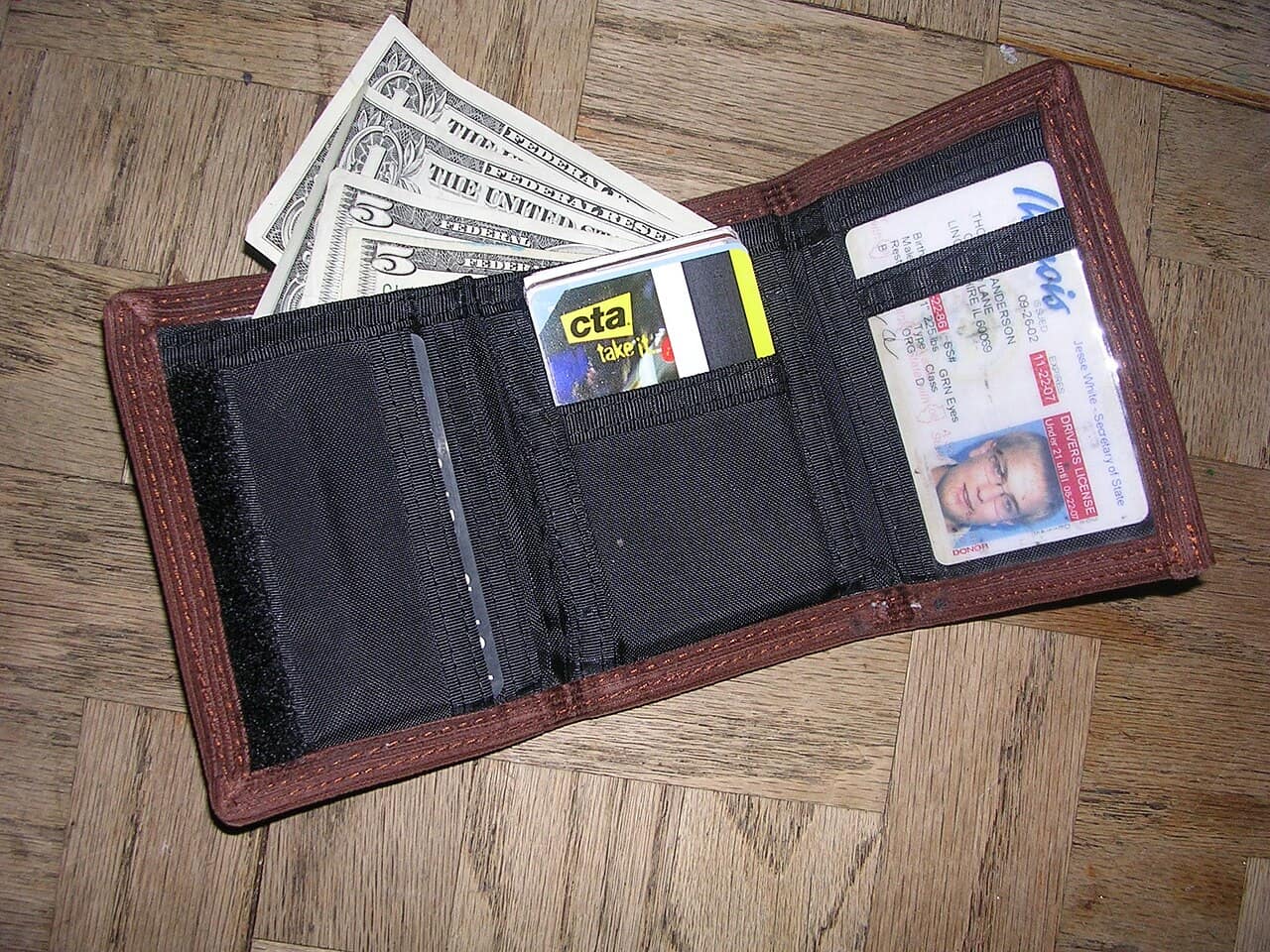
Traveling often brings out the best in people. We want to be good ambassadors for our home countries, help those in need, and act as good Samaritans when the opportunity arises. However, scammers are well aware of this human decency and have designed clever traps to weaponize your good intentions against you. One of the most insidious of these traps is the "Found Wallet" setup.
You're walking down a quiet street or perhaps through a bustling market, and you spot a thick wallet lying on the ground. A split second later, a friendly stranger points it out, or perhaps you reach for it at the exact same time. What seems like a chance encounter to do a good deed quickly spirals into an aggressive extortion racket designed to empty your pockets.
The Setup: How the Scam Unfolds
The Found Wallet scam is a calculated piece of street theater requiring multiple actors and a mark (you). It relies on confusion, guilt, and intimidation.
The Drop
An accomplice casually walks ahead of you and deliberately drops a wallet. They keep walking, pretending not to notice. Alternatively, the wallet is already placed on the ground in a strategic location where a scammer is waiting and watching.
The Good Samaritan Act
As you bend down to pick up the wallet to return it to the owner or hand it to the police, the primary scammer swoops in. They might claim they saw it first, or they might act as a fellow good Samaritan, suggesting you open the wallet together to find an ID. If you open it, you'll see it is stuffed with cash.
Fascinating Fact: Some variations of this scam involve two accomplices pretending to be police officers who swoop in to "investigate" the missing money, making the situation even more intimidating.
The Accusation and Extortion
Suddenly, the "owner" of the wallet (the accomplice who dropped it) comes running back, looking frantic. They snatch the wallet back, look inside, and loudly declare that money is missing. They accuse you and the other "Samaritan" of stealing their cash.
The "Samaritan" immediately acts defensive, emptying their pockets to prove their innocence, and pressures you to do the same. If you pull out your wallet to show your cash, they might snatch it or use sleight of hand to remove bills while "checking." Alternatively, the owner will aggressively demand you pay them the "missing" amount to avoid them calling the police. Surrounded, confused, and wanting to avoid a foreign legal disaster, many tourists simply hand over their cash to escape the situation.
The Psychology Behind the Trap
This scam is highly effective because it manipulates multiple psychological triggers in rapid succession. First, it plays on your civic duty to return lost property. Then, it hits you with the shock and embarrassment of being falsely accused of a crime. Finally, it leverages fear and intimidation. The scammers create a high-pressure environment where you feel trapped, making a financial payoff seem like the safest and fastest way out.
Where You're Most Vulnerable
This scam frequently occurs in areas where tourists are known to carry cash but are slightly isolated from dense crowds, making intimidation easier.
- Side streets near major monuments.
- Empty subway platforms or train corridors.
- Quiet parks or squares.
- Tourist-heavy shopping districts in cities across Europe and Asia.
Key Red Flags to Watch For
Recognizing the street theater before you become a part of it is crucial.
- The Staged Drop: If you clearly see someone drop a wallet but they ignore you when you call out to them, be very suspicious.
- The Immediate Companion: If another person instantly appears at your side the moment you notice the wallet, the trap is being sprung.
- The "Let's Share" Offer: In some variations, the scammer suggests splitting the found cash with you instead of finding the owner. Agreeing to this immediately makes you complicit and sets you up for the extortion.
How to Protect Yourself
The best way to win this game is simply not to play. Your good intentions are not worth the risk.
Ignore the Bait
If you see a wallet on the ground, especially in a heavily touristed area, the safest action is to keep walking. Do not touch it. Do not pick it up.
Pro Tip: If you see a wallet dropped in a busy tourist area, it's often safer to point it out to a nearby police officer or official guard rather than touching it yourself.
Let the Authorities Handle It
If you feel compelled to help, do not pick the wallet up. Instead, find a nearby shop owner, security guard, or police officer and tell them there is a dropped wallet at that location. Let them handle it.
Be Vocal and Attract Attention
If you do pick it up and are suddenly confronted by angry individuals accusing you of theft, do not engage in their logic. Do not open your own wallet. Do not empty your pockets.
Important: Never agree to move to a more secluded area to "sort out the misunderstanding." Always stay in public view.
Loudly state, "Let's go to the police station right now to resolve this." Scammers absolutely do not want police involvement. By loudly insisting on finding an officer and walking purposefully toward a crowded area, they will almost always abandon the scam and leave you alone.
What to Do If You're Confronted
- Do Not Pay: Never hand over money to make the situation go away. It will only embolden them.
- Create Distance: Step back and create physical space between yourself and the scammers.
- Be Loud: Attract the attention of passersby. Scammers rely on your embarrassment and desire to keep things quiet.
- Call the Police: Pull out your phone and dial the local emergency number. The scammers will likely flee immediately.
Frequently Asked Questions (FAQs)
What if the wallet really belongs to someone who needs it? While it's a tough moral dilemma, your safety comes first. Alerting authorities or pointing it out to a local shopkeeper ensures the wallet is handled without putting you at risk.
Can they legally force me to empty my pockets? No. Only law enforcement officers have the right to search you. Never give in to a stranger demanding to see your wallet or the contents of your pockets.
What if fake police officers get involved? If plainclothes individuals claim to be police and ask to search your wallet for "counterfeit bills" or stolen money, politely refuse and insist on walking to a uniformed officer or the nearest police station. Real police will not inspect your cash on the street.
Get more practical guides like this
Follow the RSS feed or send Sahi.info to your WhatsApp circle so the practical guides keep moving.