The Flirtatious Local Bar Scam: A Costly Night Out
Traveling solo or with a small group of friends offers the exciting prospect of meeting new people and experiencing the local nightlife. When an at...
The Flirtatious Local Bar Scam: A Costly Night Out
Traveling solo or with a small group of friends offers the exciting prospect of meeting new people and experiencing the local nightlife. When an attractive, charming local strikes up a conversation and suggests grabbing a drink at a "great little place nearby," it can feel like you've struck travel gold. You're getting off the beaten path and hanging out with a local!
Unfortunately, this thrilling scenario is often the opening act of the Flirtatious Local Bar Scam—a ruthless and highly organized extortion racket designed to drain your bank account and leave you feeling terrified and violated. Here is how the honeypot trap works, and how you can ensure your night out doesn't turn into a financial nightmare.
How the Honeypot Trap Works
This scam is a predatory bait-and-switch. It relies on charm, isolation, and ultimately, sheer physical intimidation.
The Charismatic Approach
The scam starts in a popular tourist area. An attractive, well-dressed local (or sometimes a pair of locals) will approach you. They might ask for directions to break the ice, compliment your outfit, or simply start a friendly chat about where you are from. They are charismatic, engaging, and specifically trained to make you feel comfortable and special.
The Casual Invitation
After building some quick rapport, they will suggest moving the conversation elsewhere. "Let's go to a great bar I know, it's just around the corner," or "I know a fantastic comedy club we should check out."
Pro Tip: Always insist on choosing the venue yourself if you decide to go out with someone you just met. If they aggressively push back against your choice, walk away.
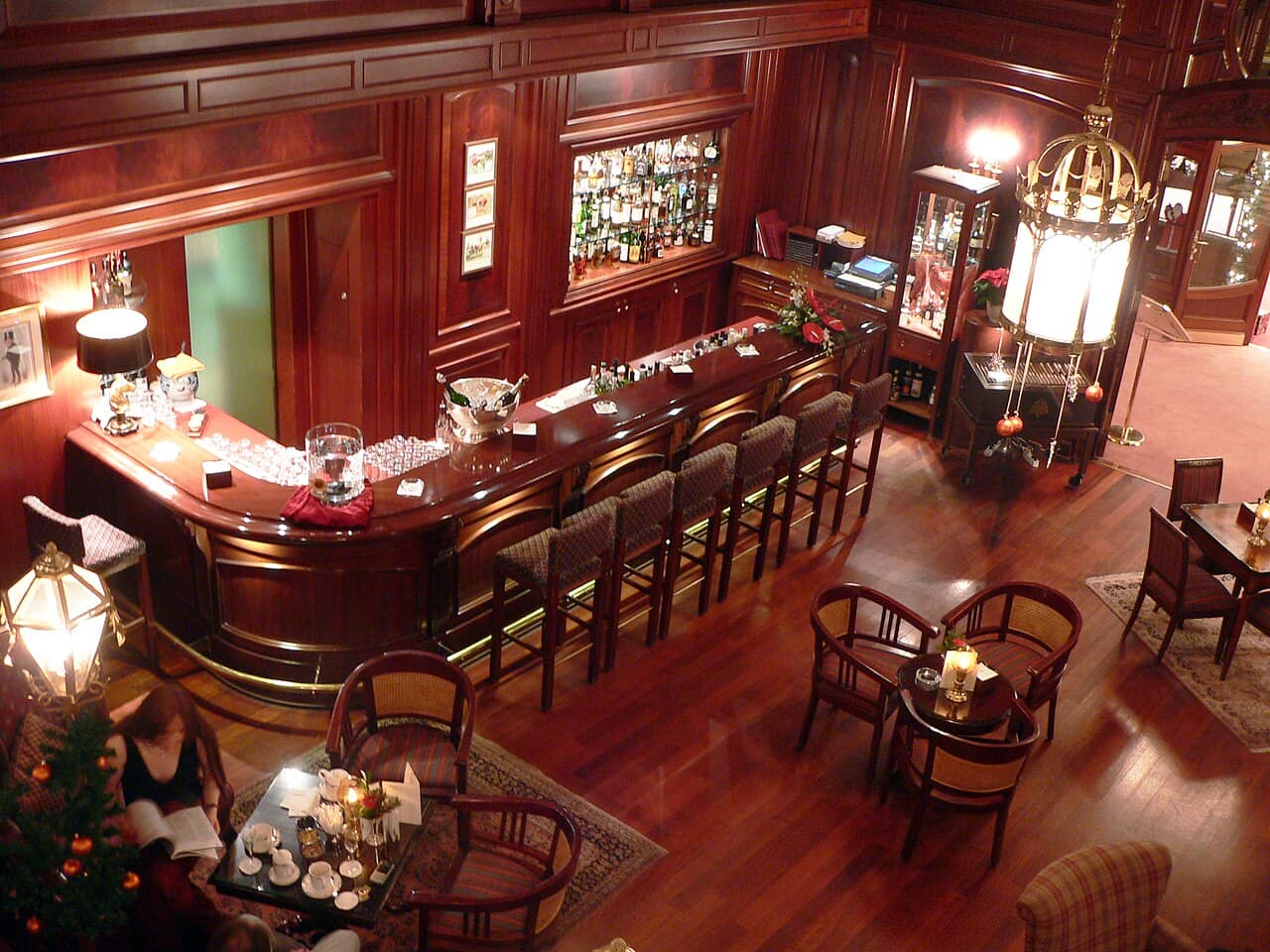
They will lead you through winding streets to a secluded, dimly lit bar or club that is usually completely empty except for a few staff members.
The Outrageous Bill
Once seated, the "local" will order drinks—often champagne or multiple rounds of shots—without looking at a menu. You might order a simple beer. After a while, your companion will excuse themselves to go to the restroom or step outside for a phone call. They never return.
Moments later, the waiter drops the bill on your table. You glance at it expecting a $30 tab, only to realize it is for $1,500, $3,000, or even more. The "drinks" your companion ordered were astronomically priced.
Fascinating Fact: Some variations of this scam involve "tea ceremonies" in parts of Asia (like China), where the astronomical bill is for a brief tea tasting rather than alcohol.
The Intimidation Tactics
When you naturally protest the bill and refuse to pay, the atmosphere changes instantly. The exits are blocked by large, imposing bouncers. The management may threaten to call the police, claiming you are trying to steal from them, or they may simply threaten physical violence. They will often march you to a nearby ATM or force you to swipe your credit card, holding you captive until the exorbitant sum is paid.
The Psychology of the Scam
The scam works by exploiting a traveler's desire for romance, friendship, and authentic local experiences. The initial interaction lowers your defenses through flattery. By leading you to a secluded venue, they physically isolate you from help. The sudden switch from a romantic or friendly evening to a high-threat extortion scenario causes extreme shock and panic, making victims more likely to pay just to escape safely.
Hotspots for the Bar Scam
While it can happen in many major cities, this scam is famously prevalent in:
- Istanbul, Turkey: Often involving friendly men inviting solo male travelers for drinks.
- Athens, Greece: Targeting tourists near the Plaka district.
- Shanghai and Beijing, China: Usually manifesting as the "Teahouse Scam."
- Tokyo, Japan: Particularly in nightlife districts like Roppongi and Kabukicho, often known as "bottakai" (rip-off bars).
Red Flags to Look Out For
- Too Good to Be True: An incredibly attractive local approaching you out of nowhere and immediately suggesting a secondary location is a massive red flag.
- Refusing Alternatives: If you suggest a busy, well-known bar nearby and they flatly refuse, insisting on their specific, hidden spot, they are leading you into a trap.
- No Menus or Prices: Sitting down in a venue where you are not offered a menu with clearly marked prices is a recipe for disaster.
- Over-Ordering: If your new "friend" starts ordering bottles of champagne or expensive-looking drinks rapidly, the tab is being run up on purpose.
How to Protect Yourself
You don't have to be paranoid and reject all social interaction, but you must establish boundaries.
Choose Your Own Venues
If you meet someone and want to have a drink, use your phone to find a highly-rated, busy bar in a well-lit area. Say, "I'd love to grab a drink, let's go to [Name of Bar]." If they refuse to go anywhere but their suggested spot, walk away.
Check Reviews Independently
If they suggest a specific place, take 10 seconds to search the name on Google Maps or TripAdvisor before agreeing. Scam bars often have terrible reviews warning of the exact extortion you are about to face, or they won't appear on maps at all.
Monitor the Menu and Drinks
Always ask for a menu with prices before ordering anything. Pay for each round of drinks as it arrives rather than running a tab. This prevents surprise charges at the end of the night.
What to Do If You're Caught in the Trap
If you find yourself presented with an impossible bill and surrounded by bouncers:
- Prioritize Physical Safety: Money can be replaced; your health cannot.
Important: If you're hit with an astronomical bill surrounded by bouncers, your physical safety is the priority. Pay what you must to leave safely, and report it to the tourist police immediately after.
- Haggle if Possible: Sometimes, calmly stating that you simply do not have that much money and offering a lower (though still inflated) amount in cash can get you out the door.
- Use a Credit Card: If forced to pay, use a credit card rather than cash or a debit card. Once you are safe, you can contact your credit card company to report the extortion and initiate a chargeback.
- Go to the Police: As soon as you are safely away from the venue, go directly to the tourist police. While they may not be able to get your money back immediately, reporting the bar is crucial.
Frequently Asked Questions (FAQs)
Can the police help me get my money back? It is difficult. The bar owners often claim you consumed the expensive drinks and present a menu (which was hidden earlier) to the police showing the prices. However, consistent police reports can eventually shut these venues down.
Should I fight the bouncers? Absolutely not. These are organized criminal enterprises. Fighting will likely result in severe physical injury and you will still be robbed.
Will my credit card company refund the fraudulent charge? Often, yes. If you explain that you were held under duress and forced to sign the receipt, many major credit card companies will investigate and perform a chargeback, especially if you have a police report to back up your claim.
Get more practical guides like this
Follow the RSS feed or send Sahi.info to your WhatsApp circle so the practical guides keep moving.