The "Dropped Ring" Scam: A Fool's Gold Hustle
Paris is the City of Light, Rome is the Eternal City, and unfortunately, both are renowned arenas for one of the oldest and most theatrical street ...
The "Dropped Ring" Scam: A Fool's Gold Hustle
Paris is the City of Light, Rome is the Eternal City, and unfortunately, both are renowned arenas for one of the oldest and most theatrical street cons in existence: the "Dropped Ring" scam. It plays out like a scene from a movie, relying on a tourist's greed, confusion, and misplaced sense of honesty.
While it sounds completely unbelievable on paper, in the heat of the moment, the psychological pressure of this hustle has tricked thousands of travelers out of their hard-earned spending money.
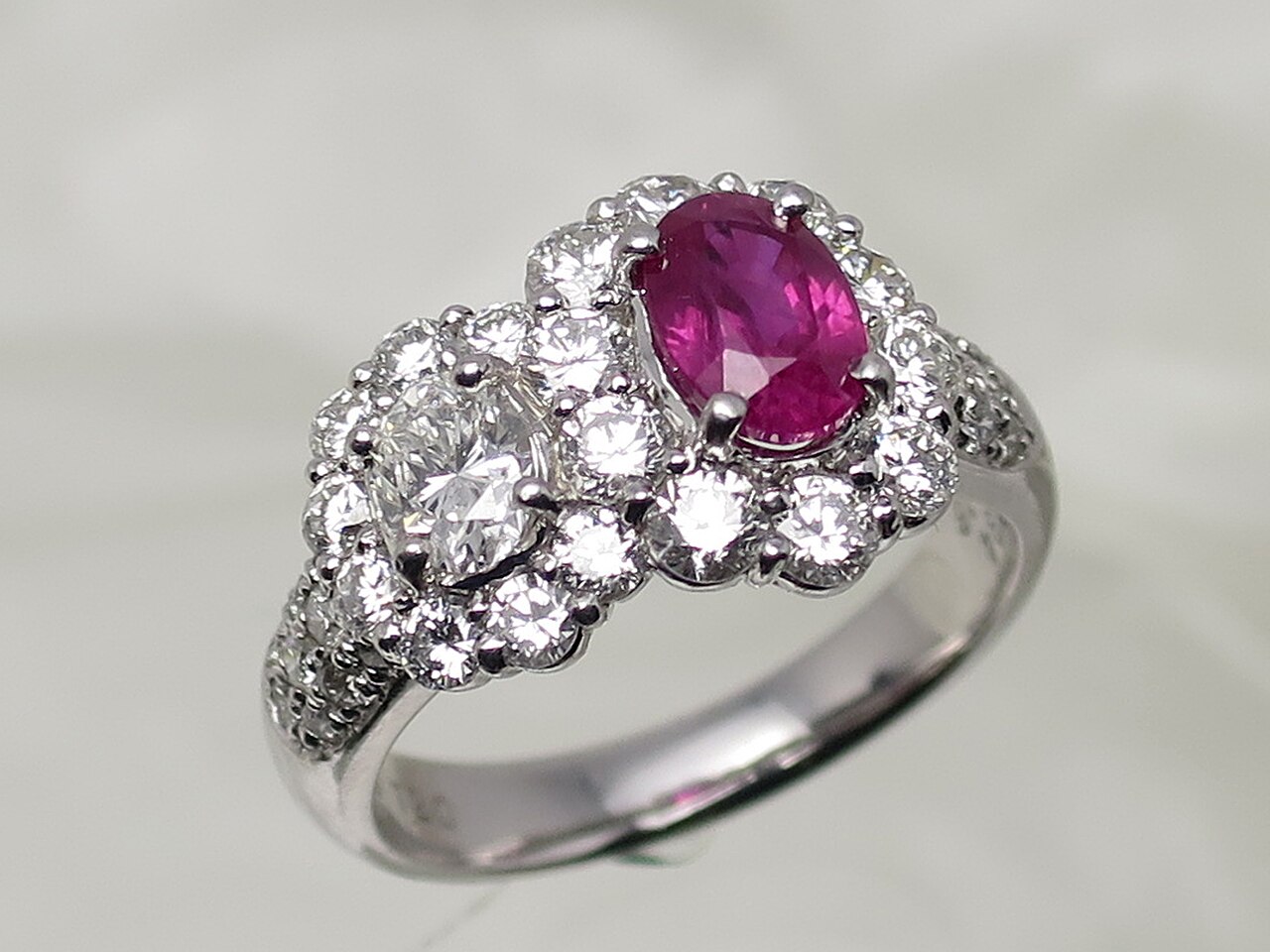
The Setup: Finding the "Treasure"
You are walking along the Seine in Paris or crossing a picturesque bridge. Ahead of you, a person (often an older individual, or sometimes a young woman) suddenly stoops down to pick something up from the ground right in your path.
They turn to you, holding up a thick, gleaming gold ring, and ask, "Did you drop this?"
When you honestly reply that it isn't yours, the scammer pretends to examine the ring closely. They will excitedly point out a hallmark or engraving on the inside, exclaiming that it is genuine 18-karat gold and must be incredibly valuable.
Important: The ring is absolutely worthless. It is made of cheap brass or polished copper, bought in bulk by scammers for pennies.
The Hook: Pushing the Ring on You
After establishing that the ring is supposedly valuable, the scammer initiates the hook. They will offer the ring to you. Their excuses vary wildly but are delivered with excellent acting:
- "I cannot keep this; my religion forbids me from wearing gold."
- "I am poor and don't know where to sell this. You look wealthy, you take it."
- "It is a lucky omen for you! Keep it as a gift."
They will physically press the ring into your hand, refusing to take it back. At this point, many tourists feel a mix of confusion and a thrill that they have just stumbled upon a valuable piece of jewelry for free.
The Sting: Demanding a Reward
Once you have accepted the ring, the trap springs shut. As you turn to walk away, the scammer’s attitude shifts. They will suddenly remember their "poverty" and ask for a small reward for their honesty in giving you the ring.
"Just a little money for coffee," they might say, or "A few euros for my hungry children."
If you offer them a small coin, they will act deeply offended. They will point out that they just gave you a "solid gold" ring worth hundreds of euros, and demand €20, €50, or even €100 in return. Because you are holding what you believe to be a valuable item, and because they are making a public scene, you might feel pressured into handing over paper cash just to resolve the conflict.
Why This Scam Has Endured
The Dropped Ring scam is a classic confidence trick that preys on a subtle form of greed. Deep down, the victim believes they are getting the better end of the deal. They think they are trading €20 for a ring worth €500. By the time they take it to a jeweler and discover it's worthless brass, the scammer is long gone, repeating the trick on the next bridge.
Fascinating Fact: This scam is centuries old! Variations of the "found valuable item" trick have been documented in cities like London and Paris dating back to the 1800s.
How to Identify the Con
The setup is always identical. A stranger finding an item directly in your path and immediately trying to give it to you is never a genuine interaction. Furthermore, a real person who found a valuable item would either keep it for themselves or turn it into the police—they would not aggressively force it upon a passing tourist.
What to Do When Approached
The best defense is an absolute refusal to engage.
- Do Not Stop: When they pick up the ring and ask if it’s yours, say a loud, firm "No" without breaking your stride.
- Keep Your Hands to Yourself: Do not reach out to examine the ring. If you don't touch it, they can't force you into the psychological contract of "buying" it.
- Drop It: If they manage to press the ring into your hand, simply drop it on the ground and keep walking. Do not argue with them.
- Laugh and Walk Away: Scammers rely on your confusion. If you confidently say, "I know this scam, nice try," they will immediately realize you are a hard target and will quickly move on to someone else.
Frequently Asked Questions (FAQs)
Q: Are there variations of this scam? A: Yes. Sometimes the scammer will skip the "Did you drop this?" phase and just tell you they found it and want to sell it to you cheap. Another variation involves dropping a cheap leather jacket or a "designer" watch.
Q: Should I alert the police if I see this happening? A: If you see police nearby, you can point out the scammer. However, by the time police arrive, the scammers usually vanish into the crowd.
Q: What if I already paid them? A: Unfortunately, the money is gone. Consider it a relatively inexpensive lesson in street smarts. Do not try to track them down yourself, as they often work in groups and confrontation can escalate to violence.
Get more practical guides like this
Follow the RSS feed or send Sahi.info to your WhatsApp circle so the practical guides keep moving.