The "Double Swipe" Scam: Protecting Your Credit Card Abroad
Using a credit card while traveling is undeniably convenient. It saves you from carrying thick wads of cash and often provides favorable exchange r...
The "Double Swipe" Scam: Protecting Your Credit Card Abroad
Using a credit card while traveling is undeniably convenient. It saves you from carrying thick wads of cash and often provides favorable exchange rates. However, every time you hand your card over to a waiter, bartender, or cashier, you expose yourself to one of the most pervasive forms of financial fraud: the "Double Swipe" scam.
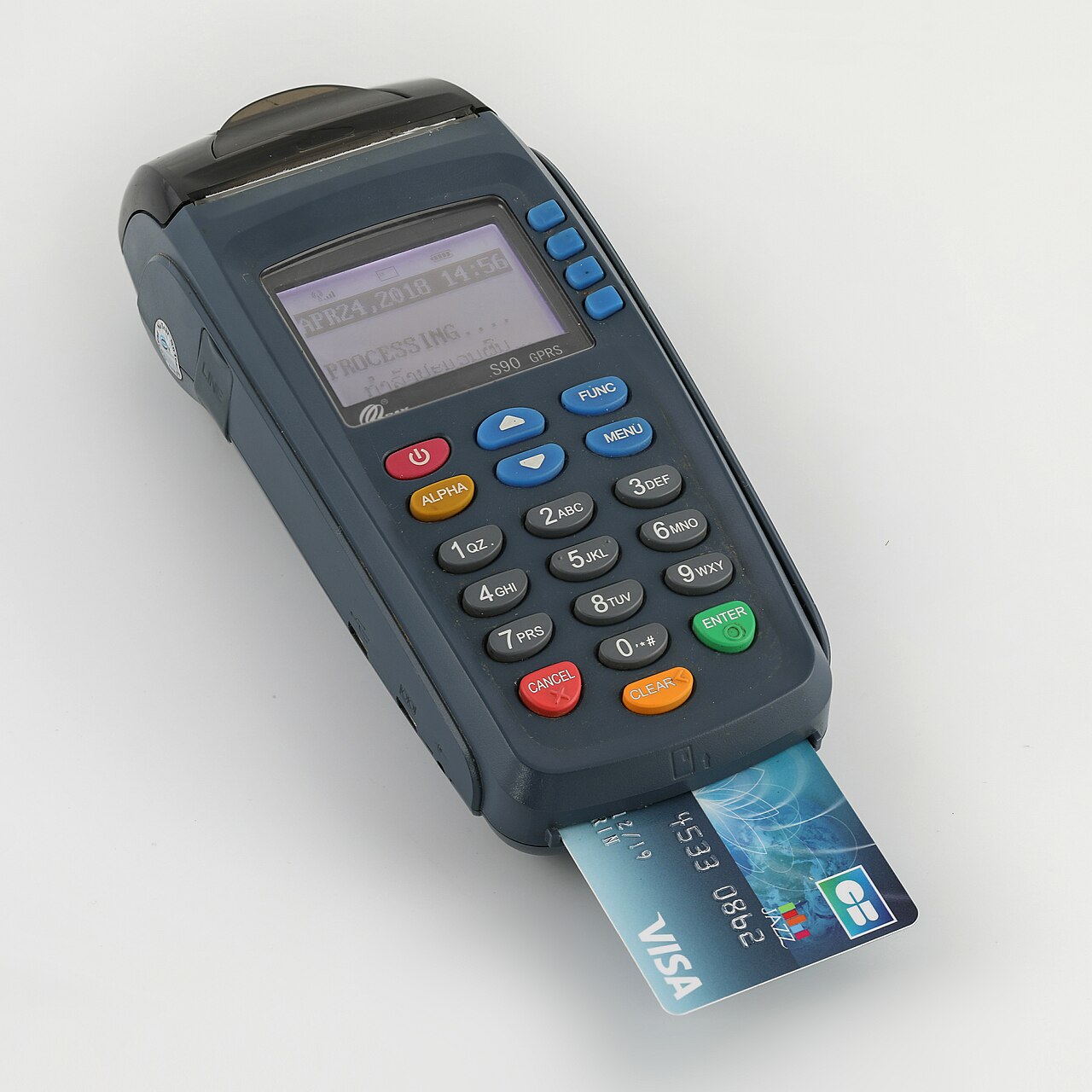
While chip-and-PIN and contactless payments have made credit card fraud more difficult, the double swipe remains a significant threat, especially in regions where older magnetic stripe technology is still in use or where cards are routinely taken out of the customer's sight.
Here is exactly how the double swipe scam works and the simple steps you can take to keep your financial data safe.
How the Double Swipe Works
The scam is remarkably simple and takes only a few seconds to execute. It usually happens in busy restaurants, bars, or small retail shops where you are distracted or where it is customary for the staff to take your card away to process the payment.
- The Legitimate Transaction: The waiter or cashier takes your credit card and swipes it through the legitimate Point of Sale (POS) terminal to pay your actual bill.
- The Malicious Swipe: While out of your sight (or hidden behind the counter), they quickly swipe your card a second time through a small, hidden device known as a "skimmer."
- The Data Theft: The skimmer reads and stores the data encoded on your card's magnetic stripe—including your name, card number, and expiration date.
- The Clone: Later, the scammers connect the skimmer to a computer, download the stolen data, and use it to program blank magnetic stripe cards. They now have a functional clone of your credit card.
Important: The double swipe scam doesn't charge you twice for your meal; it steals your card data so the scammers can make massive, unauthorized purchases later, often weeks after you have returned home.
The Danger of Letting Your Card Out of Sight
In many countries, it is perfectly normal for a waiter to take your credit card, walk away to a back room, and return a few minutes later with a receipt to sign. This cultural norm is a scammer's best friend.
When your card is out of your sight, you have no way of knowing if it is being swiped through a skimmer, if someone is copying down the three-digit CVV code on the back, or if it is being photographed.
Pro Tip: Never let your credit card out of your line of sight. If a restaurant does not have a portable card reader to bring to your table, physically walk up to the register with the waiter to pay your bill.
How to Protect Yourself from the Double Swipe
Protecting your financial data requires vigilance and utilizing modern payment technologies.
1. Tap to Pay (Contactless)
The absolute best defense against the double swipe is to use contactless payments (NFC), such as Apple Pay, Google Wallet, or tapping your physical card. Contactless transactions generate a unique, one-time security code for that specific purchase. Even if a scammer somehow intercepted the tap data, they cannot use it to create a cloned card.
2. Insert the Chip, Don't Swipe
EMV chips were designed specifically to defeat magnetic stripe cloning. When you insert your chip, a unique transaction code is created. If a vendor insists on swiping the magnetic stripe instead of inserting the chip (claiming the chip reader is "broken"), be highly suspicious. Offer to pay in cash instead.
3. Cover Your CVV
Even if they don't have a skimmer, a scammer only needs your card number, expiration date, and the CVV code on the back to make fraudulent online purchases. Consider placing a small piece of opaque tape over the CVV code on your physical cards. You have it memorized, but a waiter taking a quick glance won't be able to see it.
4. Set Up Transaction Alerts
Use your banking app to set up real-time push notifications for every transaction made on your card. If your card data is compromised and a scammer tries to use it, you will be notified instantly and can lock the card before further damage is done.
Fascinating Fact: Skimmers can hold data from thousands of credit cards at once. Scammers often sell these bulk lists of stolen card numbers on the dark web rather than using them directly themselves.
Frequently Asked Questions (FAQs)
What should I do if I suspect my card was double-swiped?
If you saw the vendor swipe your card through a second, suspicious device, demand your card back immediately, pay in cash if possible, and leave. Immediately open your banking app and "lock" or "freeze" your card. Then, call your bank to report the compromise and request a replacement card.
Am I liable for the fraudulent charges?
If you are using a standard credit card (not a debit card), you are generally protected by zero-liability policies. As long as you report the fraud promptly, your credit card issuer will refund the stolen money. Debit cards offer significantly less protection, which is why you should avoid using them for daily purchases abroad.
Can chip cards be skimmed?
While it is technically much harder to clone an EMV chip than a magnetic stripe, scammers are developing "shimmers"—paper-thin devices inserted into the actual chip slot of compromised card readers. However, the classic "double swipe" relies entirely on the magnetic stripe.
Why do European restaurants always bring the machine to the table?
In Europe and many other parts of the world, "Chip and PIN" has been the standard for decades. Because customers must enter a PIN to authorize the transaction, it forced the industry to adopt portable card terminals. This practice is inherently safer and significantly reduces the risk of double swiping.
FAQ
What should I do if I suspect my card was doubleswiped?
If you saw the vendor swipe your card through a second, suspicious device, demand your card back immediately, pay in cash if possible, and leave. Immediately open your banking app and "lock" or "freeze" your card. Then, call your bank to report the compromise and request a replacement card.
Am I liable for the fraudulent charges?
If you are using a standard credit card (not a debit card), you are generally protected by zeroliability policies. As long as you report the fraud promptly, your credit card issuer will refund the stolen money. Debit cards offer significantly less protection, which is why you should avoid using them for daily purchases abroad.
Can chip cards be skimmed?
While it is technically much harder to clone an EMV chip than a magnetic stripe, scammers are developing "shimmers"—paperthin devices inserted into the actual chip slot of compromised card readers. However, the classic "double swipe" relies entirely on the magnetic stripe.
Why do European restaurants always bring the machine to the table?
In Europe and many other parts of the world, "Chip and PIN" has been the standard for decades. Because customers must enter a PIN to authorize the transaction, it forced the industry to adopt portable card terminals. This practice is inherently safer and significantly reduces the risk of double swiping.
Get more practical guides like this
Follow the RSS feed or send Sahi.info to your WhatsApp circle so the practical guides keep moving.