The "Closed for Lunch" Gem Scam: A Classic Tourist Trap
Imagine this: You’re walking toward the Grand Palace in Bangkok, or perhaps an iconic temple in another Southeast Asian capital. Suddenly, a friend...
The "Closed for Lunch" Gem Scam: A Classic Tourist Trap
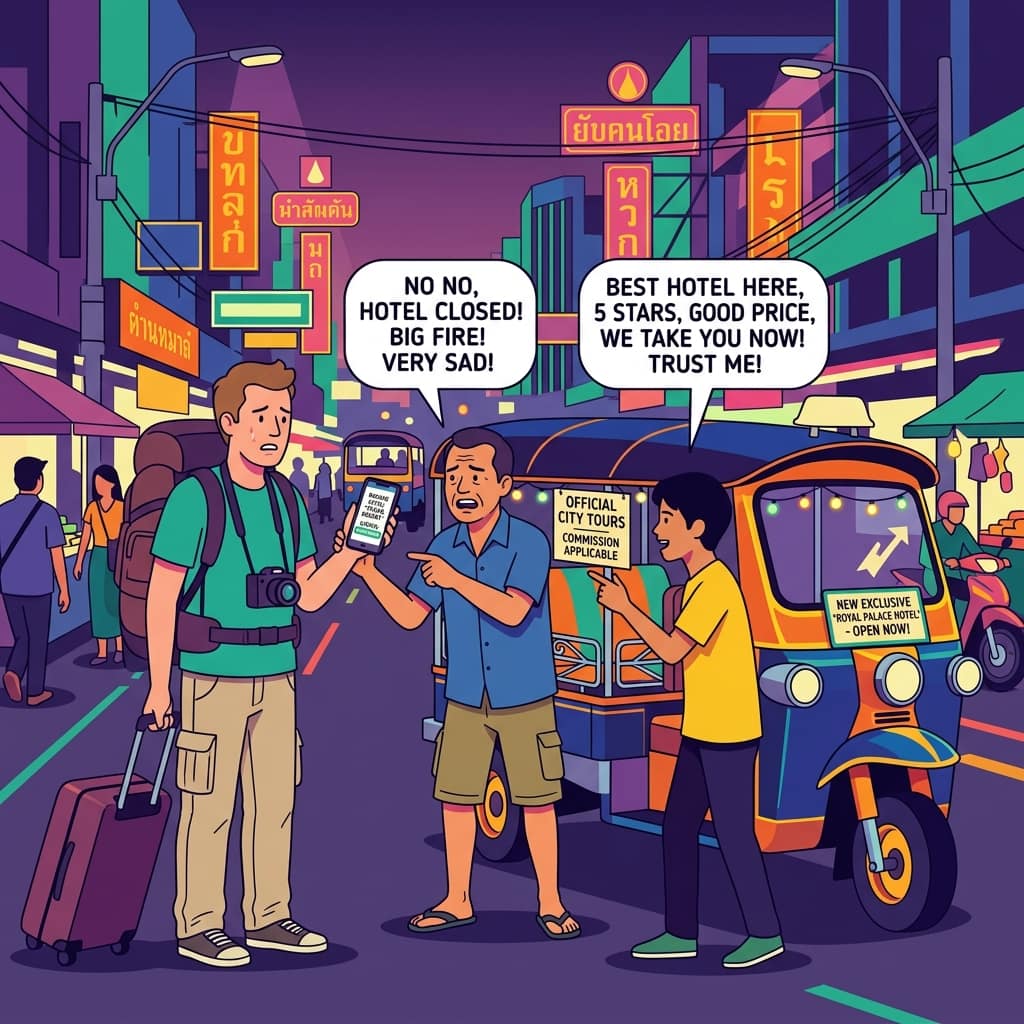
Imagine this: You’re walking toward the Grand Palace in Bangkok, or perhaps an iconic temple in another Southeast Asian capital. Suddenly, a friendly, well-dressed local approaches you. They speak excellent English, ask where you are from, and inform you with a sympathetic smile that the attraction you're heading to is currently "closed for lunch" or a special Buddhist holiday.
But don't worry! This friendly stranger has an alternative plan for you, which just happens to involve an exclusive, one-day-only government gem sale.
This is the famous "Closed for Lunch" Gem Scam, a highly orchestrated confidence trick that has defrauded thousands of tourists out of significant amounts of money. It relies on charm, authority, and the universal desire for a good bargain. Here’s how the scam operates and how you can avoid falling into this expensive trap.
The Anatomy of the Scam
The "Closed for Lunch" scam is not a spontaneous crime; it is a meticulously planned theatrical performance involving multiple actors. It usually unfolds in several distinct stages.
1. The Approach and The Lie
The scammer intercepts you near a major tourist attraction. They project authority and friendliness, sometimes even posing as an off-duty teacher, student, or government official to gain your trust. They will confidently state that the site is closed for cleaning, prayer, or lunch. Since you don't know the local schedules, the lie seems plausible.
Pro Tip: Major tourist attractions almost never close for lunch. If someone tells you a world-famous site is closed in the middle of the day, ignore them and walk straight to the official ticket booth to check for yourself.
2. The Helpful Alternative
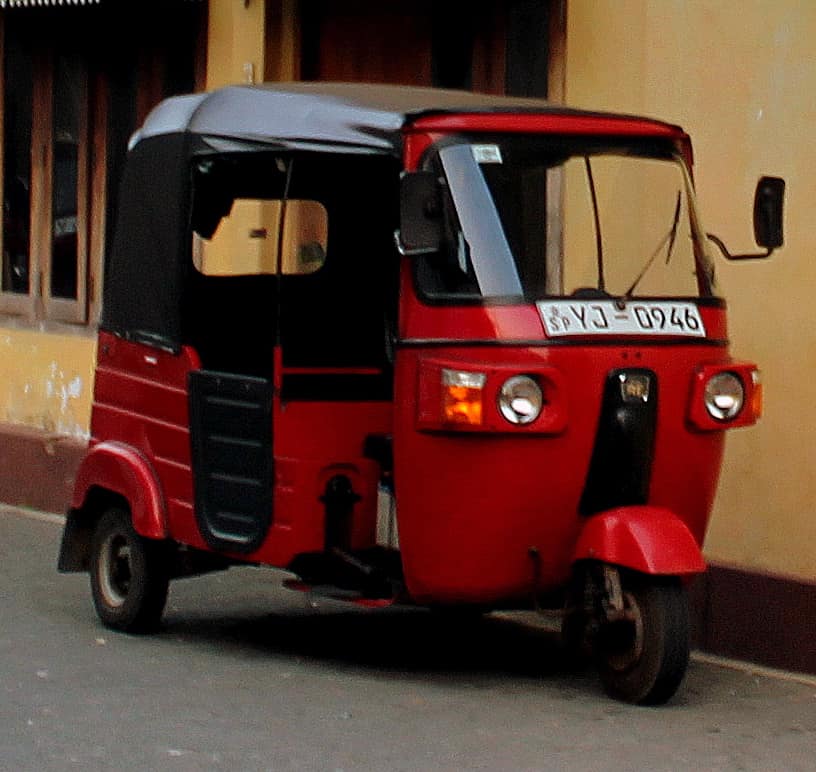
Having "saved" you from wasting your time at a closed temple, the scammer kindly offers an alternative itinerary. They will flag down a waiting tuk-tuk (whose driver is in on the scam) and instruct them to take you on a cheap or free tour of lesser-known temples.
3. The Seed is Planted
During your tuk-tuk ride, the driver will make a "quick stop" at a tailor or a gem shop. Along the way, you will mysteriously bump into another "tourist" or a "businessman" (more actors in the scam). This person will casually mention that today is a special government-sponsored tax-free day for exporting gems, and they just bought high-quality sapphires to sell back home for a massive profit.
4. The High-Pressure Sale
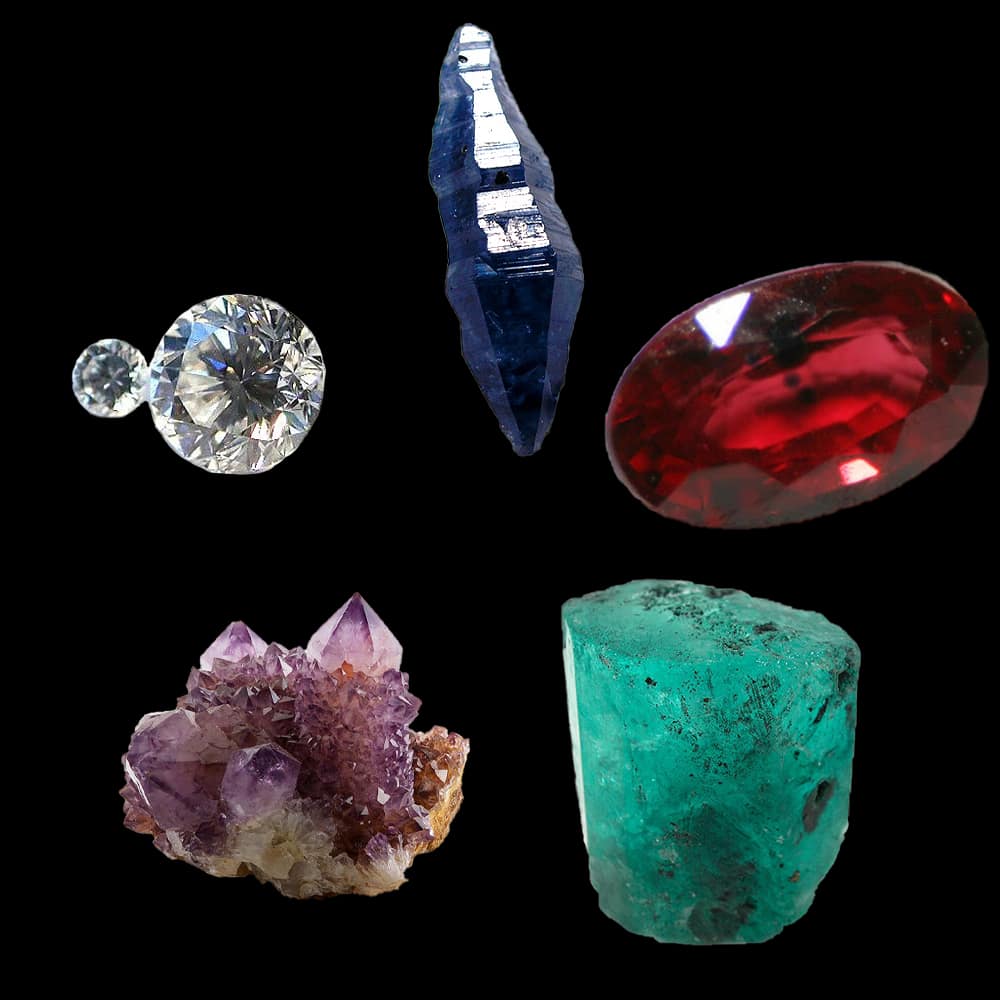
You arrive at the gem store, which looks professional and legitimate. You are seated, offered drinks, and given a slick presentation. The salespeople assure you that you can buy these gems tax-free today and resell them in your home country for double or triple the price. They might even show you fake certificates of authenticity.
Important: The gems sold in these shops are either worthless colored glass, extremely low-grade stones, or synthetic knock-offs. You are paying thousands of dollars for items worth literally pennies.
5. The Aftermath
Once you make the purchase, the scammers will offer to ship the gems directly to your home address to "avoid customs hassles." By the time you return home and have the jewelry appraised, the shop has disappeared, the scammers have moved on, and your money is long gone.
How to Protect Yourself
The best way to avoid the "Closed for Lunch" gem scam is to recognize the red flags before the trap closes around you.
- Ignore Unsolicited Information: Be highly skeptical of anyone who approaches you on the street to tell you an attraction is closed. Always verify operating hours directly at the main entrance or official ticket office.
- Beware of Unsolicited Guides: If a stranger is overly invested in planning your day, arranging your transport, or directing you to specific shops, they are earning a commission (or worse) at your expense.
- Never Buy Gems on a Whim: Unless you are a certified gemologist with your own testing equipment, you should never buy precious stones while on vacation. There is no such thing as a secret, one-day-only, government-sponsored tax-free gem sale.
Fascinating Fact: This scam is so prevalent in Bangkok that the Thai government has set up special tourist police task forces specifically to crack down on the gem store rings, yet they continuously pop back up under new names.
What to Do If You've Been Scammed
If you realize you've been scammed while still in the country, act quickly:
- Contact the Tourist Police: Do not go to the regular local police, as they may be indifferent (or sometimes even paid off by the scammers). Seek out the dedicated Tourist Police.
- Contact Your Credit Card Company: If you paid by credit card, call your bank immediately to report the fraud and initiate a chargeback.
- Do Not Confront the Scammers Alone: These syndicates can be aggressive or dangerous when confronted. Let the authorities handle the dispute.
Frequently Asked Questions (FAQs)
Are the tuk-tuk drivers really in on it?
Yes, absolutely. The tuk-tuk driver is a crucial part of the scam. They receive fuel vouchers, cash commissions, and kickbacks from the gem shops just for bringing tourists through the door, regardless of whether you actually buy anything.
Why do the certificates of authenticity look so real?
Scammers invest heavily in making their operation look legitimate. They print high-quality fake certificates, create elaborate websites, and design professional storefronts. A piece of paper means nothing if the organization issuing it is fraudulent.
Does this scam only happen in Thailand?
While the "Closed for Lunch" gem scam is most famously associated with Bangkok, variations of this bait-and-switch scam exist globally. In China, it might be an art exhibition; in India, a carpet emporium; and in Morocco, a leather tannery. The mechanics are always the same.
What if I genuinely want to buy local jewelry?
If you want to buy jewelry as a souvenir, do your research beforehand. Find reputable, long-standing jewelers with verified online reviews. Understand that you are buying a keepsake, not a "high-yield investment" to resell back home.
FAQ
Are the tuktuk drivers really in on it?
Yes, absolutely. The tuktuk driver is a crucial part of the scam. They receive fuel vouchers, cash commissions, and kickbacks from the gem shops just for bringing tourists through the door, regardless of whether you actually buy anything.
Why do the certificates of authenticity look so real?
Scammers invest heavily in making their operation look legitimate. They print highquality fake certificates, create elaborate websites, and design professional storefronts. A piece of paper means nothing if the organization issuing it is fraudulent.
Does this scam only happen in Thailand?
While the "Closed for Lunch" gem scam is most famously associated with Bangkok, variations of this baitandswitch scam exist globally. In China, it might be an art exhibition; in India, a carpet emporium; and in Morocco, a leather tannery. The mechanics are always the same.
What if I genuinely want to buy local jewelry?
If you want to buy jewelry as a souvenir, do your research beforehand. Find reputable, longstanding jewelers with verified online reviews. Understand that you are buying a keepsake, not a "highyield investment" to resell back home.
Get more practical guides like this
Follow the RSS feed or send Sahi.info to your WhatsApp circle so the practical guides keep moving.