The Bait-and-Switch Vacation Rental: How to Avoid a Booking Nightmare
You’ve finally booked the perfect vacation rental. The photos show a sun-drenched balcony, modern amenities, and a prime location right in the hear...
The Bait-and-Switch Vacation Rental: How to Avoid a Booking Nightmare
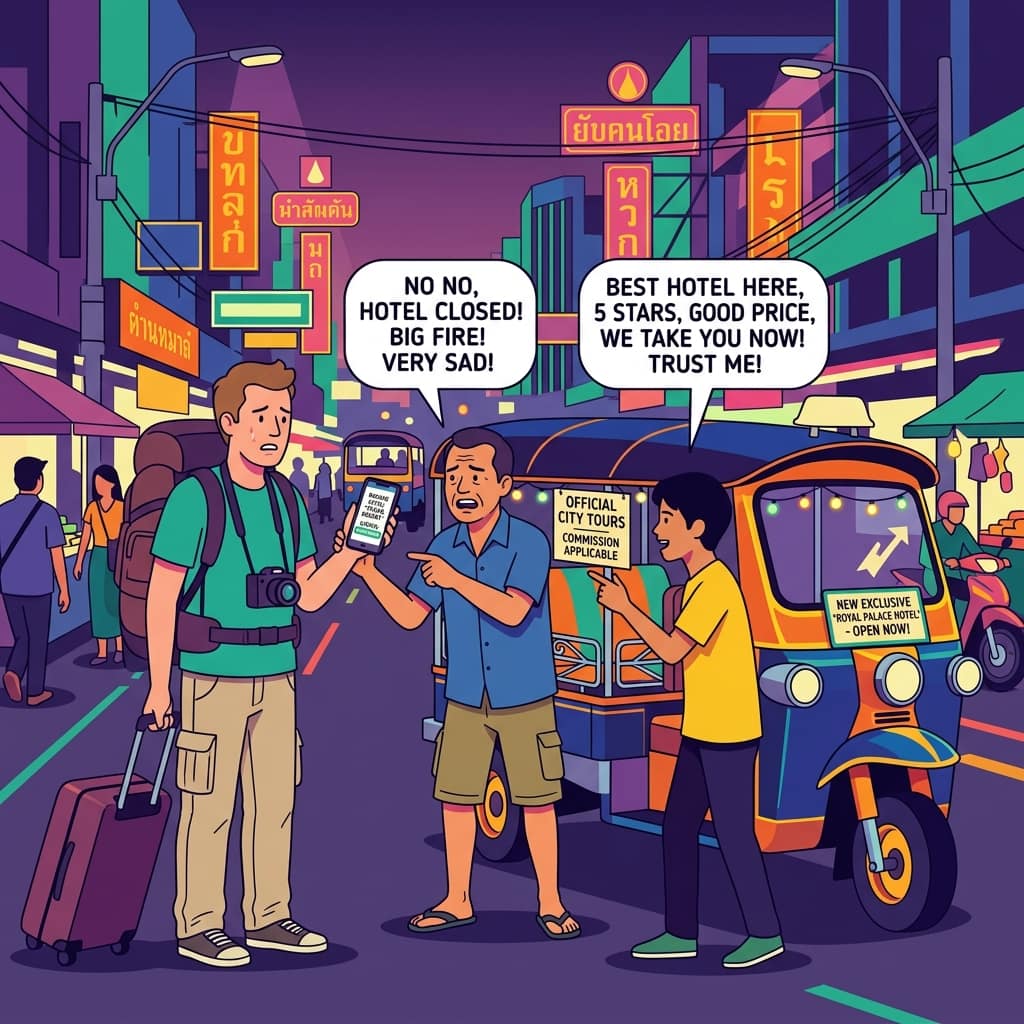
You’ve finally booked the perfect vacation rental. The photos show a sun-drenched balcony, modern amenities, and a prime location right in the heart of the city. But when you arrive, exhausted from your journey, your phone buzzes. The host tells you there’s an "emergency"—perhaps a burst pipe, a double booking, or some unexpected maintenance issue—and they have to move you to a different property. You agree, only to find yourself in a dark, dingy apartment miles away from the city center, completely unlike the stunning home you originally paid for. Welcome to the Bait-and-Switch Vacation Rental scam.

This scam has ruined countless holidays and left travelers feeling helpless, cheated, and stranded in unfamiliar surroundings. In this comprehensive guide, we will dive deep into how this scam operates, the red flags to watch out for, and actionable steps you can take to protect yourself and your hard-earned vacation money.
How the Bait-and-Switch Scam Works
The premise of the bait-and-switch scam is devastatingly simple. Scammers list a gorgeous property at an unbeatable price to hook eager travelers. Once the booking is confirmed and paid for, the trap is set.
The Setup
Scammers often steal photos from real estate listings, lifestyle blogs, or high-end hotels to create a fake but highly appealing profile on platforms like Airbnb, Vrbo, Booking.com, or local rental sites. They set a price that is slightly below market value—just enough to seem like a great deal, but not so low that it immediately screams "fake." They might even craft elaborate descriptions, promising luxury amenities and perfect locations.
Pro Tip: If a property looks too good to be true for the price, it usually is. Always reverse-image search the listing photos to see if they appear on other websites or stock photo galleries.
The "Emergency"
The scam typically unfolds on the day of your arrival or just hours before check-in. The host will contact you with a highly apologetic message claiming the original property is suddenly unavailable. Excuses range from plumbing disasters and electrical failures to previous guests refusing to leave, or sudden local government regulations. The timing is deliberate: they want to catch you when you are most vulnerable, tired, and desperate for a place to sleep.
The Switch
To "make it right," the host will generously offer you an alternative property. Since you are already en route or standing on the street with your heavy luggage in a foreign city, you feel pressured to accept. The new property, however, is invariably a massive downgrade—poorly maintained, unsafe, unhygienic, or located in an undesirable and inconvenient neighborhood.
Important: Never agree to move to an alternative property off the platform. Scammers do this to bypass the booking platform's refund and cancellation policies, leaving you with no recourse.
Recognizing the Red Flags
While booking platforms work hard to weed out scammers, fraudulent listings still slip through the cracks. Knowing the red flags can save you from falling victim to a bait-and-switch.
1. The Host Pushes for Off-Platform Communication
If a host immediately asks to move your conversation to WhatsApp, email, SMS, or another messaging app, proceed with extreme caution. Keeping communication on the official booking platform is your safety net if things go wrong. Scammers want to operate in the shadows where customer service agents cannot read their messages.
2. Generic or Stolen Photos
Scam listings often feature photos that look like they belong in a magazine, lacking the personal touch of a lived-in space. Look out for watermarks, heavy editing, or pictures that show completely different architectural styles in the same "house." If you only see tight close-ups of furniture and no wide shots of the room layout, be wary.
3. Vague Reviews or No Reviews at All
A listing with zero reviews isn't necessarily a scam—everyone has to start somewhere. However, paired with a low price and stunning photos, it’s a massive risk. Similarly, watch out for generic, one-word reviews that sound like they were written by bots (e.g., "Good," "Nice stay").
Fascinating Fact: Many scammers create a web of fake accounts to leave positive reviews on their own fraudulent listings, a practice known as "brushing," to artificially inflate their credibility.
How to Protect Yourself Before You Book
Preventing a bait-and-switch starts long before you pack your bags. Here are robust steps to ensure your booking is legitimate and secure.
Read Between the Lines
Take the time to read reviews carefully across the host's entire profile, not just the single listing. Look for mentions of the host moving guests to other properties. Even a single review mentioning a "last-minute change" or "different address" should be an absolute dealbreaker.
Verify the Location
Use Google Street View to check the address or the general area provided in the listing. If the listing claims to be a beachfront villa but the map shows an industrial zone or a crowded city block, you have your answer. Sometimes, hosts hide the exact address until booking, but you can usually verify the general neighborhood.
Contact the Host
Ask specific questions about the property, the neighborhood, and local recommendations. Scammers handling hundreds of fake listings often provide vague, canned responses, dodge your questions, or struggle to answer specific local queries because they might not even be in the same country.
What to Do If You Are Targeted
If you find yourself on the receiving end of a bait-and-switch text from your host, do not panic. How you respond in those first few critical minutes dictates whether you get your money back.
1. Do Not Accept the Alternative
Politely but firmly decline the new accommodation. Do not let the host guilt-trip or pressure you into accepting a subpar replacement. Tell them you booked the specific property listed and will not accept a downgrade.
2. Document Everything meticulously
Take screenshots of all communications, the original listing, the host's profile, and any text messages. If you arrived at the property before the host canceled, take time-stamped photos to prove you were there and the property was either non-existent or locked.
3. Contact the Booking Platform Immediately
Reach out to Airbnb, Vrbo, or the relevant customer service team right away by phone if possible. Explain clearly that the host is attempting a bait-and-switch fraud. Because you refused the alternative property and kept communications (or screenshots) on the platform, the customer service team is much more likely to issue a full refund and help you find new accommodations on their dime.
Pro Tip: Always have a backup plan. Research a few nearby hotels before your trip just in case your rental falls through. Having a Plan B reduces the panic that makes you vulnerable to the host's high-pressure demands.
The Aftermath: Getting Your Money Back
Securing a refund can sometimes be a battle, but persistence always pays off. Escalate the issue to higher-tier support if the initial customer service representative is unhelpful.
If the booking platform ultimately fails you, you have one final, powerful line of defense: your credit card company. If you paid with a credit card, you can initiate a chargeback (a dispute) by explaining that the services promised were not rendered. Provide your bank with all your documentation, including the original listing and the host’s message changing the terms.
Frequently Asked Questions (FAQs)
Can I get a refund if I stay in the alternative property? It is extremely difficult to get a full refund if you agree to stay in the alternative property, as the booking platform may view this as you accepting the new terms and conditions. It is always better to refuse the switch, book a hotel for the night, and contact customer support immediately.
Are new listings safe to book? New listings can be safe, but they carry a significantly higher risk. If you book a new listing, look for hosts who are verified "Superhosts" or have highly rated reviews on other properties they manage over a long period.
Does this scam happen on traditional hotel booking sites? Yes. While less common than on home-sharing sites, some third-party booking sites feature independent guesthouses or apartments that may employ similar bait-and-switch tactics. Stick to well-known brands if you want to eliminate this risk entirely.
What if the host claims the booking platform told them to switch me? This is a blatant lie. Booking platforms do not randomly reassign guests to different properties without the guest's direct involvement and consent through the official app or website.
How quickly will the booking platform resolve the issue? Resolution times vary based on the platform and time of day. If you are stranded, call the platform's emergency safety helpline rather than sending an email. They often have dedicated teams to help rebook guests who are victims of fraud or safety issues.
Get more practical guides like this
Follow the RSS feed or send Sahi.info to your WhatsApp circle so the practical guides keep moving.