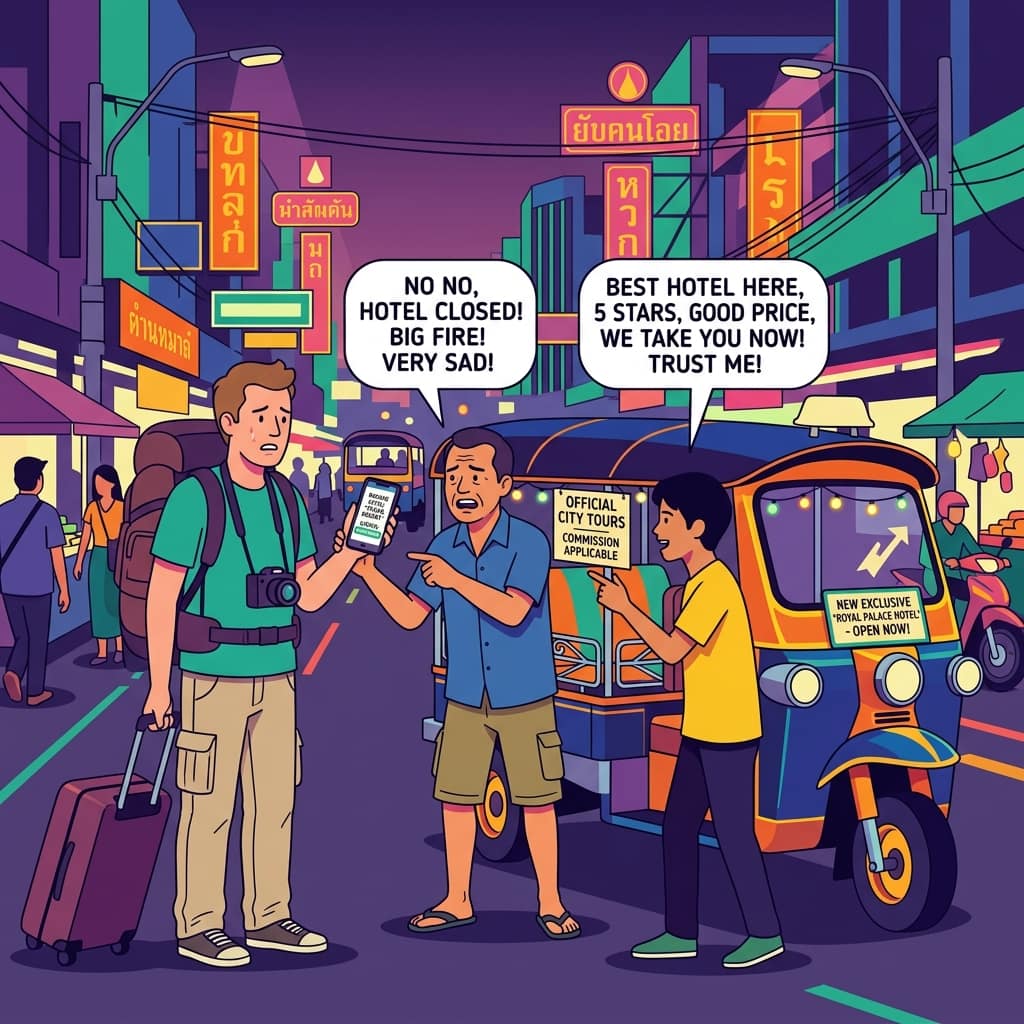
Social Media "Travel Agent" Fraud: The Illusion of Luxury
The endless scroll of Instagram and TikTok is filled with breathtaking vistas, infinity pools overlooking the ocean, and influencers living their b...
Social Media "Travel Agent" Fraud: The Illusion of Luxury
The endless scroll of Instagram and TikTok is filled with breathtaking vistas, infinity pools overlooking the ocean, and influencers living their best lives in exotic destinations. It's easy to get swept up in the wanderlust. Unfortunately, cybercriminals are acutely aware of this and have weaponized social media to orchestrate devastating travel scams. Enter the Social Media "Travel Agent" Fraud—a meticulously crafted con where fake influencers and phantom agencies sell exclusive, heavily discounted luxury travel packages that simply do not exist.
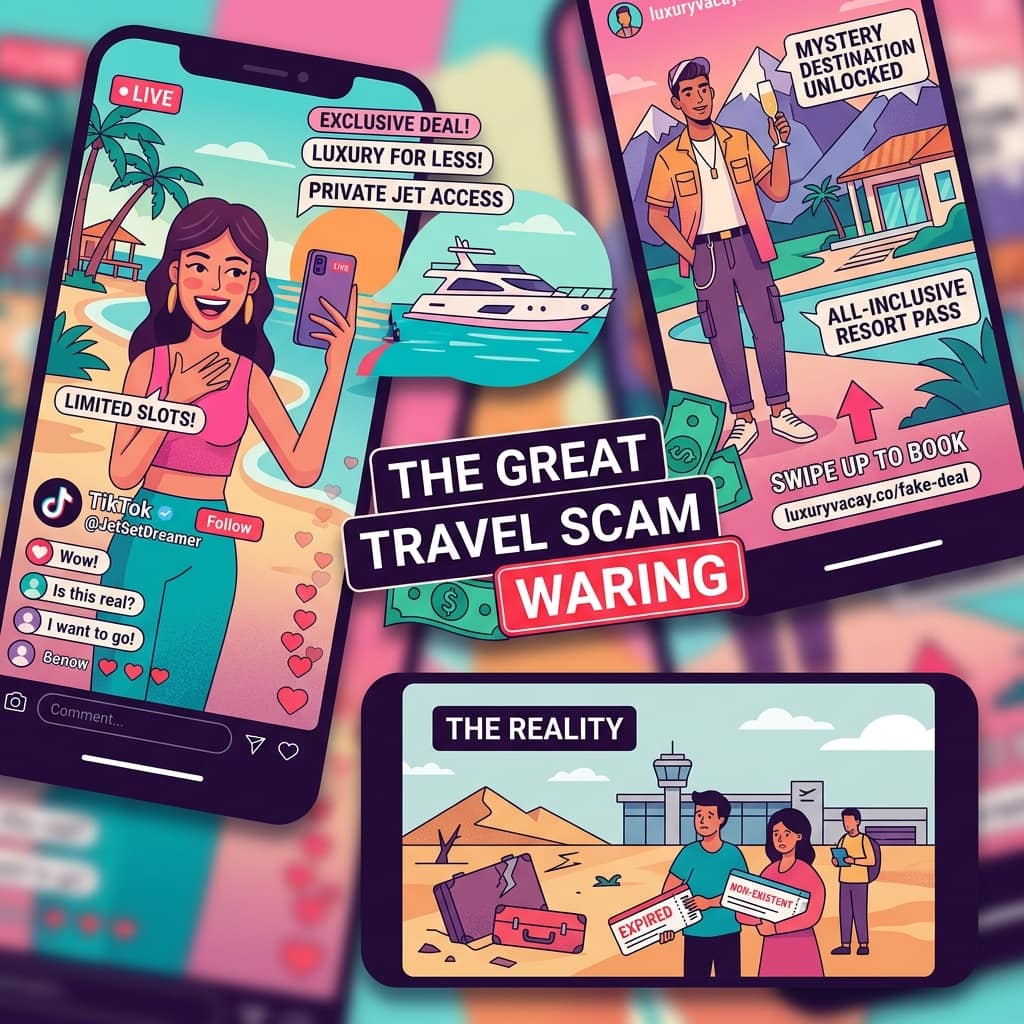
As travelers increasingly turn to social media for vacation inspiration and booking, the line between legitimate travel agencies and sophisticated scams has blurred. This comprehensive guide will pull back the curtain on these fraudulent social media travel agents, exploring how they operate, the red flags you must watch for, and how to book your dream vacation without being swindled.
The Anatomy of the Social Media Travel Agent Scam
The scammers behind these operations are not your typical, easily identifiable fraudsters. They are digital chameleons who invest significant time and effort into creating an aura of authenticity and exclusivity. Here is how they build their trap.
The Illusion of Legitimacy
Scammers begin by creating incredibly convincing social media profiles on platforms like Instagram, TikTok, and Facebook. They steal high-quality photos and videos from real luxury resorts, travel bloggers, and legitimate agencies, curating a feed that looks both professional and aspirational. They will often buy thousands of fake followers and manufacture fake comments and reviews to create "social proof."
Pro Tip: Don't trust follower counts. Scammers can purchase ten thousand followers for a few dollars. Instead, look at the engagement. If an account has 50,000 followers but only gets 10 likes per post, or if the comments are entirely generic emojis, it is highly likely a fake account.
The Irresistible Offer
Once the profile looks legitimate, the scammer starts advertising limited-time, highly exclusive travel packages. These deals are designed to trigger FOMO (Fear Of Missing Out). They might offer a week in an overwater bungalow in the Maldives for a fraction of the typical price, claiming they have "insider connections" or last-minute cancellations.
The High-Pressure Sale
When a potential victim reaches out via direct message (DM) or WhatsApp, the fake travel agent turns up the pressure. They will insist that there are only two spots left or that the promotional price expires in one hour. This urgency is designed to make you act impulsively, bypassing your logical reasoning and standard security checks.
The Untraceable Payment
The hallmark of this scam is the payment method. The fraudulent agent will never ask you to pay via a secure, traceable method like a major credit card through a verified merchant portal. Instead, they will demand payment through untraceable peer-to-peer apps like Zelle, CashApp, Venmo, direct bank wire transfers, or even cryptocurrency. Once the money is sent, the "agent" blocks you, deletes their profile, and disappears into the digital ether.
Important: Legitimate travel agencies and tour operators will ALWAYS accept major credit cards and will process payments through secure, encrypted payment gateways. If an agent insists on Zelle, wire transfer, or crypto for a vacation package, walk away immediately.
The Devastating Impact on Victims
Falling for a social media travel scam is a uniquely painful experience. The damage goes far beyond the initial financial loss.
Financial Devastation
Victims often lose thousands of dollars in a single transaction. Because the payments are usually made via wire transfer or peer-to-peer apps, banks are rarely able to reverse the charges, leaving the victim entirely out of pocket.
Shattered Dreams and Ruined Plans
Many victims only realize they have been scammed when they arrive at the airport and find they have no flight reservation, or when they arrive at the destination only to discover the resort has never heard of them. The emotional toll of having a dream vacation shattered, combined with the logistical nightmare of being stranded, is immense.
Identifying the Red Flags
Protecting yourself requires a healthy dose of skepticism. If you are considering booking a trip through a social media profile, keep a sharp eye out for these glaring red flags:
- Deals That Are Too Good to Be True: If a luxury package is being offered at 70% off the market rate, it is almost certainly a scam. Luxury resorts rarely, if ever, discount their properties that heavily.
- No Physical Address or verifiable Website: Legitimate businesses have verifiable physical addresses, comprehensive websites with terms and conditions, and contact numbers. If their only online presence is an Instagram page and a WhatsApp number, do not engage.
- Pressure Tactics: Real travel agents want to help you plan the perfect trip, which takes time. Scammers want your money immediately. Any extreme high-pressure sales tactics are a massive warning sign.
- Lack of Industry Credentials: In many countries, legitimate travel agents must be registered with professional associations (such as ASTA in the US, or ABTA in the UK). Ask for their registration number and verify it independently.
Fascinating Fact: A recent study found that nearly 60% of Generation Z and Millennial travelers use social media as their primary tool for travel planning, making them disproportionately targeted by these sophisticated booking scams.
How to Book Safely in the Social Media Age
You can still use social media for inspiration, but you must alter how you actually execute your bookings.
Verify Everything Independently
If you see a great deal on a resort via an influencer's page, do not book through the influencer. Instead, leave the app, open your web browser, find the official website for the resort, and book directly with them. If the deal is real, the resort will honor it.
Research the Agency Intensely
If you do want to use a boutique travel agency you found on social media, perform an exhaustive background check. Google their name along with words like "scam," "reviews," or "fraud." Check the Better Business Bureau (BBB) or equivalent consumer protection agencies in their country.
Always Use a Credit Card
Credit cards offer robust fraud protection and chargeback rights under laws like the Fair Credit Billing Act. If you pay for a trip with a credit card and the travel agent turns out to be a fraud, you can dispute the charge and likely get your money back. Never use debit cards or wire transfers.
Conclusion
The curated perfection of social media makes it the perfect hunting ground for modern scammers. The Social Media Travel Agent Fraud thrives on our desire for luxury and our fear of missing out on a spectacular deal. By maintaining a skeptical eye, demanding verifiable credentials, and strictly adhering to secure payment methods, you can ensure that your dream vacation doesn't turn into a costly digital nightmare.
Frequently Asked Questions (FAQs)
Q: If an influencer with a blue checkmark (verified badge) promotes a travel deal, is it safe? A: Not necessarily. Verified accounts can be hacked and taken over by scammers. Furthermore, on platforms like X (formerly Twitter) and Instagram, users can now pay for verification badges, meaning the blue checkmark is no longer a guarantee of legitimacy.
Q: What should I do if I sent money to a fake travel agent on social media? A: Contact your bank immediately to see if the transfer can be stopped or reversed, though this is difficult with wire transfers and Zelle. Report the fraudulent account to the social media platform, and file a report with your local cybercrime authorities.
Q: Are there legitimate travel agents on Instagram and TikTok? A: Yes, there are many excellent, legitimate travel advisors who use social media to market their services. However, legitimate agents will have professional websites, industry accreditations, and will accept standard credit card payments.
Q: Can I trust the reviews posted on their Instagram highlights? A: No. Screenshots of "happy customers" in Instagram highlights or TikTok videos are incredibly easy to fake using secondary phones or Photoshop. Always look for independent reviews on third-party websites like Trustpilot or Google Reviews.
Get more practical guides like this
Follow the RSS feed or send Sahi.info to your WhatsApp circle so the practical guides keep moving.