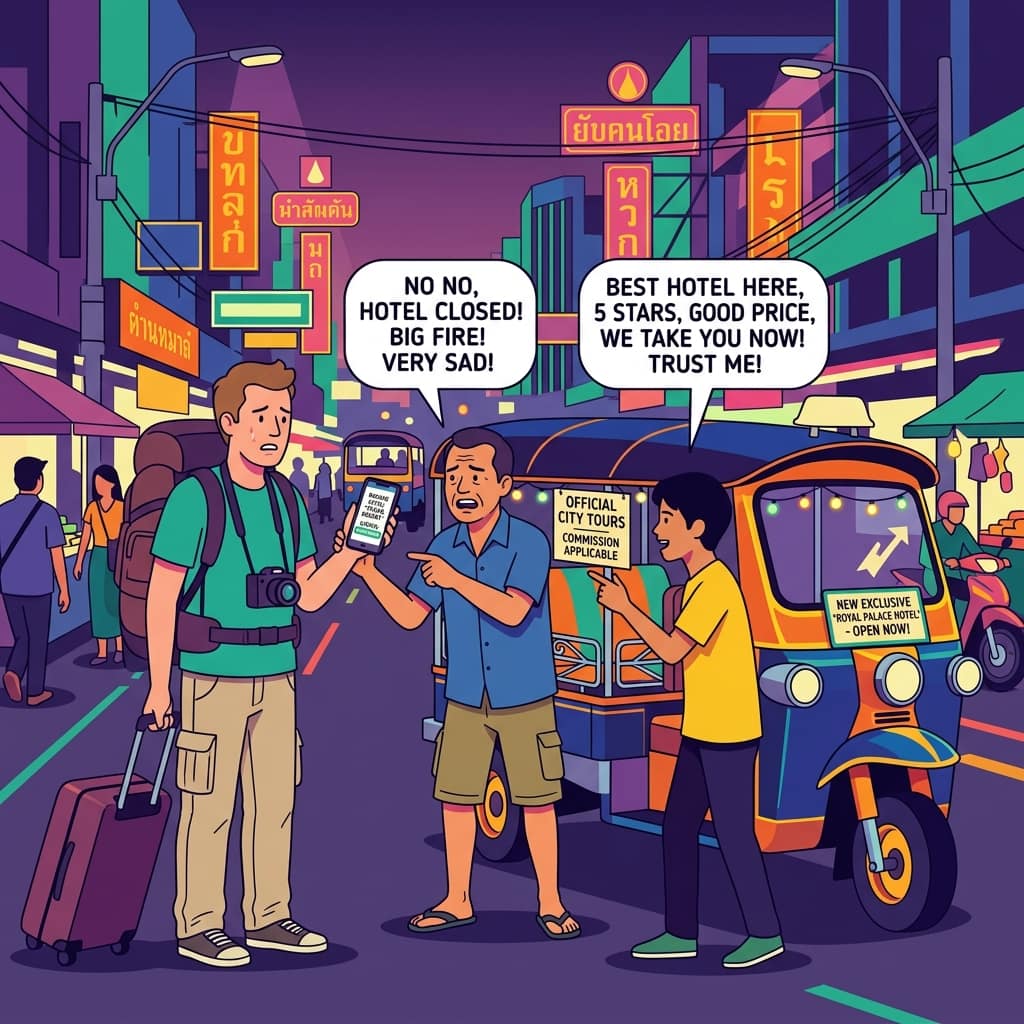
Phantom Hotel Listings: The Empty Lot Nightmare
You’ve spent weeks planning your dream vacation. You found an incredible deal on a beautifully appointed boutique hotel through a lesser-known trav...
Phantom Hotel Listings: The Empty Lot Nightmare
You’ve spent weeks planning your dream vacation. You found an incredible deal on a beautifully appointed boutique hotel through a lesser-known travel booking website. The photos showcased luxurious rooms, a sparkling pool, and glowing reviews. You paid upfront, printed your confirmation, and flew halfway across the world. But when the taxi pulls up to the address listed on your reservation, your heart sinks. There is no hotel. There is only a shuttered building, a residential house, or worse—an empty, weed-filled lot.
You have just fallen victim to the Phantom Hotel Listing scam.
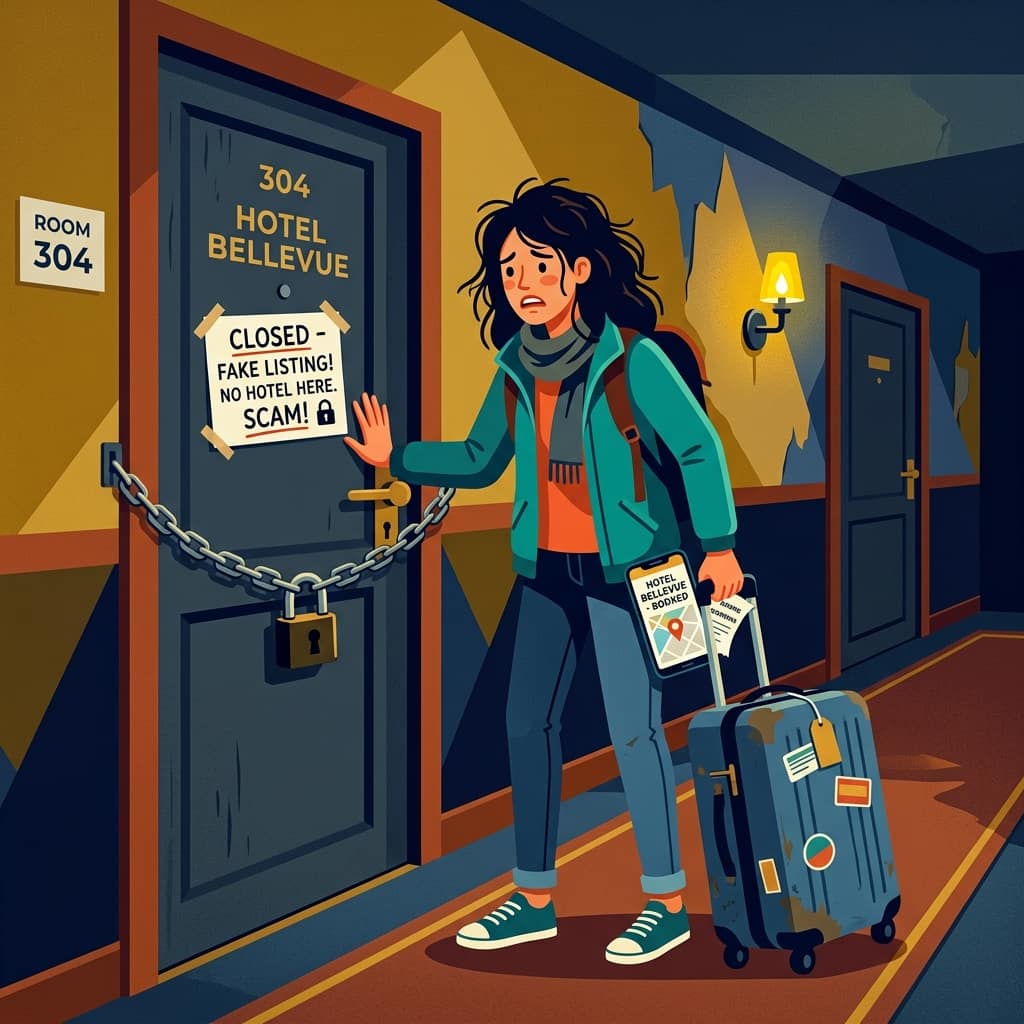
This devastating scam not only robs you of your money but leaves you stranded in an unfamiliar destination with nowhere to sleep. In this comprehensive guide, we will uncover how scammers create these illusionary hotels, the massive red flags to look for, and the foolproof methods to ensure your accommodation actually exists before you book.
How the Phantom Hotel Scam Operates
The phantom hotel scam is an elaborate digital illusion. Scammers leverage the anonymity of the internet to create convincing, entirely fake property listings that vanish as soon as they have collected enough money from unsuspecting travelers.
The Digital Mirage
Scammers build their phantom hotels using stolen digital assets. They lift high-resolution images from real estate websites, interior design portfolios, or legitimate hotels located in different countries. They create a catchy name, write enticing descriptions, and fabricate hundreds of glowing five-star reviews.
Pro Tip: Scammers often use generic, buzzword-heavy names for their fake properties, such as "City Center Luxury Suites," "Ocean Breeze Retreat," or "The Grand Plaza Boutique."
The Distribution
These fake listings are then uploaded to online travel agencies (OTAs), discount booking aggregators, and social media platforms. Scammers often target secondary or poorly moderated booking sites, though they occasionally slip through the cracks of major platforms like Booking.com or Expedia before being detected and removed. They also heavily promote these fake hotels through targeted Facebook and Instagram ads, offering "flash sales" to create a sense of urgency.
The Payout
To secure the booking, the scam site requires full payment upfront, often pushing victims to pay via direct bank transfer, cryptocurrency, or peer-to-peer apps like Zelle or CashApp. Once the payment is processed, the scammers disappear. When the traveler arrives at the destination weeks or months later, they find the address is fake, and the website they booked through has been deleted.
Recognizing the Red Flags
While phantom listings are designed to look flawless, they often contain subtle inconsistencies that reveal their true nature. Knowing what to look for can save you thousands of dollars and immense stress.
1. The Deal is Absurdly Good
If every other 4-star hotel in the area costs $250 a night, and you find a stunning "luxury boutique" offering rooms for $60 a night, it is almost certainly a scam. Scammers use rock-bottom prices to bypass your critical thinking and trigger your fear of missing out (FOMO).
2. Untraceable Payment Methods
Legitimate hotels and reputable booking platforms accept major credit cards, which offer fraud protection. If a booking site insists you pay via direct wire transfer, Western Union, cryptocurrency, or a digital wallet, immediately walk away. This is the biggest red flag of a phantom listing.
Important: Credit cards offer built-in protections like chargebacks. Direct bank transfers and crypto payments are like handing over physical cash—once it's gone, it's impossible to recover.
3. Lack of an External Digital Footprint
A real hotel leaves a massive digital footprint. If you Google the name of the hotel and the only result is the specific booking site you are looking at, it is a phantom. Real hotels have their own official websites, TripAdvisor pages, Yelp reviews, local news mentions, and social media presence.
How to Verify a Hotel Actually Exists
Before you enter your credit card information, you must play detective. Follow these verification steps to ensure the property is real.
1. Utilize Google Maps and Street View
Never trust the map provided on the booking site. Copy the exact address and paste it into Google Maps. Turn on Street View and virtually "walk" down the street. Does the building match the photos? Is there a sign for the hotel? If the address points to an empty field, a gas station, or a private residence, it’s a scam.
Fascinating Fact: Some clever scammers use the address of a real, prominent building (like a corporate office or a hospital) so the map looks populated, but a quick Street View check will reveal it is not a hotel.
2. Call the Hotel Directly
Find the hotel's phone number through an independent search engine (not the phone number listed on the suspicious booking site). Call them and ask to confirm basic details about their location or amenities. If the number is disconnected, rings endlessly, or redirects to a generic voicemail, be highly suspicious.
3. Cross-Reference Reviews on Independent Sites
Do not trust the reviews on the booking site itself—they are easily faked. Go to TripAdvisor, Google Reviews, or Reddit and search for the hotel's name. Real hotels will have a mix of good and bad reviews spanning several years. Phantom hotels will either have zero presence on these independent sites or a sudden flurry of exclusively five-star reviews posted within the last week.
What to Do If You Are Stranded
If the worst happens and you arrive at a non-existent hotel, you need to act quickly to secure your safety and attempt to recover your funds.
1. Find Immediate Shelter
Your first priority is safety, especially if you arrive at night. Head to a nearby cafe, a major international hotel chain lobby, or an airport. Use a reputable booking app (like Marriott, Hilton, or Booking.com directly) to secure a room for the night. Do not panic-book through unknown sites again.
2. Contact Your Bank Immediately
Call the fraud department of your credit card company or bank. Explain that you booked a fake hotel and the merchant committed fraud. Initiate a chargeback immediately. The faster you act, the higher the chance your bank can freeze the transaction.
3. Report the Fraud
Report the scam to the local tourist police in the destination you are visiting. Additionally, report the fraudulent website to the authorities in your home country (e.g., the FTC in the United States or Action Fraud in the UK) and flag the website on Google Safe Browsing.
Frequently Asked Questions (FAQs)
Can phantom hotel scams happen on major sites like Booking.com? While rare, it can happen. Scammers sometimes create fake host accounts for apartments or guesthouses on major platforms. However, if this happens on a major platform, their customer service will almost always rebook you and refund your money.
Are vacation rentals (like Airbnb) susceptible to this? Yes. Phantom listings are actually more common in the vacation rental space than the traditional hotel space, often manifesting as the "Bait-and-Switch" or completely non-existent properties.
Why does the booking site have a padlock icon if it's a scam? The padlock icon (HTTPS) only means the connection between your browser and the website is encrypted; it does not mean the website itself is legitimate or trustworthy. Scammers easily buy SSL certificates for their fake sites.
Should I rely solely on TripAdvisor? While TripAdvisor is a great tool, always combine it with Google Street View and direct contact. Highly sophisticated scammers have been known to attempt to create fake TripAdvisor pages for their phantom properties.
What is a "Mirror Site"? A mirror site is a fake website designed to look exactly like a real hotel's official website. Always check the URL closely (e.g., ensuring it's hilton.com and not hilton-bookings-online.com) to ensure you are on the authentic site.
Get more practical guides like this
Follow the RSS feed or send Sahi.info to your WhatsApp circle so the practical guides keep moving.