Overpriced "VIP" Border Crossings: Surviving the Land Border Hustle
Crossing a land border in a developing nation can be an intimidating experience. The heat, the chaotic crowds, the confusing language barriers, and...
Overpriced "VIP" Border Crossings: Surviving the Land Border Hustle
Crossing a land border in a developing nation can be an intimidating experience. The heat, the chaotic crowds, the confusing language barriers, and the sprawling complexes of customs buildings create a perfect storm of anxiety for travelers. Scammers know this, and they have perfected the art of monetizing that anxiety through the "VIP Border Crossing" scam.
As your bus approaches the border town, a sharply dressed "fixer" boards the bus, claiming to be an official customs agent. They warn you that the border queue is currently a five-hour wait in the blistering sun. However, for a "VIP Visa processing fee" of $50, they will take your passport, fast-track you through a private immigration line, and get you to the other side in 20 minutes. Desperate to avoid a nightmare wait, you hand over the cash.
Ten minutes later, you are standing in the exact same regular customs line as everyone else, minus $50, while the "fixer" has vanished back across the border.
How the VIP Border Scam Operates
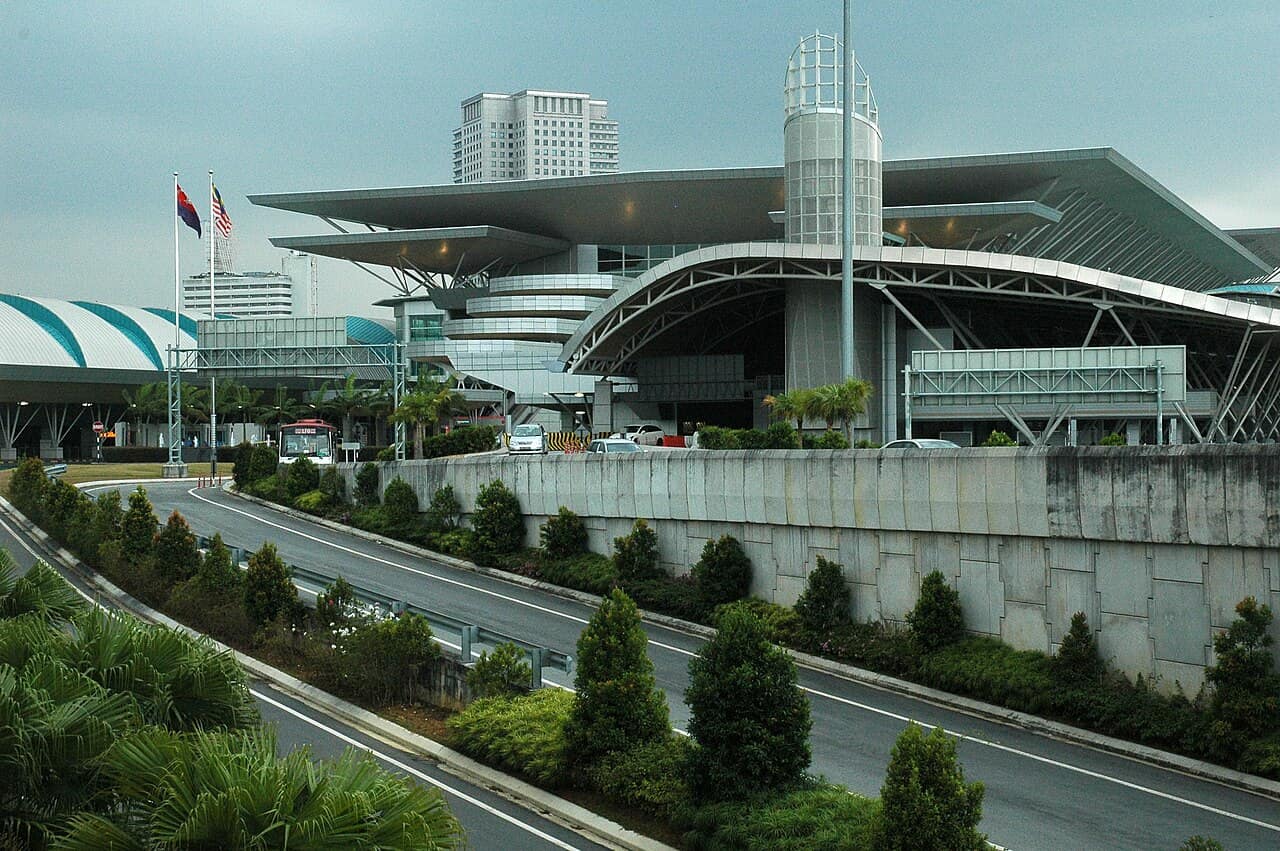
Land borders are highly lucrative environments for organized scam rings. The VIP crossing scam relies on authority impersonation, manufactured urgency, and geographical isolation.
The Interception
The scam rarely happens at the actual immigration window. It usually begins a few miles before the border. Your bus might stop at a random restaurant or "health checkpoint," or touts will swarm your taxi as soon as you pull into the border town. These individuals often wear fake lanyards, high-vis vests, or counterfeit military-style uniforms to project authority.
The Manufactured Crisis
To convince you to part with your money, the scammers must invent a problem. They will claim the computers are down, the queue is miles long, or that you require a special "health stamp" or "departure tax" before you are legally allowed to walk to the immigration building.
Pro Tip: Never hand your passport to anyone who is not sitting behind the glass at an official government immigration booth. No legitimate border guard will process your passport in a parking lot, a restaurant, or on a bus.
The "Service" Rendered
If you pay the VIP fee, one of two things will happen. In the best-case scenario, the fixer will simply walk you to the standard, free immigration line, point you toward the building, and leave with your money. In the worst-case scenario, they will take your passport and cash, demanding even more money to return your documents.
The Most Notorious Borders for This Scam
While border hassles exist globally, certain crossings have become legendary among backpackers for their sophisticated VIP extortion rings.
- Thailand / Cambodia (Poipet / Aranyaprathet): This is arguably the most famous scam border in the world. Touts will herd tourists into fake "Cambodian Consulates" (which are actually just restaurants) miles before the actual border to sell massively overpriced visas.
- Vietnam / Cambodia (Moc Bai / Bavet): Similar to Poipet, bus companies often partner with fixers who demand an extra $10-$20 on top of the official visa fee to "process the paperwork," threatening to leave you behind if you refuse.
- Costa Rica / Nicaragua (Penas Blancas): Touts will swarm travelers offering to fill out customs forms and guide them through the chaotic complex for inflated fees, often lying about mandatory exit taxes.
Identifying the VIP Hustlers
Protecting your wallet at a land border requires a healthy dose of skepticism. Watch out for these undeniable red flags:
- The "Pre-Border" Stop: If your bus stops at a cafe or office building 10 minutes before the actual geographical border, and a man boards demanding your passports and visa money, it is a scam.
- Refusal to Accept Exact Change: Official visa fees are usually set in USD (e.g., exactly $30). If a fixer demands $45 and claims the extra $15 is a "stamping fee," they are pocketing the difference.
- Lack of Official Signage: Government buildings are clearly marked. If you are being asked to pay for a visa inside a shack, a restaurant, or a casino parking lot, you are not dealing with customs officials.
Important: Research the exact, official cost of the visa for your specific nationality before you arrive at the border. Bring crisp, exact change in US Dollars. Scammers often prey on tourists who don't know the official price.
How to Cross Borders Safely and Cheaply
Navigating land borders requires confidence. If you act like you know what you are doing, scammers will usually leave you alone and look for an easier target.
Handle Your Own Paperwork
Politely but firmly decline any offers of help filling out arrival cards. Do not let anyone "guide" you between the departure and arrival buildings. Simply follow the flow of local foot traffic or look for the official signs pointing to "Immigration."
Arrange E-Visas in Advance
The easiest way to bypass border scams entirely is to secure an electronic visa (E-Visa) online before your trip, if the country offers it. If you already have your visa printed out, you cannot be scammed into buying a fake or overpriced one at the border.
Stand Your Ground with Bus Drivers
In some regions, the bus driver is in on the scam. They may collect everyone's passports and demand a $5 "processing fee." If you refuse, they might threaten to leave without you. While stressful, if you firmly state you will process your own visa at the window, they almost always back down because they cannot legally strand a manifested passenger.
What to Do If You Feel Intimidated
Border crossings can feel lawless, and aggressive touts can be frightening.
- Walk Away: You have no obligation to speak to touts. Put your headphones in (even without music playing), look straight ahead, and walk purposefully toward the official government buildings.
- Find Official Uniforms: If touts are physically blocking your path or becoming aggressive, look for armed border police or military personnel. Touts will immediately back away if you approach actual law enforcement.
- Accept the "Convenience Fee" if Necessary: If you are on a direct bus and the entire bus agrees to pay the driver a $5 markup to process the passports in bulk to save time, you may choose to simply pay it for peace of mind. Just recognize it as a convenience bribe, not a mandatory legal fee.
Frequently Asked Questions (FAQs)
Q: Are there ever legitimate exit fees or health check fees? A: Yes, some countries do have legitimate exit taxes. However, these are always paid at official, permanent government counters with printed receipts, never to a guy in a high-vis vest in a parking lot. Always research exit fees before arriving.
Q: What should I do if a border guard demands a bribe to stamp my passport? A: This is a tricky situation. Asking for a receipt will often make corrupt guards back down. "I am happy to pay the fee, but I need an official receipt for my accounting." If they refuse, you must weigh the small cost of the bribe against the risk of being denied entry.
Q: Is it safe to use the currency exchange touts at the border? A: No. Border currency exchange touts are notorious for rigged calculators, sleight of hand, and terrible exchange rates. Bring enough USD to pay for your visa, and use a legitimate ATM once you cross into the new country.
Q: Can I take photos to report the scammers? A: Absolutely not. Photography is strictly prohibited at international border crossings. Pulling out a camera or phone to take pictures of scammers or guards will likely result in your device being confiscated and you being detained by actual border police.
Get more practical guides like this
Follow the RSS feed or send Sahi.info to your WhatsApp circle so the practical guides keep moving.