The Fake Saffron and Spices Scam: How to Avoid Buying Dyed Corn Silk
Wandering through a bustling, aromatic spice market is one of the greatest joys of traveling. From the Grand Bazaar in Istanbul to the souks of Mar...
The Fake Saffron and Spices Scam: How to Avoid Buying Dyed Corn Silk
Wandering through a bustling, aromatic spice market is one of the greatest joys of traveling. From the Grand Bazaar in Istanbul to the souks of Marrakesh, the vibrant colors and heady scents of exotic spices are intoxicating. However, this sensory overload can easily distract you from a very common and costly trap: the fake saffron and spices scam.
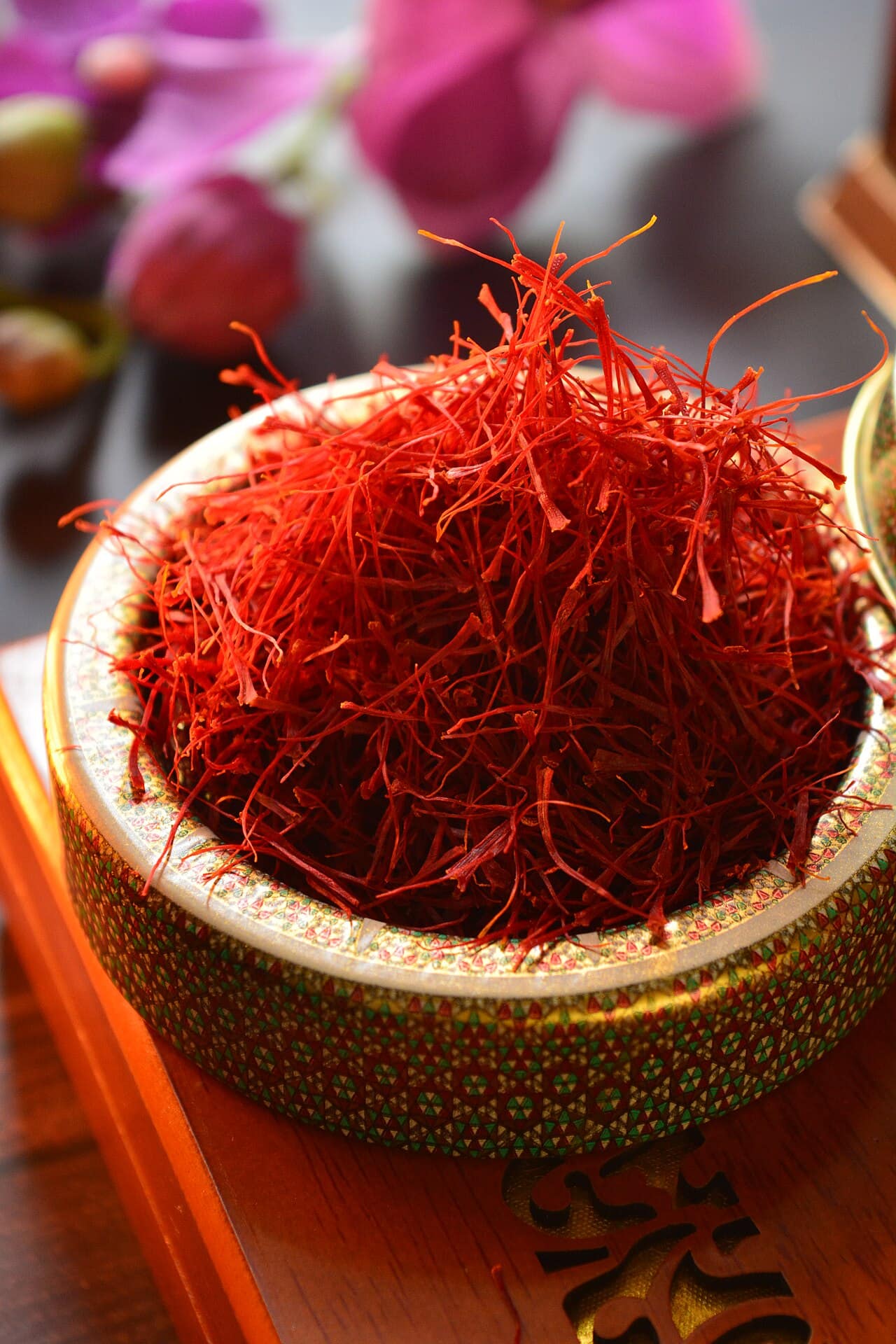
When you're out to buy authentic local flavors, scammers are out to sell you cheap, dyed substitutes disguised as high-end goods. Saffron, known as "red gold," is the most common victim of this fraud due to its astronomical price, but it happens with vanilla, cinnamon, and other rare delicacies as well.
Here’s everything you need to know about the fake spices scam, how to spot it, and how to bring home the real deal instead.
How the Fake Spice Scam Works
The scam is relatively straightforward but highly effective. Vendors take cheap materials—such as dyed corn silk, safflower, or even plastic threads—and package them beautifully to look like premium saffron. For other spices, they might mix ground brick dust with paprika, use cheap cassia bark instead of true Ceylon cinnamon, or fill vanilla extract bottles with artificially flavored water and dark food coloring.
Pro Tip: Saffron is the most expensive spice in the world, requiring tens of thousands of crocus flowers to produce a single pound. If a deal on saffron seems too good to be true, it is 100% fake.
The vendor will often be extremely charismatic, offering you tea, letting you smell a genuine sample, and weaving a compelling story about how their spices are sourced directly from a family farm. Once they have gained your trust and haggled to a price that makes you feel like a savvy negotiator, they swap the genuine sample for a pre-packaged fake, or simply weigh out the counterfeit goods.
The "Bait and Switch" Tactic
Sometimes, a vendor will have a small jar of genuine, high-quality saffron that they let you inspect and smell. The aroma is intoxicating and authentic. However, when you agree to buy, they reach under the counter and hand you a sealed tin or bag that supposedly contains the same product. In reality, you've just purchased a tin of dyed safflower or colored corn silk.
Important: Never let your eyes off the product you are buying. If a vendor reaches under the counter to grab a "fresh" package, insist on inspecting that specific package before handing over your money.
How to Spot Fake Saffron and Spices
Protecting yourself requires a mix of knowledge, skepticism, and sensory awareness. Here are the best ways to test if the spices you are buying are authentic.
1. The Water Test for Saffron
Genuine saffron releases its color slowly. If you place a thread of real saffron in a small amount of water, the water will gradually turn a vibrant yellow, but the thread itself will retain its red color. If the water instantly turns dark red, or if the thread loses its color and turns white, it is dyed fake.
2. Smell and Taste
Real saffron has a very distinct, complex aroma—often described as floral, earthy, and slightly sweet, like hay or honey. However, its taste is slightly bitter, never sweet. If it tastes sweet, it has likely been treated with glycerin or sugar to add weight.
3. Visual Inspection
Look closely at the threads. Genuine saffron threads have a distinct trumpet shape at one end. If the threads are perfectly uniform, straight, and look like shredded plant matter, they are likely corn silk or safflower.
4. Check for True Cinnamon
True Ceylon cinnamon (often called "real cinnamon") is made of thin, fragile layers of bark rolled tightly like a cigar. It crumbles easily and has a delicate, sweet flavor. The cheaper alternative, Cassia, is a single, thick, hard layer of bark curled inward. Cassia isn't inherently "fake," but it is often fraudulently sold at the higher price point of Ceylon cinnamon.
Where to Buy Authentic Spices
To minimize your risk of being scammed, you have to be selective about where you shop.
- Avoid Tourist Hotspots: Vendors located directly outside major tourist attractions or on main thoroughfares often cater exclusively to one-time visitors. They rely on the fact that you will be in another country by the time you realize you’ve been scammed.
- Go to Specialized Stores: Look for established spice merchants away from the main tourist drags. Stores that locals frequent are much less likely to sell counterfeit goods because their business relies on repeat customers.
- Buy Whole, Not Ground: It is infinitely easier to adulterate ground spices than whole ones. Whenever possible, buy whole spices (peppercorns, nutmeg, cinnamon sticks, cardamom pods) and grind them yourself at home.
Fascinating Fact: Food fraud is a multi-billion dollar global industry. Olive oil, honey, and coffee are among the other highly adulterated food products worldwide!
Frequently Asked Questions (FAQs)
What is safflower, and why is it used as fake saffron?
Safflower is a thistle-like plant that produces red and yellow flowers. Its dried petals look somewhat similar to saffron threads but lack the distinct aroma, flavor, and culinary properties of real saffron. It is much cheaper to produce, making it the most common saffron substitute.
If I was sold fake saffron, is it dangerous to eat?
Usually, fake saffron (like safflower or corn silk) is harmless and safe to consume, though it will add no flavor to your dish. However, if artificial dyes or unapproved chemicals were used to color the fake threads, it could potentially be harmful. It is best to discard it.
Can I trust sealed packaging in spice markets?
Not always. Scammers often use professional-looking packaging, complete with fake seals and holographic stickers, to make their counterfeit goods look legitimate. Always prioritize inspecting the actual product over trusting the packaging.
How much should real saffron cost?
Prices vary globally, but high-quality saffron typically costs anywhere from $10 to $20 per gram (or $5,000 to $10,000 per pound). If someone is selling you a large box of saffron for a few dollars, you are buying a counterfeit.
FAQ
What is safflower, and why is it used as fake saffron?
Safflower is a thistlelike plant that produces red and yellow flowers. Its dried petals look somewhat similar to saffron threads but lack the distinct aroma, flavor, and culinary properties of real saffron. It is much cheaper to produce, making it the most common saffron substitute.
If I was sold fake saffron, is it dangerous to eat?
Usually, fake saffron (like safflower or corn silk) is harmless and safe to consume, though it will add no flavor to your dish. However, if artificial dyes or unapproved chemicals were used to color the fake threads, it could potentially be harmful. It is best to discard it.
Can I trust sealed packaging in spice markets?
Not always. Scammers often use professionallooking packaging, complete with fake seals and holographic stickers, to make their counterfeit goods look legitimate. Always prioritize inspecting the actual product over trusting the packaging.
How much should real saffron cost?
Prices vary globally, but highquality saffron typically costs anywhere from $10 to $20 per gram (or $5,000 to $10,000 per pound). If someone is selling you a large box of saffron for a few dollars, you are buying a counterfeit.
Get more practical guides like this
Follow the RSS feed or send Sahi.info to your WhatsApp circle so the practical guides keep moving.