Fake QR Code Overlays: The Invisible Threat in Plain Sight
The world has rapidly embraced contactless technology. From accessing menus at your favorite local cafe to paying for a parking spot or transit tic...
Fake QR Code Overlays: The Invisible Threat in Plain Sight
The world has rapidly embraced contactless technology. From accessing menus at your favorite local cafe to paying for a parking spot or transit ticket, scanning a quick QR code has become second nature. Unfortunately, scammers have recognized the vulnerability in this everyday convenience. The fake QR code overlay is a low-tech but highly effective scam that targets both locals and tourists alike, silently intercepting funds and stealing personal information right under the noses of legitimate businesses.
The Rise of Contactless Convenience—and Crime
QR (Quick Response) codes are essentially complex barcodes that can store a variety of information, most commonly website URLs or payment prompts. When the pandemic hit, the use of QR codes skyrocketed as businesses sought touch-free ways to serve customers. Today, they are ubiquitous in restaurants, parking meters, transit stations, and even on street advertisements.
Because we've been conditioned to trust these pixelated squares, we rarely give a second thought before pointing our smartphone cameras at them. Scammers exploit this inherent trust by printing their own malicious QR codes on high-quality sticker paper and simply slapping them over the legitimate ones.
Pro Tip: Always feel the surface of a QR code before you scan it, especially in public places like parking meters or transit stations. If the code feels raised, like a sticker placed over the original surface, do not scan it.
How the Fake QR Code Overlay Scam Works
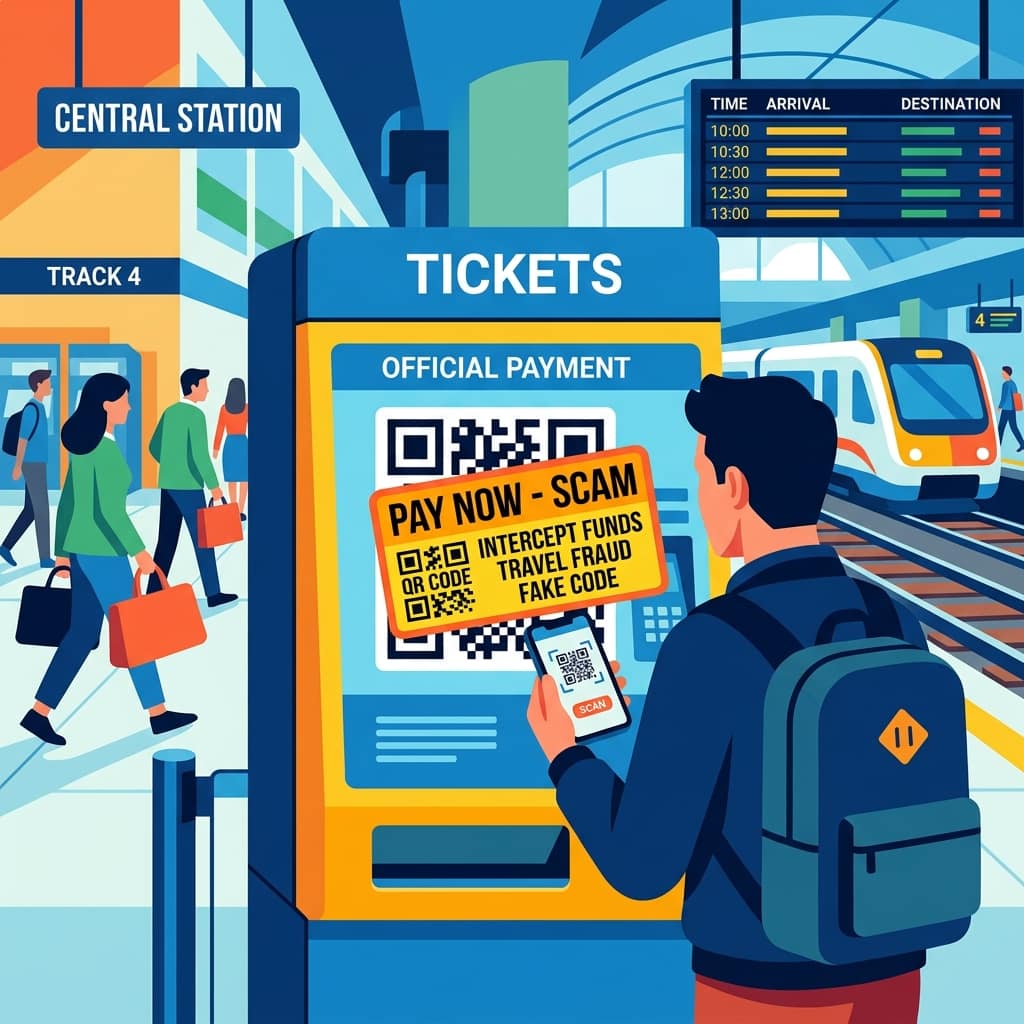
The execution of this scam is alarmingly simple. A scammer targets a public area with unattended QR codes, such as a row of parking meters, a self-serve kiosk, or a bike-rental station. They place their counterfeit QR sticker precisely over the real one.
When an unsuspecting victim comes along and scans the code, they are not directed to the city's official parking app or the restaurant's legitimate menu. Instead, one of two things typically happens:
- Phishing for Credentials: The victim is taken to a perfectly spoofed website that looks exactly like the legitimate service. The site prompts them to enter their credit card details or login credentials to "complete the payment." This information is captured by the scammers.
- Direct Payment Interception: The fake QR code opens a payment app (like PayPal, Venmo, or a cryptocurrency wallet) and prompts the user to send funds directly to the scammer's account, masquerading as the legitimate merchant.
In some severe cases, scanning the fake code can automatically trigger the download of malware onto the victim's device, giving scammers access to sensitive data, banking apps, and personal contacts. The victim usually only realizes they've been scammed when they receive a parking ticket (because they never actually paid the city) or when mysterious charges appear on their bank statement.
Spotting the Fake: Red Flags to Look For
While fake QR codes are designed to blend in, there are physical and digital clues you can look for to protect yourself:
- Physical Tampering: Look closely at the QR code. Is it a sticker? Are the edges peeling? Can you see another code underneath it? Legitimate codes are often printed directly onto the sign, menu, or meter, or are displayed behind a protective layer of plastic or glass.
- Suspicious URLs: When you scan a QR code, your smartphone will display a preview of the URL before you tap to visit the site. Read this URL carefully. Scammers often use typosquatting—subtle misspellings like "parklng.com" instead of "parking.com" or completely unrelated domain names.
- Unusual Payment Requests: If a restaurant's QR code menu suddenly demands your credit card information before you can even view the food options, close the page immediately. Similarly, if a transit station payment portal asks you to pay via an unconventional method like a third-party cash app, it's likely a scam.
Important: Never download an app directly from a QR code scan. If a code directs you to download a parking or transit app, go to your phone's official App Store or Google Play Store, search for the app by name, and download it from there.
Protecting Your Funds While Traveling
When you're in a new city or foreign country, you're particularly vulnerable to this scam because you aren't familiar with what the local, legitimate payment portals should look like. To stay safe:
- Pay the Old-Fashioned Way: If you are unsure about a QR code, bypass it entirely. Pay with a physical credit card or cash inside the establishment or at a designated kiosk.
- Use Built-in Scanners: Most modern smartphone cameras have built-in QR code scanners that provide a URL preview. Avoid using third-party QR scanner apps, as some of these apps are malicious themselves and can inject ads or redirect your scans.
- Ask the Staff: In a restaurant or cafe, if a QR code looks suspicious or is printed on a flimsy sticker on the table, ask the waitstaff to verify it or request a physical menu.
The convenience of QR codes is undeniable, but it requires a new kind of digital street smarts. By taking an extra two seconds to inspect the code and verify the URL, you can ensure that your quick scan doesn't lead to a long-lasting financial headache.
Frequently Asked Questions (FAQs)
Q: Can simply scanning a QR code infect my phone with a virus? A: While scanning the code itself won't immediately infect your phone, it can direct you to a malicious website that automatically prompts a malware download. If you keep your phone's software updated and don't click "accept" on suspicious pop-ups, your risk is lower.
Q: How do I know if a parking meter QR code is real? A: Legitimate city parking meters usually have the code integrated into the digital display or printed directly on the metal casing under tough laminate. If it's a standard paper sticker you can peel off, it's highly suspicious.
Q: What should I do if I entered my credit card info into a fake QR site? A: Immediately contact your credit card issuer, report the charge as fraudulent, and cancel the card. You should also clear your mobile browser's cache and cookies.
Q: Are there any safe QR codes? A: Yes, QR codes displayed on secure, dynamic screens (like a checkout terminal at a supermarket) are generally safe, as they cannot be physically covered by a sticker. Codes provided directly to you on a printed receipt by a cashier are also usually safe.
Get more practical guides like this
Follow the RSS feed or send Sahi.info to your WhatsApp circle so the practical guides keep moving.