Fake Police Officers: How to Spot the Scam and Protect Your Cash
Traveling abroad comes with an inherent respect for local authority. We want to be law-abiding tourists, and when approached by someone claiming to...
Fake Police Officers: How to Spot the Scam and Protect Your Cash
Traveling abroad comes with an inherent respect for local authority. We want to be law-abiding tourists, and when approached by someone claiming to be a police officer, our instinct is to comply immediately. Unfortunately, organized crime syndicates have weaponized this instinct, creating one of the most intimidating and costly tourist traps: the Fake Police Scam.
This is a high-stakes hustle that preys on fear and confusion, capable of draining thousands of dollars from your wallet in a matter of minutes.
How the Fake Police Scam Works
This scam is highly sophisticated and almost always involves a team of actors working in tandem to create a believable, high-pressure scenario.
The Setup
The scam usually starts with a "tourist" (who is actually an accomplice) approaching you. They might ask for directions, ask you to take a photo, or try to sell you something illegal, like drugs or counterfeit goods.
Suddenly, two men will aggressively approach. They will flash badges—often quickly and aggressively—and declare themselves to be undercover police officers, tourist police, or Interpol agents.
The "Investigation"
The fake officers will sternly announce they are investigating a crime. They might claim the "tourist" you were talking to is a known drug dealer, or that there has been a surge of counterfeit currency in the area.
They will demand to see your passport and your wallet. They may ask you to hand over your wallet so they can "inspect your bills for counterfeit watermarks" or "check for drug residue."
Pro Tip: Legitimate police officers will never ask to inspect the contents of your wallet on the street to check for counterfeit money. This is a massive red flag.
The Shakedown
While you are distracted, flustered, and trying to prove your innocence, the fake officer examining your wallet will use sleight of hand to extract large bills. They will then hand your wallet back, apologize for the inconvenience, and swiftly depart with their "suspect" (the accomplice).
By the time you open your wallet and realize hundreds of dollars are missing, they are long gone. In more aggressive variations, they may simply declare you are facing a massive fine for "associating with criminals" and demand immediate payment in cash or escort you to an ATM.
Recognizing the Red Flags
Spotting fake police officers requires knowing standard law enforcement protocols.
- Plainclothes and Fake Badges: The scammers are usually in plainclothes. The badges they flash are often cheap toys or vague leather wallets with a generic star. They never let you look at the badge closely.
- The Immediate Request for Cash: Real police investigating a crime do not ask to look inside your wallet to count your money.
- The Accomplice: The presence of the initial "tourist" who perfectly sets up the scenario is a classic hallmark of the scam.
- Avoidance of Real Police Stations: Fake cops will insist on handling the matter in the street or an alleyway. They will aggressively resist any suggestion of going to an official police station.
Warning: Scammers often target older tourists or solo travelers who they perceive as more likely to be intimidated by authority figures.
What to Do If Approached
If you are stopped by individuals claiming to be undercover police, you must stay calm and assert your rights.
- Demand Proper Identification: Ask to clearly see their badge and warrant card. Do not let them quickly flash it and put it away.
- Never Hand Over Your Wallet: You can show them your ID, but never physically hand your wallet, purse, or passport to anyone on the street.
- Offer to Go to the Police Station: Firmly state, "I am happy to cooperate, but only at the nearest official police station." Start walking toward a crowded area or a hotel lobby. Fake police will almost always abandon the scam if you insist on going to a real precinct.
- Call Emergency Services: Pull out your phone and dial the local emergency number (e.g., 112 in Europe, 911 in the Americas). Tell the "officers" you are verifying their identity with dispatch. Scammers will flee immediately.
Verifying Real Law Enforcement
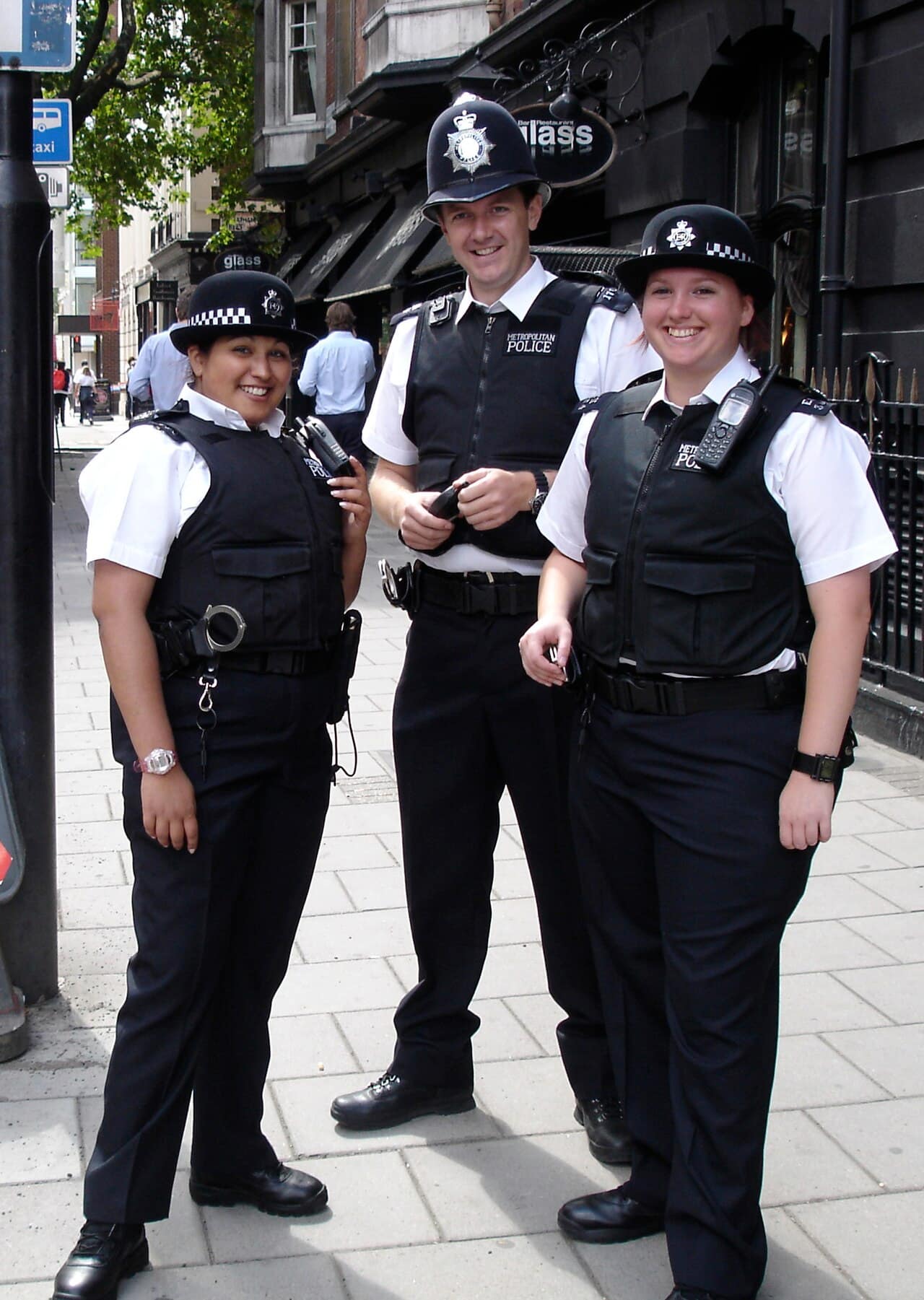
It is crucial to know what real police look like in your destination. Before you travel, do a quick internet search to see what the local police uniforms, vehicles, and badges look like. While there are legitimate undercover officers in many countries, they very rarely interact with tourists for minor street infractions.
Frequently Asked Questions (FAQs)
Q: In which countries is this scam most common? A: This scam is frequently reported in major tourist cities in Spain, Italy, France, and parts of Eastern Europe. It is also occasionally seen in some South American countries.
Q: Will fake police use violence? A: Typically, no. They rely on intimidation and sleight of hand rather than violence, as violence attracts real police and severe criminal charges. However, it's best not to be aggressive; just be firm and walk away toward a crowded area.
Q: Can they legally force me to show my passport on the street? A: In some countries, real police can ask for your ID. However, you are always within your rights to ask them to escort you to a police station to present it, or to show it to them while holding it securely in your own hands.
Get more practical guides like this
Follow the RSS feed or send Sahi.info to your WhatsApp circle so the practical guides keep moving.