Fake Monks Demanding Donations: Spiritual Scams Exposed
Exploring new cities often brings wonderful encounters with different cultures and spiritual traditions. Spotting a Buddhist monk in flowing saffro...
Fake Monks Demanding Donations: Spiritual Scams Exposed
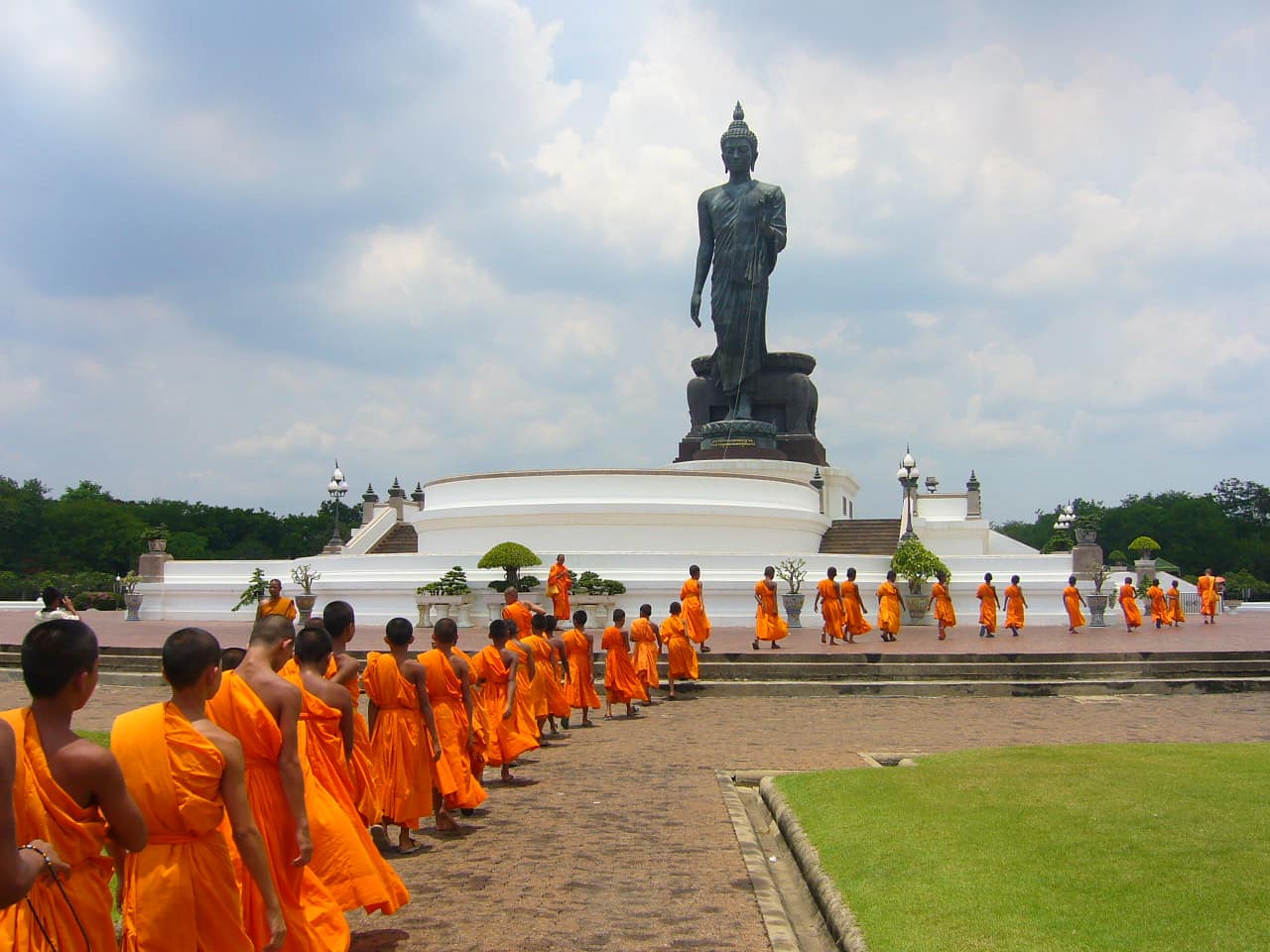
Exploring new cities often brings wonderful encounters with different cultures and spiritual traditions. Spotting a Buddhist monk in flowing saffron or maroon robes can feel like a serene, authentic moment on your journey. However, in many major tourist hubs around the world, the person approaching you in those robes might not be a monk at all. They might be a highly organized scammer looking to exploit your respect for religion and your desire for good karma.
The "Fake Monk" scam is a widespread extortion tactic where individuals dress in monastic attire to aggressively solicit donations from unsuspecting tourists. Understanding how this operation works is vital to protecting your wallet and ensuring your travel experiences remain genuinely positive.
Understanding the Fake Monk Phenomenon
This scam is entirely a numbers game. The perpetrators rely on the fact that tourists are generally polite, respectful of religious figures, and unfamiliar with the actual practices and vows of Buddhist monastics.
The Friendly Approach
The scam usually begins with a peaceful, smiling approach. The "monk" will walk up to you, often bowing slightly, and offer a gesture of goodwill. This is completely unsolicited and designed to catch you off guard in a moment of friendliness.
The "Gifts" Imposition
Before you can react, they will attempt to place an item on your person. They might swiftly tie a beaded or woven string bracelet around your wrist, press a shiny golden medallion or amulet into your palm, or hand you a small "peace" card.
Pro Tip: If someone tries to force a bracelet on your wrist or place an amulet in your hand, simply let your arm drop and allow the item to fall to the ground. You have no obligation to catch it.
Because they represent a religious figure, most tourists' instinct is to accept the token politely rather than pull away, which feels disrespectful.
The High-Pressure Demands
The moment you accept the item, the serene demeanor vanishes. The fake monk will suddenly produce a ledger or a notebook showing (often fake) donations from other tourists—usually for very high amounts like $20, $50, or $100. They will demand a similar "donation" for the temple, world peace, or a charity. If you offer a small amount, like a dollar or a few coins, they will act deeply offended, aggressively point to the high numbers in their book, and persistently harass you until you hand over folding money.
Real Monks vs. Fake Monks
To navigate this, it helps to understand the massive differences between authentic Buddhist monastics and these street-level scammers.
Important: Genuine Buddhist monks are forbidden by their monastic vows (the Vinaya) from aggressively soliciting money or selling trinkets on the street.
- Authentic Monks: Monks may accept alms (usually food) during specific morning hours in some Asian countries. They stand silently and humbly, looking down. They never badger, they never sell items, and they do not roam tourist hotspots demanding cash.
- Fake Monks: They are aggressive, persistent, and highly transactional. They often wear modern running shoes under their robes, carry backpacks or hidden fanny packs for cash, and operate during peak tourist hours in busy secular areas.
Fascinating Fact: The fake monk scam has become a global enterprise, with organized rings operating not just in Asia, but in major Western cities like New York, London, Paris, and Sydney.
Where This Scam is Most Common
While it originated in tourist-heavy Asian cities like Bangkok, Tokyo, and Hong Kong, it has successfully been exported worldwide. You are highly likely to encounter fake monks in Times Square, around the Eiffel Tower, near the Sydney Opera House, and at popular viewpoints or parks in major metropolises.
Red Flags to Watch Out For
- Unsolicited Gifts: Anyone pushing an amulet, bracelet, or trinket into your hand unprompted.
- The Ledger: Producing a notebook showing massive donations to pressure you into matching them.
- Aggressive Demeanor: Real monks are peaceful. If the person becomes angry, loud, or insistent when you refuse to pay, they are a fraud.
- Inappropriate Locations: Monks do not typically wander around amusement parks, bar districts, or massive commercial shopping centers seeking cash.
How to Protect Yourself
Protecting yourself requires overcoming the social conditioning that tells you to be overly compliant with religious figures.
Refuse the "Gifts"
Keep your hands to yourself. If a monk approaches you holding something out, firmly shake your head, say "No, thank you," and do not extend your hand. If they try to tie something on your wrist, pull away.
Keep Walking
Do not stop to engage in conversation. Scammers rely on trapping you in a social interaction. Maintaining a brisk walking pace is usually enough to deter them, as they will quickly move on to an easier target.
Keep Your Wallet Away
If you find a bracelet suddenly on your wrist, take it off and hand it back, or simply place it on a nearby wall or table and walk away. Absolutely do not open your wallet or purse. Once they see where you keep your money, they will become much more aggressive.
How to Authentically Support Monks and Temples
If you wish to support Buddhist communities while traveling, there are many legitimate ways to do so. Visit actual temples and leave a donation in the official, locked donation boxes provided on the premises. You can also participate in morning alms-giving ceremonies in countries like Laos or Thailand, where you respectfully offer food (not cash) to a silent procession of monks.
Frequently Asked Questions (FAQs)
Is it illegal for these fake monks to operate? In many cities, yes. It is considered aggressive panhandling or fraud. However, they are highly mobile and often slip away before authorities can address them.
What if I already gave them money? Walk away and chalk it up to a travel lesson. Do not attempt to demand your money back, as these scammers can become verbally abusive or have accomplices nearby.
How can I tell a real monk from a fake one visually? It can be difficult, as the robes look authentic. Look at their footwear (sneakers vs. traditional sandals), their accessories (smartwatches, fanny packs), and most importantly, their behavior. Aggression equals fake.
Get more practical guides like this
Follow the RSS feed or send Sahi.info to your WhatsApp circle so the practical guides keep moving.