The Counterfeit Local Crafts and Antiques Scam: Souvenirs That Aren't What They Seem
Bringing home a piece of local culture—a handcrafted mask, a hand-woven textile, or a genuine antique—is one of the most rewarding parts of travel....
The Counterfeit Local Crafts and Antiques Scam: Souvenirs That Aren't What They Seem
Bringing home a piece of local culture—a handcrafted mask, a hand-woven textile, or a genuine antique—is one of the most rewarding parts of travel. These items serve as tangible memories of the places you've explored. Unfortunately, the global souvenir market is flooded with mass-produced fakes masquerading as authentic, handmade local crafts, sold at a 1000% markup.
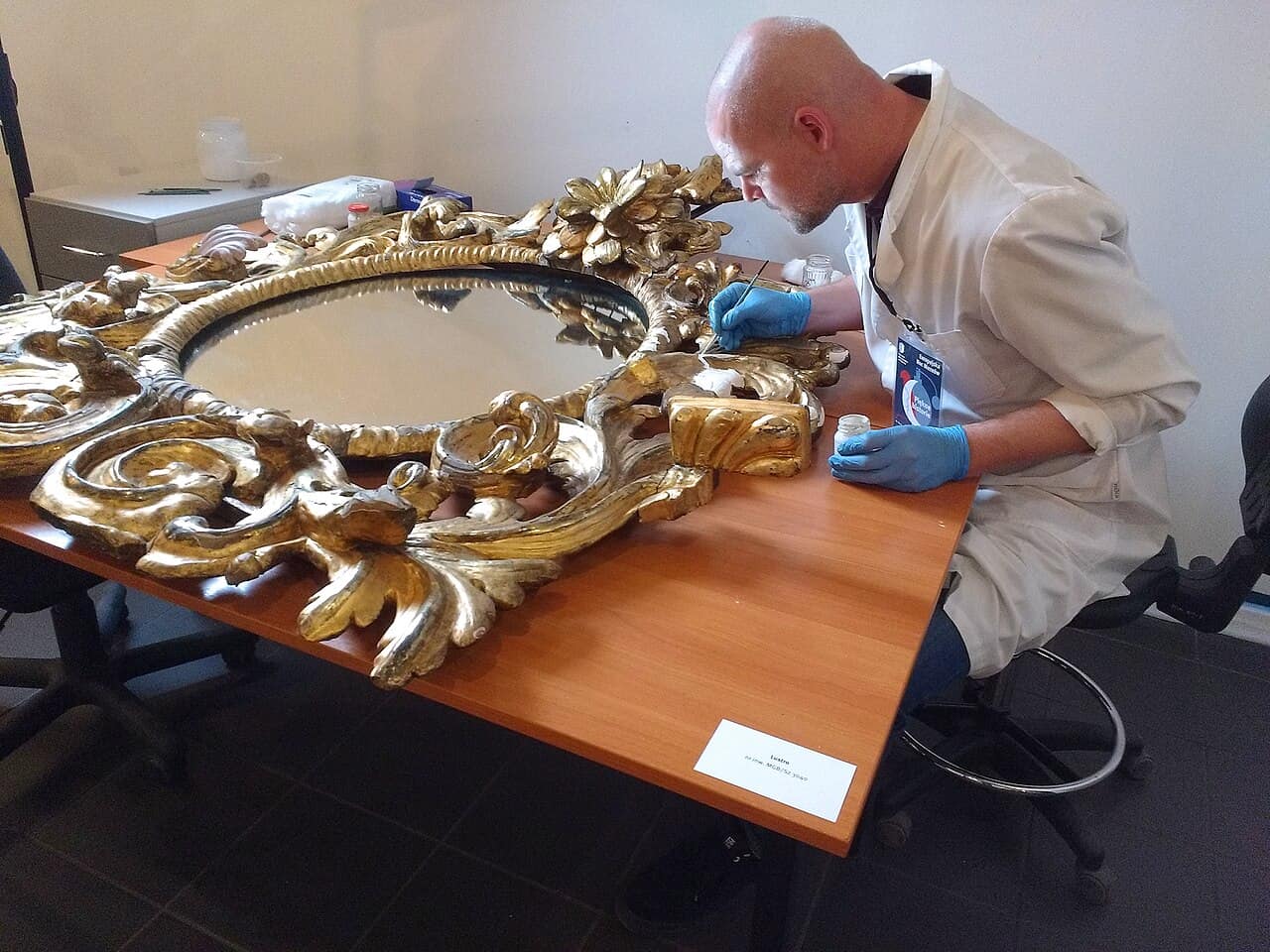
Whether you are shopping for "ancient" Roman coins in Italy, "handmade" alpaca sweaters in Peru, or "traditional" tribal masks in Kenya, the counterfeit crafts scam is everywhere. Scammers rely on your desire for authenticity and your lack of expertise to pass off factory-made junk as priceless local artistry.
Here’s how the counterfeit crafts and antiques scam works and how to ensure you're taking home the real deal.
The Illusion of Authenticity
The core of this scam is misrepresentation. Vendors know that tourists will gladly pay a premium for something if they believe a local artisan spent hours crafting it by hand.
Factory-Made "Handicrafts"
In many popular tourist markets, stall after stall sells the exact same "handmade" wooden carvings, paintings, or textiles. In reality, these items are often mass-produced in massive factories—frequently in entirely different countries, such as China or India—and shipped by the container load to tourist hotspots worldwide. The vendor will swear it was carved by their grandfather or woven by their village, when in fact it was molded from cheap resin or machine-knit thousands of miles away.
Pro Tip: If you see the exact same "unique" carving or textile in five different stalls down the street, it is not handmade. True handmade items always feature slight imperfections and variations.
The "Instant Antique"
Buying antiques abroad is a minefield. Scammers have perfected the art of making modern, mass-produced items look centuries old. They will bury statues in dirt, wash brass coins in acid to create a fake patina, and leave wood out in the sun to crack and weather.
They will then tell you a whispered story about how the item was recently unearthed by a local farmer or smuggled out of a historical site. Not only is the item completely fake, but buying genuine antiquities is often highly illegal and can land you in serious trouble with customs at the border.
Important: Never buy items claimed to be actual historical artifacts (like ancient pottery, coins, or fossils) from street vendors. If the item is real, exporting it is likely a crime. If it’s fake (which it almost certainly is), you are being ripped off.
How to Spot Fake Crafts and Antiques
To avoid paying a massive premium for a factory-made fake, you need to look closely and ask the right questions.
1. Check for Uniformity
Machine-made items are perfect; handmade items are not. Look for perfectly symmetrical lines on carvings, flawless repeating patterns in textiles, and completely uniform stitching. A hand-carved wooden bowl will have tool marks; a factory-made one will be perfectly smooth.
2. Inspect the Materials
Does the "heavy stone" carving feel suspiciously light and warm to the touch? It’s probably resin. Does the "100% pure baby alpaca" sweater feel a bit scratchy and smell slightly chemical? It’s likely a cheap acrylic blend. Does the "solid silver" jewelry leave a green mark on your skin? It's plated brass.
3. Look for the "Made In..." Sticker (or Where it Used to Be)
It sounds obvious, but occasionally you can still find a small "Made in China" sticker on the bottom of a "traditional local artifact." More often, you will find a suspicious sticky residue where the vendor hastily peeled the sticker off before putting it on display.
4. Ask About the Process
Engage the vendor. Ask them specific questions about how the item was made. What kind of wood is this? How long did it take to weave? Where is the workshop located? Scammers selling imported junk will often give vague answers, while genuine artisans will passionately explain their techniques.
Fascinating Fact: In some Central American markets, researchers found that over 80% of the "traditional Mayan textiles" sold to tourists were actually machine-woven imports manufactured in Asia.
How to Support Genuine Artisans
If you want to buy authentic local crafts, you have to bypass the tourist trap markets.
- Visit Craft Cooperatives: Look for local artisan cooperatives, women's weaving collectives, or Fair Trade certified shops. These organizations directly support the makers.
- Go to the Source: If possible, visit the villages or workshops where the crafts are actually made. Seeing the looms, carving tools, and raw materials in action is the best guarantee of authenticity.
- Accept Higher Prices: Genuine handmade goods take time, skill, and quality materials. If a price seems too good to be true for a handcrafted item, you are buying a factory fake. Pay the premium to support real art.
Frequently Asked Questions (FAQs)
Is it wrong to buy cheap, mass-produced souvenirs?
Not at all! If you just want a cheap keychain or a generic souvenir to remember your trip, buy the mass-produced item. The issue is deception—when vendors lie about an item's origin and inflate the price, tricking you into paying artisanal prices for factory goods.
Can I get my money back if I realize I bought a fake antique?
It is highly unlikely. Street vendors and market stalls rarely offer refunds, and local police will not prioritize a tourist overpaying for a souvenir. Consider it a lesson learned.
How can I verify an antique is real?
You cannot verify an antique on the street. Genuine antiques should only be purchased from certified, reputable dealers who can provide verifiable provenance, legal export documentation, and certificates of authenticity from recognized experts.
Do customs really care about fake antiques?
Yes and no. If border control suspects an item is a genuine, protected historical artifact, they will seize it and you could face massive fines or arrest, regardless of what the vendor told you. It is simply not worth the risk to buy items advertised as "recently excavated" or "ancient."
FAQ
Is it wrong to buy cheap, massproduced souvenirs?
Not at all! If you just want a cheap keychain or a generic souvenir to remember your trip, buy the massproduced item. The issue is deception—when vendors lie about an item's origin and inflate the price, tricking you into paying artisanal prices for factory goods.
Can I get my money back if I realize I bought a fake antique?
It is highly unlikely. Street vendors and market stalls rarely offer refunds, and local police will not prioritize a tourist overpaying for a souvenir. Consider it a lesson learned.
How can I verify an antique is real?
You cannot verify an antique on the street. Genuine antiques should only be purchased from certified, reputable dealers who can provide verifiable provenance, legal export documentation, and certificates of authenticity from recognized experts.
Do customs really care about fake antiques?
Yes and no. If border control suspects an item is a genuine, protected historical artifact, they will seize it and you could face massive fines or arrest, regardless of what the vendor told you. It is simply not worth the risk to buy items advertised as "recently excavated" or "ancient."
Get more practical guides like this
Follow the RSS feed or send Sahi.info to your WhatsApp circle so the practical guides keep moving.