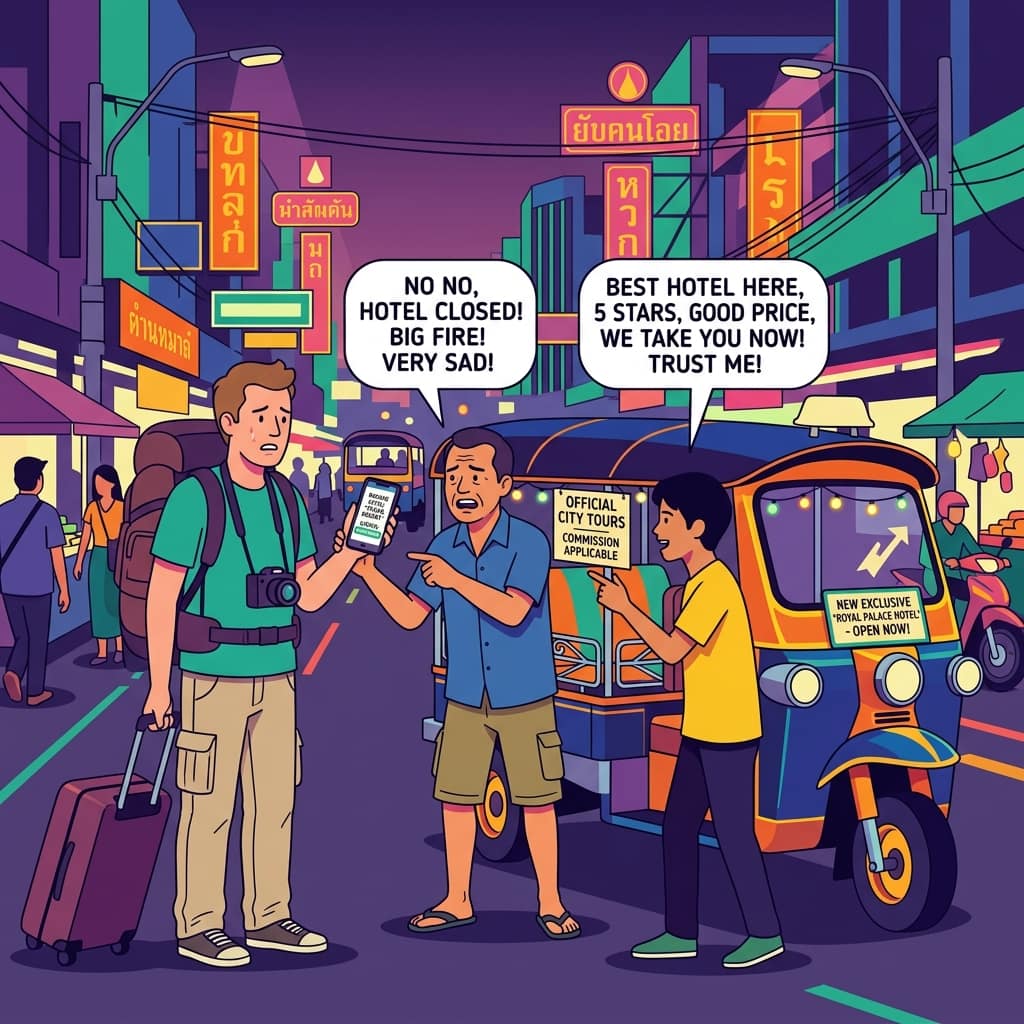
AI-Generated Fake Booking Sites: Don't Let Your Dream Vacation Become a Nightmare
Booking a dream vacation should be an exciting experience filled with anticipation, carefully planned itineraries, and the promise of unforgettable...
AI-Generated Fake Booking Sites: Don't Let Your Dream Vacation Become a Nightmare
Booking a dream vacation should be an exciting experience filled with anticipation, carefully planned itineraries, and the promise of unforgettable memories. However, the digital landscape of travel planning has become increasingly fraught with sophisticated threats. Among the most deceptive and damaging of these modern pitfalls is the rise of AI-generated fake booking sites. By leveraging advanced artificial intelligence, scammers are now creating hyper-realistic hotel and airline websites designed with one sole purpose: to steal your credit card details and personal information.
The Evolution of Travel Scams
In the past, spotting a fake website was relatively straightforward. You could often rely on telltale signs like poor grammar, low-resolution images, wonky formatting, or a suspicious URL. However, the advent of generative AI has changed the game entirely. Scammers can now use AI to generate flawless copy, generate stunningly realistic images of non-existent hotel rooms, and clone the exact layout and design of legitimate airlines or travel agencies in a matter of seconds.
These fraudulent sites are often promoted through search engine ads, social media campaigns, or phishing emails, pushing them to the top of your search results when you look for "cheap flights to Paris" or "last-minute hotels in Tokyo." The result is a seamless, convincing user experience that can easily trick even the most seasoned travelers into handing over their hard-earned money.
Pro Tip: Never click on the top "Sponsored" search results when looking for specific hotel or airline websites. Scammers frequently buy these ad spots to place their fake sites above the legitimate ones. Scroll down to the organic search results to find the authentic link.
How AI-Generated Fake Booking Sites Work
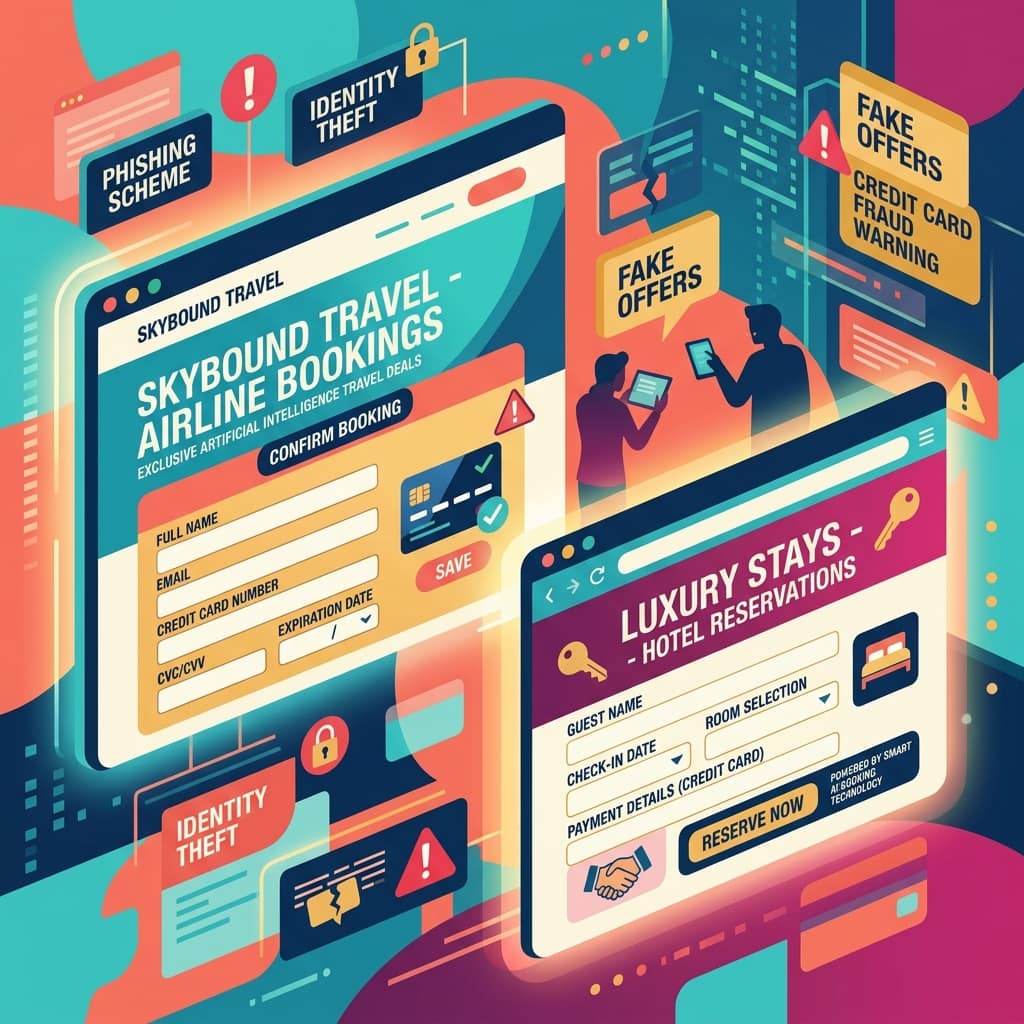
The anatomy of this scam is brilliantly insidious. First, the scammers register a domain name that closely mimics a legitimate brand (known as typosquatting). For example, they might use "Booking-reservations.com" instead of the real domain. Next, they use AI tools to scrape the real website and instantly generate a clone that looks virtually identical to the original.
When you land on the fake site, you are presented with incredible deals and limited-time offers designed to create a false sense of urgency. The site might display fake reviews—also generated by AI—praising the excellent service and unbeatable prices.
Once you select your flights or accommodation and proceed to checkout, you are prompted to enter your credit card information and personal details. The site may then display a fake "processing error" or a seemingly legitimate confirmation page. In reality, your payment information has just been sent directly to the scammers, and your "booking" does not exist. You only discover the fraud when unauthorized charges appear on your bank statement, or worse, when you arrive at your destination and find you have no place to stay.
Red Flags to Watch Out For
Despite their sophistication, AI-generated fake booking sites still leave behind subtle clues. By staying vigilant, you can spot these red flags before it's too late:
- Suspicious URLs: Always scrutinize the web address. Look for slight misspellings, unusual domain extensions (like .net or .biz instead of .com), or the addition of words like "deals," "support," or "reservations."
- Unrealistic Prices: If a deal seems too good to be true, it almost certainly is. Compare the prices on the site with those on the official airline or hotel website. A massive discount on a luxury suite or a first-class flight is a major warning sign.
- Pressure Tactics: Be wary of sites that heavily employ high-pressure sales tactics, such as flashing banners claiming "Only 1 room left!" or "Offer expires in 5 minutes!" While legitimate sites use these too, scammers abuse them to rush your decision-making process.
- Payment Methods: Fake sites often request unusual payment methods, such as cryptocurrency, wire transfers, or gift cards. A legitimate booking site will always offer standard, secure credit card payment options.
Important: Always ensure that the website connection is secure. Look for the padlock icon in your browser's address bar and check that the URL begins with "https://" rather than just "http://". While not a foolproof guarantee of legitimacy, the absence of HTTPS is a massive red flag.
What to Do If You've Been Scammed
If you realize you have fallen victim to an AI-generated fake booking site, it is crucial to act swiftly to minimize the damage:
- Contact Your Bank: Immediately call your bank or credit card issuer to report the fraudulent transaction. Request a chargeback and have them freeze or cancel your card to prevent further unauthorized charges.
- Report the Fraud: File a report with your local consumer protection agency or internet crime complaint center. Providing details about the scam can help authorities track down the perpetrators and warn others.
- Change Your Passwords: If you created an account on the fake site or used a password that you use elsewhere, change it immediately on all your accounts.
- Monitor Your Credit: Keep a close eye on your credit report and bank statements for the next few months to ensure no further identity theft occurs.
Traveling is about expanding your horizons, not falling into digital traps. By understanding the mechanics of AI-generated fake booking sites and maintaining a healthy dose of skepticism, you can protect your wallet and ensure your next adventure is memorable for all the right reasons.
Frequently Asked Questions (FAQs)
Q: Can AI really create a whole fake website? A: Yes, very easily. Modern AI tools can clone layouts, generate convincing text, and even create realistic images of fake properties in minutes, making the scam highly scalable.
Q: Will my credit card company refund me if I'm scammed? A: In most cases, yes. Credit cards offer strong fraud protection. If you report the scam promptly, you can usually get the charges reversed via a chargeback.
Q: Is it safer to book through third-party apps like Expedia or directly with the hotel? A: Both are generally safe if you are using the official apps or websites. Booking directly with the hotel often ensures better customer service if things go wrong, but established third-party sites are completely legitimate.
Q: How do scammers get their fake sites to show up on Google? A: They pay for Google Ads targeting keywords like "cheap flights to London" or the names of specific hotel chains. Search engines try to filter these out, but new fake sites constantly slip through the cracks.
Get more practical guides like this
Follow the RSS feed or send Sahi.info to your WhatsApp circle so the practical guides keep moving.