Tropical Paradise: Unveiling the Andaman and Nicobar Islands
Discover the pristine beaches, vibrant coral reefs, and lush rainforests of India's best-kept secret, the Andaman and Nicobar Islands.
The Edge of India: A Journey Through the Andaman and Nicobar Islands
The first thing that hits you is the color of the water. It isn't just blue; it's a glowing, almost electric cyan that seems to emit its own light against the dense green backdrop of the jungle. Stepping off the ferry at Swaraj Dweep (formerly Havelock Island), the thick, salt-heavy air instantly coats your skin. There is no buzzing traffic, no smog-filtered sun—only the rhythmic thud of wooden fishing boats bumping against the pier and the distant call of a sea eagle. You are roughly 1,200 kilometers from the Indian mainland, and it feels like stepping off the map.
Into the Emerald Canopy
Most visitors rush straight to the famous stretches of sand, but the true pulse of the Andamans beats in its ancient forests. I rented a battered scooter—an absolute necessity if you want the freedom to explore—and drove down the narrow, winding roads lined with towering Mahua trees. Their intertwined canopies form a natural tunnel, occasionally breaking to reveal flashes of the ocean.
When you finally emerge at Radhanagar Beach, the forest abruptly gives way to a sweeping crescent of flour-white sand. The sensory shift is staggering. The sand squeaks beneath your bare feet, and the water is warm, clear, and inviting. It’s easy to spend an entire day here doing nothing but watching the tide erase your footprints, feeling the gentle isolation of island life seep into your bones.
Fascinating Fact: Radhanagar Beach on Swaraj Dweep was famously named the "Best Beach in Asia" by Time Magazine in 2004, and it consistently retains its reputation for its breathtaking sunsets and pristine white sand.
Flavors and Faces of the Archipelago
By dusk, the salty sea breeze carries the distinct aroma of mustard oil and frying fish. The cultural tapestry of the Andamans is fascinatingly complex. It is a mini-India, shaped by indigenous tribes, early penal settlers, and refugees from the mainland.
I found myself sitting on a plastic chair at a humble roadside dhaba in a village corner. The owner, a second-generation settler with a wide, welcoming smile, served up a plate of fiery fish curry made with freshly caught snapper, alongside steaming rice and a side of coconut chutney. Over a cup of sweet, milky chai, he shared stories of the island's evolution—from a feared penal colony under British rule, symbolized by the haunting Cellular Jail in Port Blair, to a thriving, diverse community. It was a reminder that behind the postcard-perfect scenery lies a deep, resilient human history.
An Unexpected Glow
I thought the coral reefs, with their kaleidoscopic parrotfish and drifting sea turtles, would be the highlight of the trip. But the most profound moment arrived after the sun vanished. On a moonless night, a local guide led me to a quiet mangrove creek. We slid into the water in a small kayak. At first, there was only darkness and the sound of paddles breaking the surface.
Pro Tip: Don't miss a night kayaking tour through the mangroves! The bioluminescence is strongest on dark, moonless nights, making it the perfect time to experience this natural light show.
Then, I noticed it. With every stroke, the water erupted into a galaxy of tiny, glowing blue sparks. Bioluminescent phytoplankton. Dipping my hand into the water, I watched liquid starlight drip from my fingers. It was an ethereal, deeply moving experience, paddling through a living constellation hidden away in the Indian Ocean.
Navigating the Islands
Traveling here requires a bit of planning, but the effort is part of the reward. The journey begins with a flight into Port Blair, the capital, followed by government or private ferries to the outer islands like Swaraj Dweep and Shaheed Dweep (Neil Island).
Timing your visit is crucial. The window between October and May offers calm seas and clear skies, perfect for diving and ferry crossings. Monsoon season brings fierce storms that can halt inter-island travel completely.
Financially, the islands cater to various wallets. While luxury eco-resorts are growing in number, you can comfortably manage on a mid-range budget of around 4,000 to 6,000 rupees a day, which covers a cozy bamboo beach hut, scooter rental, ferry tickets, and plenty of incredible seafood.
Treading Lightly
When visiting such a fragile ecosystem, mindful travel isn't just encouraged; it's essential. The Andaman administration is strict about environmental protection—single-use plastics are largely banned, and carrying a reusable water bottle is a must.
Important: The archipelago is home to indigenous communities who live in voluntary isolation. Entering tribal reserves, attempting to contact them, or taking photographs is not only illegal but deeply unethical. Stick to permitted tourist zones.
Equally important is cultural respect. Stick to the permitted tourist zones, and treat the environment with the reverence it deserves.
A Return to the Wild
As I boarded the flight back to the mainland, looking down at the emerald specks scattered across the vast, dark ocean, I realized what makes the Andamans so captivating. It isn't just the pristine beaches or the vibrant coral reefs. It's that initial feeling at the pier—the heavy salt air, the electric cyan water, and the quiet thrill of being wonderfully, beautifully far from the world you know. The islands don't just offer an escape; they offer a return to something wilder and far more real.
Frequently Asked Questions (FAQs)
Do Indians need a passport to visit the Andaman Islands?
No, Indian citizens do not need a passport or a special permit to visit the easily accessible parts of the Andaman Islands. However, foreign nationals must carry their passports and require a Restricted Area Permit (RAP).
What is the best way to travel between the islands?
Ferries are the primary mode of transport. You can choose between slower government ferries or faster, more comfortable private catamarans like Makruzz and Green Ocean.
Is the Andaman Islands a good destination for scuba diving?
Absolutely! The Andamans offer some of the best scuba diving in India, with crystal-clear waters, vibrant coral reefs, and a rich diversity of marine life. Swaraj Dweep (Havelock) is the most popular hub for divers of all levels.
Photos
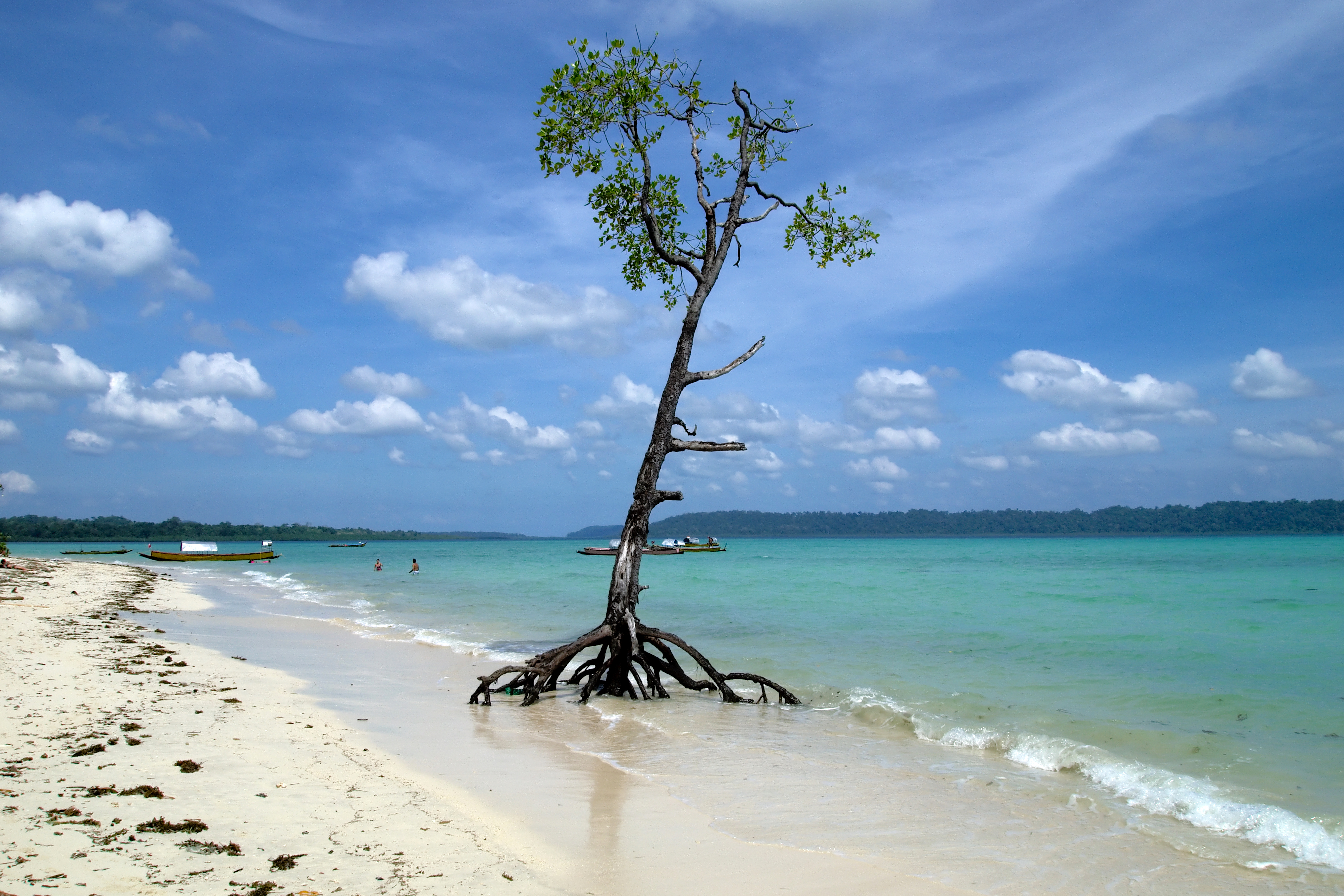
Havelock Island, Ethereal mangrove tree, Andaman Islands
Photo by Vyacheslav Argenberg on Unsplash
Havelock Island, Mangrove tree on the beach, Andaman Islands
Photo by Vyacheslav Argenberg on Unsplash
Havelock Island, Sandy lagoon, Andaman Islands
Photo by Vyacheslav Argenberg on Unsplash
Shaheed Island, Andamans, Mangrove beach, True wilderness
Photo by Vyacheslav Argenberg on UnsplashFAQ
Do Indians need a passport to visit the Andaman Islands?
No, Indian citizens do not need a passport or a special permit to visit the easily accessible parts of the Andaman Islands. However, foreign nationals must carry their passports and require a Restricted Area Permit (RAP).
What is the best way to travel between the islands?
Ferries are the primary mode of transport. You can choose between slower government ferries or faster, more comfortable private catamarans like Makruzz and Green Ocean.
Is the Andaman Islands a good destination for scuba diving?
Absolutely! The Andamans offer some of the best scuba diving in India, with crystalclear waters, vibrant coral reefs, and a rich diversity of marine life. Swaraj Dweep (Havelock) is the most popular hub for divers of all levels.
Get more practical guides like this
Follow the RSS feed or send Sahi.info to your WhatsApp circle so the practical guides keep moving.