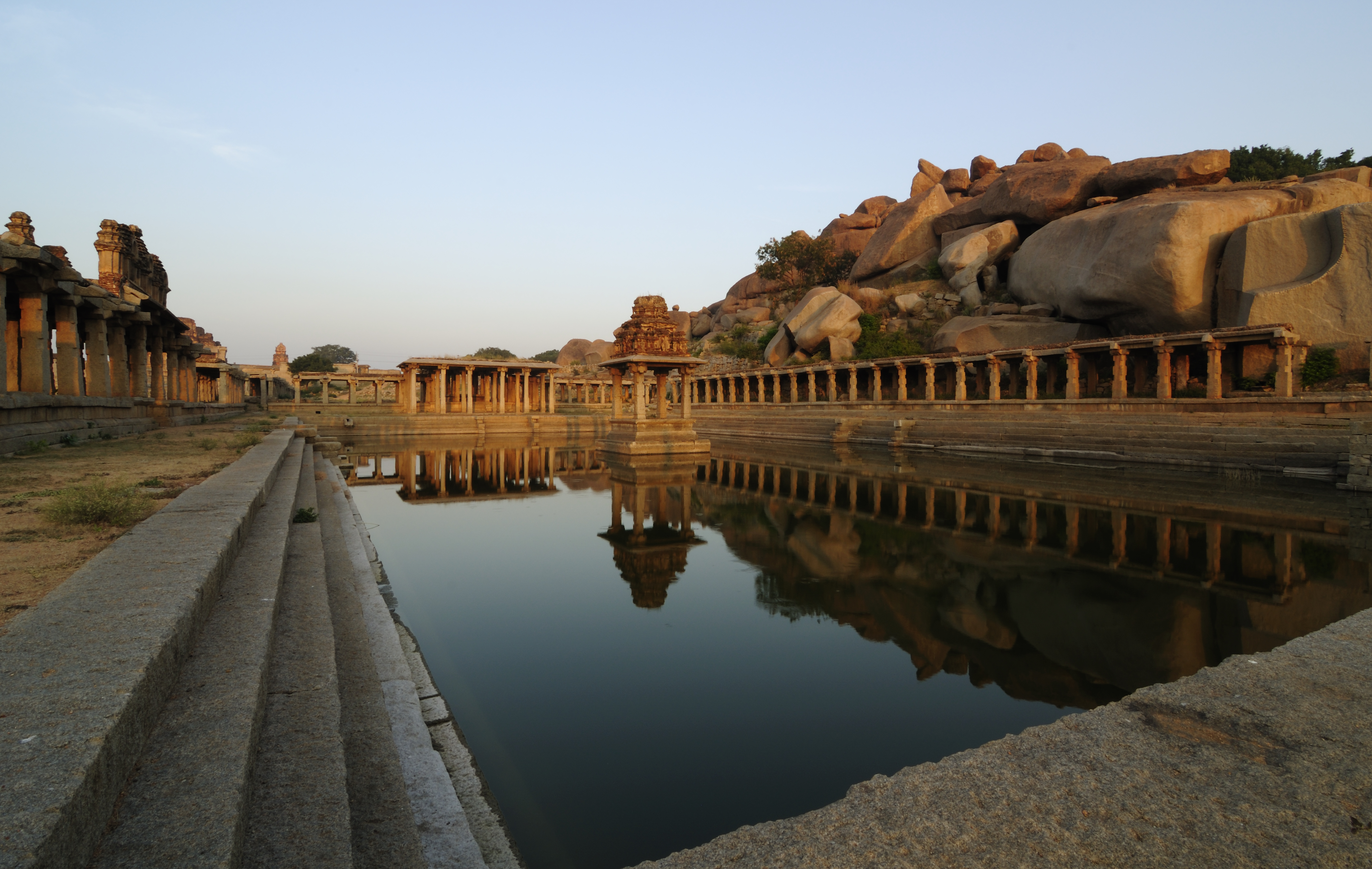
Stepping Back in Time at the Hampi Ruins
Wander through the boulder-strewn landscapes of Karnataka and discover the spectacular remnants of the Vijayanagara Empire at Hampi.
Whispers in the Stones: A Journey Through the Ruins of Hampi
The sky above Matanga Hill doesn't just brighten; it bleeds into hues of bruised purple and fierce apricot. I am sitting breathless on a slab of granite that feels older than time itself, watching the morning mist peel away from the Tungabhadra River.
Below me, a landscape of gravity-defying boulders and intricately carved temple spires stretches out like a forgotten kingdom. This is Hampi, the once-glorious capital of the Vijayanagara Empire, and in this quiet, wind-swept moment, it feels entirely mine.
Fascinating Fact: At its peak in the 1500s, Hampi was one of the largest and richest cities in the world, attracting traders from as far away as Portugal and Persia.
Walking Through a Fractured Myth
Stepping into Hampi is less like visiting a historical site and more like walking straight into a living, breathing tapestry. The crunch of gravel beneath my boots echoes through the Royal Enclosure, where kings once weighed themselves against gold and precious stones.
Near the active Virupaksha Temple, the rhythmic tapping of modern stone carvers rings out, a metallic heartbeat that proves the city’s ancient artisanship is far from dead. The air here is heavy with the scent of jasmine garlands and sandalwood incense, mingling with the earthy smell of the river.
A Feast for the Senses
By midday, the heat of the Deccan plateau demands a retreat. I found refuge in a modest, family-run eatery tucked behind a row of crumbling pavilions. The kitchen hummed with the sound of sputtering mustard seeds and the sharp, citrusy fragrance of fresh curry leaves.
Here, lunch is not just a meal but an event: a sprawling South Indian thali served on a freshly cut banana leaf. Scooping up vibrant vegetable palyas and tangy rasam with soft, fermented dosa, I shared smiles with the owner, who insisted I try her homemade mango pickle. It was a fiery, unforgettable taste of local hospitality.
Pro Tip: When eating a traditional thali on a banana leaf, always fold the top half of the leaf over the bottom half toward you when you are finished. It is a sign of appreciation for the meal!
An Unexpected Encounter by the River
Wandering away from the famous Vittala Temple and its legendary stone chariot, I followed a narrow, overgrown goat path toward the riverbank. Most travelers stick to the paved routes, but here, half-hidden by thick river reeds, I stumbled upon a series of Shiva lingams carved directly into the flat bedrock.
The river lapped gently over them, a quiet, centuries-old ritual of water and stone that wasn't marked on any of my tourist maps. There were no crowds, no guides—just the rushing water and these sacred carvings. It was a stark reminder that in Hampi, history isn't just in the monuments; it's carved into the very earth.
Navigating the Ancient City
Such a sprawling, rugged landscape requires a bit of planning to truly enjoy.
When to Arrive
The brutal summer sun makes the cooler winter months—from November to February—the absolute best time to explore.
Getting There
Getting here is a classic Indian adventure; I took the comfortable overnight Hampi Express train from Bangalore to the nearby town of Hospet, followed by a breezy, thirty-minute auto-rickshaw ride through banana plantations into the ruins.
Resting Your Head
For accommodation, you have two distinct atmospheres to choose from. You can stay in the heritage town of Kamalapur for easy access to the historical monuments, or cross the river to Sanapur for a more laid-back guesthouse experience surrounded by lush paddy fields.
Hampi is incredibly kind to the wallet, with a very comfortable daily budget of around $30 to $50 covering a clean room, hearty meals, and daily auto-rickshaw rentals.
Important: Bring enough cash with you from Hospet, as ATMs are virtually nonexistent among the ruins.
Safety and Etiquette
While exploring, remember that this is a sacred, living landscape. Modest dress is essential—ensure your shoulders and knees are covered before entering the active temples to respect local etiquette. The trails can be uneven and the sun unforgiving, so a sturdy pair of walking shoes and a constant supply of drinking water are your best friends.
The Weight of Memory
As evening falls, I find myself back among the boulders, this time near the Hemakuta Hill pavilions, watching the sun dip below the horizon. The apricot sky of the morning has deepened into a fiery crimson, casting long, dark shadows over the sprawling ruins.
I place my hand on a sun-warmed stone pillar, feeling the rough texture under my fingertips. Hampi is a place of ruin, yes, but standing here in the cooling twilight, it doesn't feel defeated. The stones are still whispering the stories of a magnificent past, waiting patiently for anyone willing to listen.
Frequently Asked Questions (FAQs)
Why are there so many boulders in Hampi?
The gravity-defying boulders are natural granite formations that date back millions of years. According to Hindu mythology, they were thrown by warring monkey armies from the epic Ramayana.
How long does it take to see the ruins?
You need a minimum of two full days to see the main highlights, but three to four days is recommended to explore both the monumental side and the relaxed river side without rushing.
Is the stone chariot in Vittala Temple carved from a single rock?
No, despite its appearance, the famous chariot is built from several massive granite blocks cleverly joined together, with the joints hidden within the intricate carvings.
Photos

Hampi, India, Lotus Mahal
Photo by Vyacheslav Argenberg on Unsplash
Hampi, India, Rocky landscape of Hampi, Granite rocks of Matanga Hill
Photo by Vyacheslav Argenberg on Unsplash
Hampi, India, Temple on top of Matanga Hill
Photo by Vyacheslav Argenberg on Unsplash
Hampi - Uddana Veerabhadra Temple - Hanuman - 2
Photo by Ingo Mehling on UnsplashFAQ
Why are there so many boulders in Hampi?
The gravitydefying boulders are natural granite formations that date back millions of years. According to Hindu mythology, they were thrown by warring monkey armies from the epic Ramayana.
How long does it take to see the ruins?
You need a minimum of two full days to see the main highlights, but three to four days is recommended to explore both the monumental side and the relaxed river side without rushing.
Is the stone chariot in Vittala Temple carved from a single rock?
No, despite its appearance, the famous chariot is built from several massive granite blocks cleverly joined together, with the joints hidden within the intricate carvings.
Get more practical guides like this
Follow the RSS feed or send Sahi.info to your WhatsApp circle so the practical guides keep moving.