Navigating the Tranquil Kerala Backwaters
Experience the serene beauty of the Kerala Backwaters, a network of interconnected canals, rivers, and lakes that offer a unique glimpse into the soul of God's Own Country.
Adrift in the Emerald Labyrinth: Cruising the Kerala Backwaters
The air smelled of damp earth and crushed cardamom as the first light of dawn broke over Vembanad Lake. Through the morning mist, the silhouette of a solitary fisherman casting his net looked like an ink wash painting come to life.
The only sound was the rhythmic splash of a bamboo pole steering our wooden canoe through the emerald labyrinth. This wasn't the India of frantic auto-rickshaws and sensory overload; this was a secret world moving at the pace of the tides.
Fascinating Fact: The Kerala backwaters form an intricate network of over 900 kilometers of interconnected canals, rivers, lakes, and inlets formed by the waves and shore currents of the Arabian Sea.
Trading Roads for Rivers
Leaving the bustling streets of Alleppey behind, stepping onto the woven coir deck of a traditional kettuvallam feels like exhaling a breath you didn't know you were holding. These converted rice barges, with their curved thatched roofs and dark wooden hulls, serve as floating homes.
As we drifted down the palm-fringed canals, the transition from land to water felt absolute. The scent of roasting spices wafted from the boat's tiny galley. The cook, a local named Thomas, was already preparing a traditional Kerala sadhya, tempering mustard seeds and curry leaves in hot coconut oil.
Watching the shoreline glide by—children in pristine uniforms waving on their way to school, women washing clothes on stone steps—I felt less like a tourist and more like a quiet observer of a deeply aquatic way of life.
Beyond the Postcard
Most travelers stay on the main waterways, enjoying the luxury of their massive houseboats. But the real magic happens in the capillary-like narrow canals where the grand vessels simply cannot fit. Transferring to a smaller, non-motorized skiff one afternoon led to an unexpected detour.
Deep in the backwater villages, I met Leela, a woman sitting on the muddy banks spinning coir—a tough fiber extracted from coconut husks—into thick rope using a hand-cranked wooden wheel. It is backbreaking work, yet she offered me a piece of sweet, sticky jackfruit with a calloused, welcoming hand.
Further down the canal, my guide pointed out a rustic local shaap, or toddy shop. Inside this inconspicuous wooden shack, I braced myself for the legendary fiery fish curry, tempered only by sips of fresh, mildly intoxicating palm wine tapped straight from the coconut trees that very morning. It was an explosion of sour kokum and sharp chilies that no sanitized hotel buffet could ever replicate.
Pro Tip: Don't miss out on trying fresh palm toddy. But drink it before midday! Toddy ferments rapidly in the heat; what is sweet in the morning becomes quite sour and alcoholic by the afternoon.
Navigating the Emerald Maze
If you are plotting your own escape into this watery Eden, timing is everything.
When to Arrive
The air is crisp and forgiving between November and February, making it the ideal window to visit. While the dramatic monsoon rains of June to August are perfect for traditional Ayurvedic retreats, they can turn houseboat cruising into a rather soggy affair.
Getting There
Reaching the backwaters is surprisingly straightforward. Fly into Kochi (Cochin) International Airport, and a two-hour taxi ride will drop you right at the boat jetties of Alleppey or the quieter shores of Kumarakom.
Budget and Accommodation
When it comes to budgeting, the backwaters cater to all. An overnight stay on a private houseboat can run anywhere from $100 to $300 a night depending on the luxury level. However, budget-conscious wanderers can book charming waterside homestays for a fraction of the cost and use the government public ferries to explore the canals for mere pennies.
Tips and Etiquette
When stepping off your boat to wander through the villages, remember to dress modestly—covering shoulders and knees—to respect the conservative local culture. Always ask before photographing the locals, though you will usually be met with an enthusiastic nod.
Important: Pack a reliable mosquito repellent. The tropics are unforgiving at dusk, and you'll want to enjoy your evenings on the deck in peace without swatting away bugs.
The Rhythm of the Tides
As night fell, the waters turned inky black, mirroring the starlit sky above. Sitting on the deck, I listened to the gentle lap of water against the hull, a stark contrast to the cacophony of the modern world I had left behind.
The backwaters do not just offer a scenic cruise; they teach you how to slow down. Remembering that solitary fisherman from the morning mist, I realized that true luxury is not found in high-speed connections or frantic itineraries. It is found right here, in the quiet, unhurried rhythm of a bamboo pole navigating the stillness.
Frequently Asked Questions (FAQs)
What is a kettuvallam?
A kettuvallam is a traditional houseboat of Kerala. Originally used as barges to transport rice and spices across the waterways, today they are outfitted with modern amenities for eco-tourism.
Is it safe to eat at a local toddy shop?
Yes, for adventurous eaters! The food is authentic and very fresh, but beware that it is notoriously spicy. If you have a sensitive stomach, you might want to stick to the meals prepared on your houseboat.
Are the houseboats air-conditioned?
Most mid-range to luxury houseboats offer air-conditioning in the bedrooms, which is usually turned on in the evening (from 8 PM to 6 AM) to conserve the boat's power.
Photos
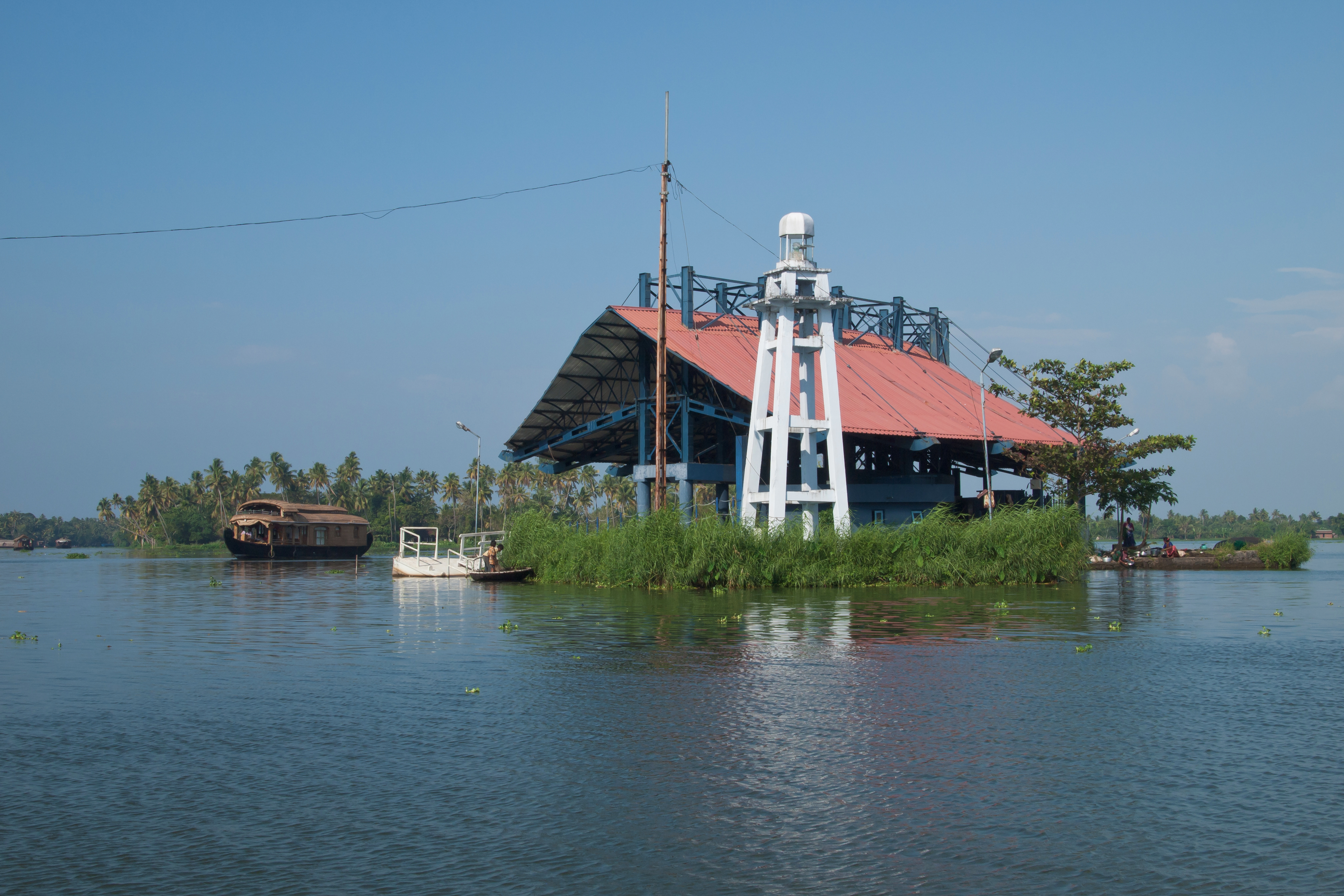
Kerala backwaters, House, India
Photo by Vyacheslav Argenberg on Unsplash
Kerala backwaters, Palm trees, India
Photo by Vyacheslav Argenberg on Unsplash
Kerala backwaters, Canal, Palm trees, India
Photo by Vyacheslav Argenberg on Unsplash
Kerala backwaters, Houseboats, India
Photo by Vyacheslav Argenberg on UnsplashFAQ
What is a kettuvallam?
A kettuvallam is a traditional houseboat of Kerala. Originally used as barges to transport rice and spices across the waterways, today they are outfitted with modern amenities for ecotourism.
Is it safe to eat at a local toddy shop?
Yes, for adventurous eaters! The food is authentic and very fresh, but beware that it is notoriously spicy. If you have a sensitive stomach, you might want to stick to the meals prepared on your houseboat.
Are the houseboats airconditioned?
Most midrange to luxury houseboats offer airconditioning in the bedrooms, which is usually turned on in the evening (from 8 PM to 6 AM) to conserve the boat's power.
Get more practical guides like this
Follow the RSS feed or send Sahi.info to your WhatsApp circle so the practical guides keep moving.