Tirthan Valley Travel Guide: Everything You Need to Know Before You Go
Tirthan Valley is Himachal Pradesh's quieter, greener alternative to Manali — dense forests, a trout river, UNESCO wilderness, and homestays starting at ₹800 a night. Here is exactly how to plan it.
The River's Secret: Finding Stillness in Tirthan Valley
Before you even open your eyes, the valley introduces itself through sound. It is a continuous, rushing roar that reverberates through the cedar floorboards of the homestay—the song of the Tirthan River carving its way through the mountains. Stepping onto the balcony with a steaming cup of cardamom chai, I watched the morning mist slowly untangle itself from the dense pine forests of Himachal Pradesh. There were no blaring horns, no crowded view points. Just the cold, sharp air and the promise of a quiet world.
Leaving the Crowds Behind
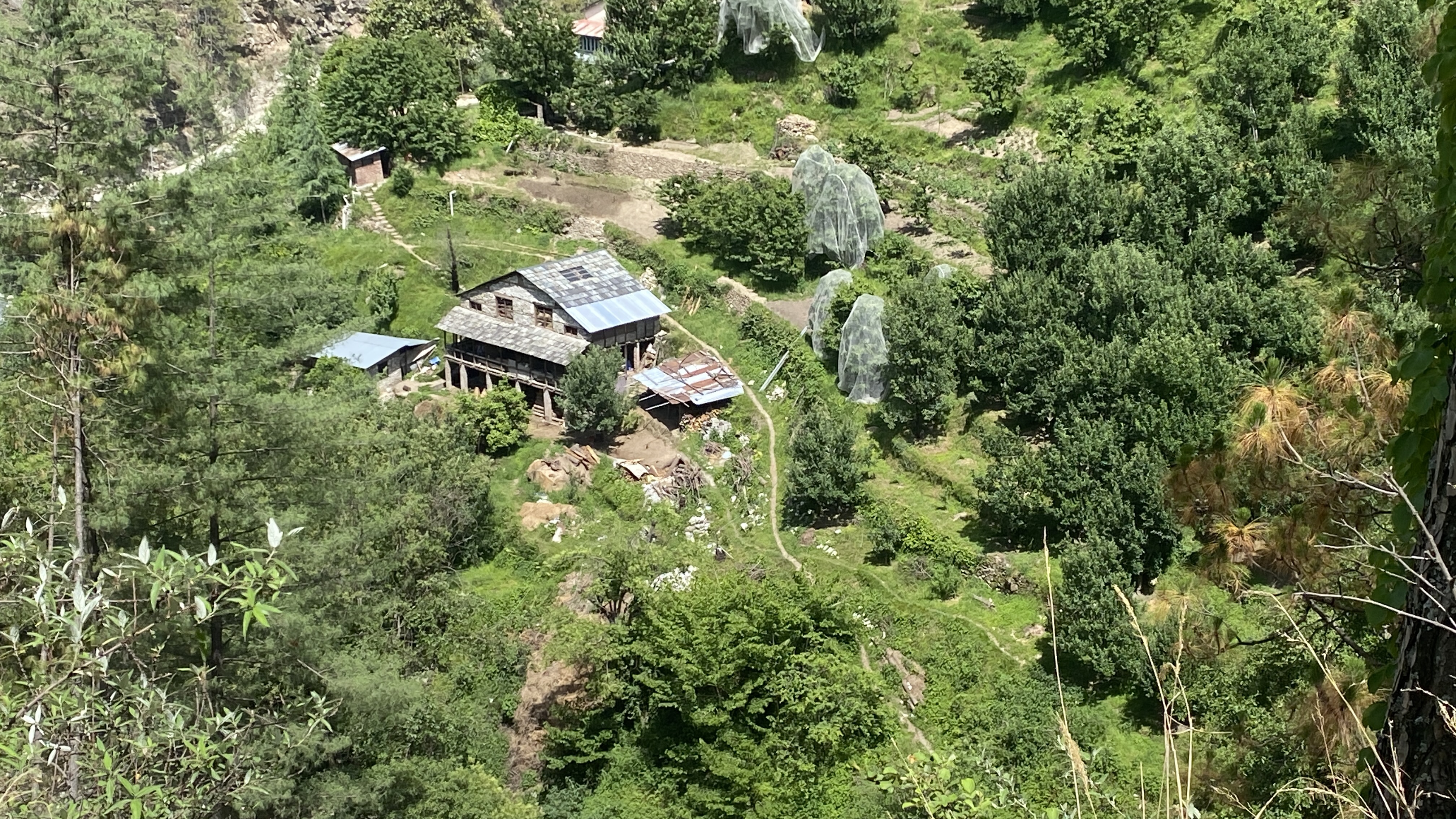
To find this pocket of serenity, you have to deliberately step off the beaten path. Most travelers driving up the highway rush straight through the Aut tunnel toward the busy cafes of Manali. But if you take the narrow, winding road that diverges just before the tunnel, the landscape shifts almost immediately. The air turns crisper, the commercial hotels fade into traditional Kath-Kuni style stone and wood houses, and the river becomes your constant, winding companion. You are entering the gateway to the Great Himalayan National Park, a UNESCO World Heritage site that protects some of the most pristine alpine ecosystems in the world.
Pro Tip: If you get motion sickness, the road diverging from Aut tunnel towards Tirthan is quite winding and narrow. Keep some ginger candy or medication handy, and take it slow to enjoy the transforming scenery.
A Taste of the Mountains
Life in Tirthan Valley revolves around the river and the seasons. The locals, deeply rooted in their Pahari traditions, welcome outsiders with a warmth that feels entirely genuine. One afternoon, my homestay host insisted I sit by the traditional wood-fired stove, known as a tandoor, while she prepared a local specialty. She served me Siddu—a steamed bread stuffed with crushed walnuts and local herbs, drenched in homemade ghee. It was heavy, earthy, and exactly what my body needed after a long walk. Later that evening, we shared a dinner of fresh rainbow trout, lightly pan-fried with mustard oil and simple spices, a staple of the region thanks to the valley's clear, glacial waters.
The Forest of Gods and Towers
While the pristine nature is Tirthan's main draw, my most unexpected discovery was a quiet architectural marvel hidden deep in the forest. After a steep, winding hike through apple orchards and dense cedar woods, I emerged into a small clearing to find Chehni Kothi. This towering, multi-story structure is made entirely of interlocking stone and wood, built centuries ago without a single iron nail. Standing beneath the ancient watchtower, which locals revere as a sacred space for the regional deity, I felt a profound sense of history. It was a stark reminder that these mountains hold complex, ancient civilizations long forgotten by the modern world.
Fascinating Fact: Chehni Kothi is one of the tallest standing structures of its kind in the Western Himalayas. Originally soaring even higher, it remarkably survived the devastating 1905 Kangra earthquake due to its flexible, interlocking timber-and-stone Kath-Kuni construction!
Navigating Your Own Journey
Experiencing Tirthan Valley doesn't require a grueling expedition, but it does reward a little planning. The valley is most welcoming during the spring months of March to June, when the apple orchards are blooming and the days are pleasantly warm. Alternatively, autumn (September to November) offers clear, crisp skies perfect for spotting distant snow peaks, safely avoiding the heavy monsoon rains and potential landslides of July and August.
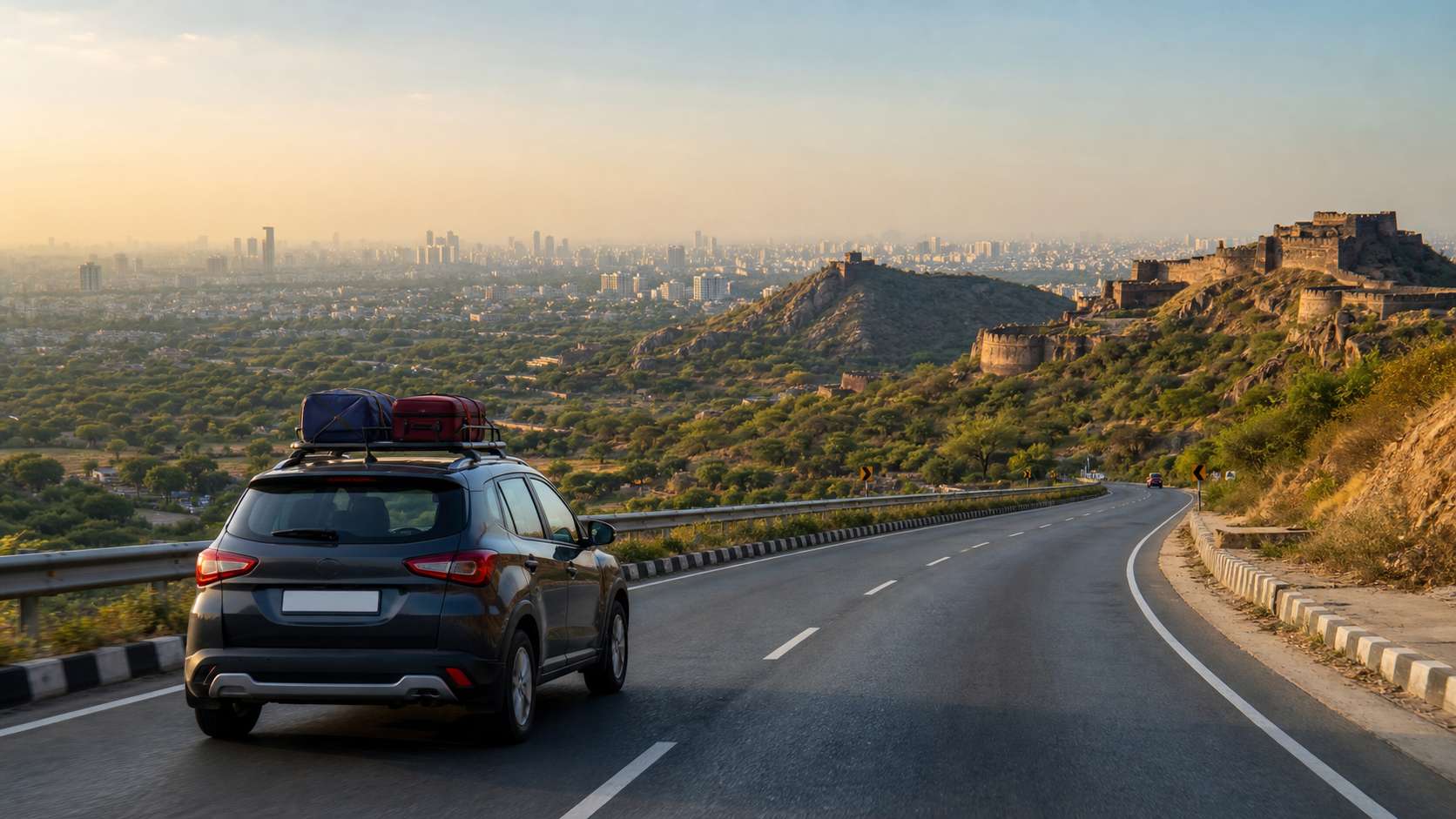
Reaching this quiet corner is an adventure in itself. The nearest airport is in Bhuntar, about two hours away, but most visitors take an overnight bus from Delhi or Chandigarh to the Aut tunnel. From there, you can easily hire a local taxi or hop on a local bus heading towards Gushaini, the primary village in the valley.
You won't find luxury resorts here, and that is exactly the point. Accommodation primarily consists of family-run homestays and eco-lodges, which cost anywhere from ₹1,500 to ₹3,500 per night, including home-cooked meals. This makes it an incredibly accessible destination for a moderate budget.
Important: The culture here is deeply spiritual. Always ask before photographing people, and never enter the sacred groves or temple premises without permission—or shoes on. Most importantly, carry a reusable water bottle and bring all your plastic waste back out with you to protect the delicate ecosystem.
The Echo of the River
On my final morning, I walked down to the edge of the Tirthan River one last time. Sitting on a smooth, grey boulder, I dipped my hand into the glacial water. The cold shock was immediate and awakening. I listened to the rushing current—the exact same sound that had woken me on my very first day. It is rare to find a place that asks nothing of you except to sit, listen, and simply be. Tirthan Valley doesn’t just offer a temporary escape from the noise of the world; it replaces it with a rhythm you’ll carry with you long after you leave.
Frequently Asked Questions (FAQs)
Q: Do I need a permit to visit the Great Himalayan National Park? A: Yes, if you plan to trek deep into the core zone of the national park, you will need to obtain a permit from the forest office in Sai Ropa. However, the buffer zone and many surrounding villages can be explored without one.
Q: Is there strong mobile network connectivity in Tirthan Valley? A: Connectivity is notoriously spotty. Jio and BSNL tend to work best in certain pockets like Gushaini and Banjar, but be prepared for a digital detox for most of your trip.
Q: Can I go trout fishing in the Tirthan River? A: Yes! Trout fishing is a popular activity, but it requires a permit from the local fisheries department, which your homestay host can usually help you arrange. Catch-and-release is often encouraged to preserve the fish population.
Get more practical guides like this
Follow the RSS feed or send Sahi.info to your WhatsApp circle so the practical guides keep moving.