Things to Do in Kullu Valley: The Ultimate First-Timer’s Guide
Discover the best things to do in Kullu Valley, from white-water rafting on the Beas River to ancient temples. Plan your perfect Himalayan escape today.
The rush of the glacial Beas River echoes against towering pine forests long before you actually see the water. For decades, travelers have treated this stretch of the Himalayas merely as a transit corridor—a blur of scenic windows on the winding bus ride up to Manali or Rohtang Pass. But those who hit the brakes and step out discover a world of ancient mythology, adrenaline-pumping rapids, and quiet apple orchards that rival any postcard from the Alps.
Known historically as Kulanthpitha—the "end of the habitable world"—this gorge carved by the Beas River feels less like an endpoint and more like a beginning. Whether you are looking to conquer river rapids, trace the wooden architecture of mountain kingdoms, or simply sit under a deodar tree and watch the mist roll in, Kullu demands its own dedicated itinerary.
Here is everything you need to know about the best things to do in Kullu Valley for an unforgettable first-time visit.
Why Kullu is More Than Just a Transit Town
Many itineraries lump Kullu and Manali together as a single destination. While Manali sits at the very top of the valley offering high-altitude snow and backpacker cafes, Kullu (about 40 kilometers south) operates on a different frequency. The altitude here is lower (around 1,200 meters), meaning the valleys are wider, the weather is milder, and the orchards are impossibly lush.
Kullu has a distinct rhythm. It is a place of hand-woven shawls, wooden temples with intricate carvings, and a deep-rooted spiritual culture that earned the region the moniker "Valley of the Gods." If Manali is where you go for snow, Kullu is where you go for culture and river-based adventure.
Top Things to Do in Kullu Valley
1. Conquer the White Water of the Beas River
If there is one activity synonymous with Kullu, it is river rafting. The stretch of the Beas River from Pirdi (just south of Kullu town) down to Jhiri offers some of the most accessible and thrilling white-water rafting in India. The rapids range from Grade II to III, making it an exhilarating experience that is still safe for first-timers.
The icy water crashing over the raft, the sudden drops, and the spectacular mountain scenery rushing by make this a non-negotiable experience. Most runs take about an hour and cover roughly 14 kilometers.
Fascinating Fact: The Beas River is believed to be the historical Hyphasis, the easternmost limit of Alexander the Great's conquests in 326 BC. His troops reportedly refused to cross it, forcing him to turn back.
2. Trek to the Lightning-Struck Bijli Mahadev Temple
Perched on a ridge at an altitude of 2,460 meters, the Bijli Mahadev Temple is one of the most intriguing sacred sites in the Himalayas. The temple is dedicated to Lord Shiva, and its defining feature is a towering 60-foot wooden staff (trishul). According to local legend, this staff attracts divine lightning to protect the valley.
When lightning strikes, it shatters the stone Shiva Lingam inside the temple. The local priests then painstakingly piece it back together using butter as an adhesive, and miraculously, the stone fuses back into one piece.
The trek up to the temple from the base village of Chansari takes about two to three hours. It leads you through thick pine forests and opens up to a 360-degree panoramic view of the Kullu and Parvati valleys.
3. Step Back in Time at Naggar Castle
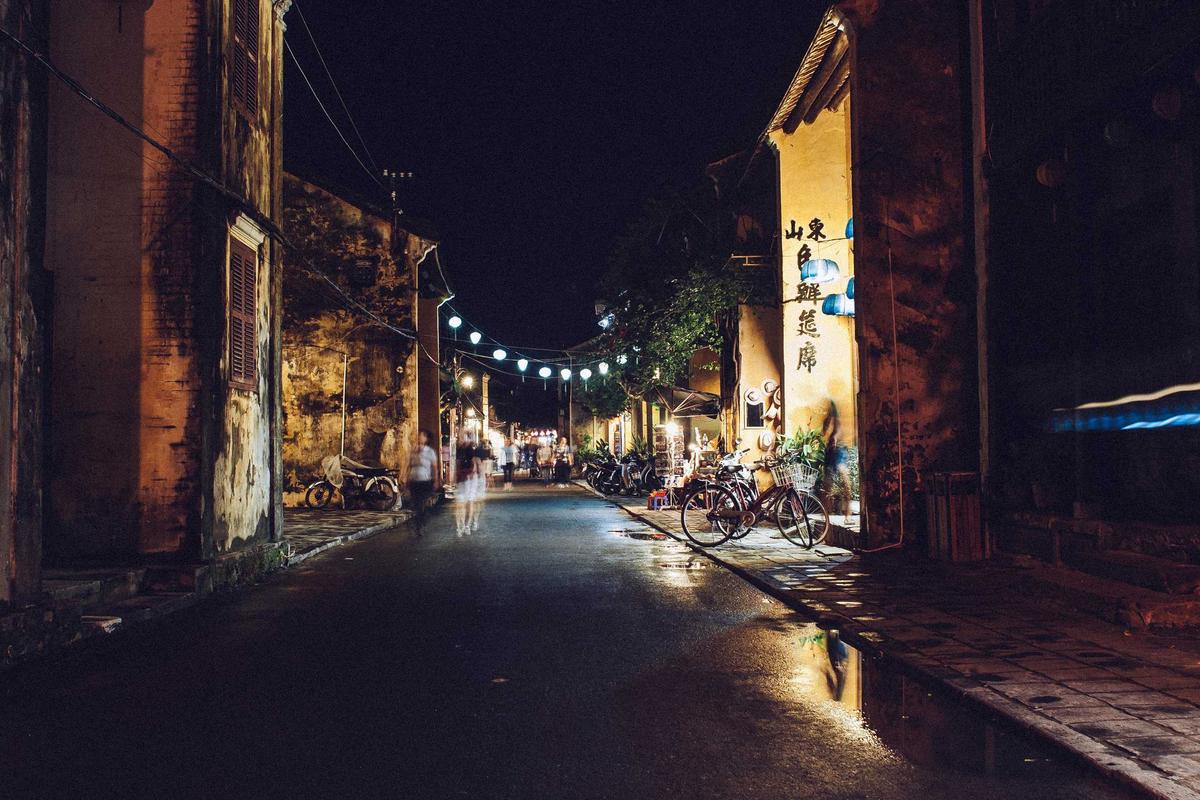
Located slightly off the main highway between Kullu and Manali, Naggar was the capital of the Kullu kingdom for over 1,400 years. The centerpiece of this quiet town is Naggar Castle, a 15th-century stone and wood mansion built in the traditional Kath Kuni architectural style—an ingenious earthquake-resistant technique utilizing interlocking wooden beams and stone without any cement.
Today, it operates as a heritage hotel run by the state tourism board, but visitors can still wander its courtyards, admire the intricate wood carvings, and take in the spectacular view of the Roerich Art Gallery nearby.
4. Experience the Grandeur of Kullu Dussehra
If you are timing your visit, trying to align it with October is one of the best travel decisions you can make. While the rest of India concludes the festival of Dussehra by burning effigies of Ravana, in Kullu, the festival is just beginning.
Over 200 local deities from neighboring villages are carried on beautifully decorated palanquins down to the Dhalpur Maidan in Kullu town to pay their respects to the presiding deity, Lord Raghunath. The result is a week-long carnival of music, traditional dance, and a vibrant showcase of Himachali culture. It is a spectacle of faith and community that you will not find anywhere else in the world.
5. Shop for Authentic Kullu Shawls
You cannot leave the valley without running your hands over the famous Kullu shawls. Known for their intricate geometric patterns woven in bright colors against earthy backgrounds (traditionally white, grey, or brown), these shawls are more than just souvenirs; they are pieces of wearable art.
Skip the tourist traps and head to the Bhuttico weaving cooperative in Bhuntar (just south of Kullu). Here, you can watch the weavers at their looms and purchase authentic, hand-woven shawls directly from the source, knowing your money supports the local artisans.
Practical Information for First-Timers
The Best Time to Visit Kullu
The valley changes its outfit with the seasons, but the optimal windows for a visit are March to June and September to November.
- Spring/Summer (March - June): The weather is pleasant (15°C to 25°C), the apple orchards are blooming, and the river is perfect for rafting.
- Autumn (September - November): The skies are crystal clear, the temperatures are crisp, and this period perfectly coincides with the legendary Kullu Dussehra festival.
- Avoid the Monsoons (July - August): Heavy rains cause landslides and the Beas River swells to dangerous levels, halting all water activities.
How to Reach Kullu
- By Air: The Kullu-Manali Airport (KUU) is located in Bhuntar, about 10 km south of Kullu town. It has limited connectivity, mostly flights from Delhi.
- By Road: This is how most people arrive. The drive from Delhi (approx. 500 km) takes about 12-14 hours. Overnight Volvo buses run daily from Delhi and Chandigarh, offering a comfortable (if winding) journey up the mountains.
Where to Stay in Kullu
While the main town of Kullu (around Dhalpur Maidan) is convenient for transport, it can be crowded. For a more serene experience, look for guesthouses and boutique stays in nearby villages like Raison or Naggar, which sit right on the banks of the river or tucked into the hillside orchards.
A Valley That Invites You to Linger
It is tempting to look at a map and view Kullu merely as a stepping stone on a larger Himalayan journey. But those who pause to listen to the roar of the Beas, hike through the pine-scented trails of Bijli Mahadev, or trace the centuries-old carvings in Naggar Castle quickly realize the truth.
The Valley of the Gods doesn't just offer a list of things to do in Kullu Valley; it offers a profound shift in pace. So on your next trip to the mountains, don't just pass through. Stop, breathe the crisp air, and let the valley reveal its secrets.
Frequently Asked Questions (FAQs)
What is Kullu famous for?
Kullu is most famous for its stunning Himalayan landscapes, the Beas River (which offers excellent white-water rafting), its intricate hand-woven Kullu shawls, and the magnificent week-long Kullu Dussehra festival held every autumn.
How many days are enough for Kullu?
For a first-time visit, 2 to 3 days is ideal to experience the main highlights. This gives you enough time to go river rafting, hike to the Bijli Mahadev temple, explore Naggar Castle, and shop for local handicrafts without rushing.
Which is better: Kullu or Manali?
Neither is objectively better; they serve different travel styles. Manali is higher in altitude, colder, offers snow activities, and has a buzzing backpacker vibe. Kullu is lower, milder in weather, heavily focused on river adventures (rafting), and offers a deeper dive into traditional Himachali culture. Most travelers visit both on the same trip.
Is river rafting safe in Kullu?
Yes, river rafting in Kullu (specifically the stretch near Pirdi) is generally safe and ideal for beginners. The rapids are typically Grade II and III. However, always ensure you book with a licensed operator who provides proper safety gear, and avoid rafting during the monsoon season (July-August) when water levels are dangerously high Always check current local safety regulations before booking..
Can we see snow in Kullu?
While Kullu town itself rarely receives heavy snowfall due to its lower altitude (around 1,200m), you can often see snow-capped peaks surrounding the valley, especially in winter. For guaranteed snow experiences, you will need to drive further up to Manali, Solang Valley, or Rohtang Pass.
FAQ
What is Kullu famous for?
Kullu is most famous for its stunning Himalayan landscapes, the Beas River (which offers excellent whitewater rafting), its intricate handwoven Kullu shawls, and the magnificent weeklong Kullu Dussehra festival held every autumn.
How many days are enough for Kullu?
For a firsttime visit, 2 to 3 days is ideal to experience the main highlights. This gives you enough time to go river rafting, hike to the Bijli Mahadev temple, explore Naggar Castle, and shop for local handicrafts without rushing.
Which is better: Kullu or Manali?
Neither is objectively better; they serve different travel styles. Manali is higher in altitude, colder, offers snow activities, and has a buzzing backpacker vibe. Kullu is lower, milder in weather, heavily focused on river adventures (rafting), and offers a deeper dive into traditional Himachali culture. Most travelers visit both on the same trip.
Is river rafting safe in Kullu?
Yes, river rafting in Kullu (specifically the stretch near Pirdi) is generally safe and ideal for beginners. The rapids are typically Grade II and III. However, always ensure you book with a licensed operator who provides proper safety gear, and avoid rafting during the monsoon season (JulyAugust) when water levels are dangerously high Always check current local safety regulations before booking..
Can we see snow in Kullu?
While Kullu town itself rarely receives heavy snowfall due to its lower altitude (around 1,200m), you can often see snowcapped peaks surrounding the valley, especially in winter. For guaranteed snow experiences, you will need to drive further up to Manali, Solang Valley, or Rohtang Pass.
Get more practical guides like this
Follow the RSS feed or send Sahi.info to your WhatsApp circle so the practical guides keep moving.