The Breathtaking Fjords of Norway: Nature's Emerald Masterpiece
Step into a world where towering cliffs meet glass-like waters. Discover the magic, myths, and untamed beauty of Norway's majestic fjords.
The Breathtaking Fjords of Norway: Nature's Masterpiece
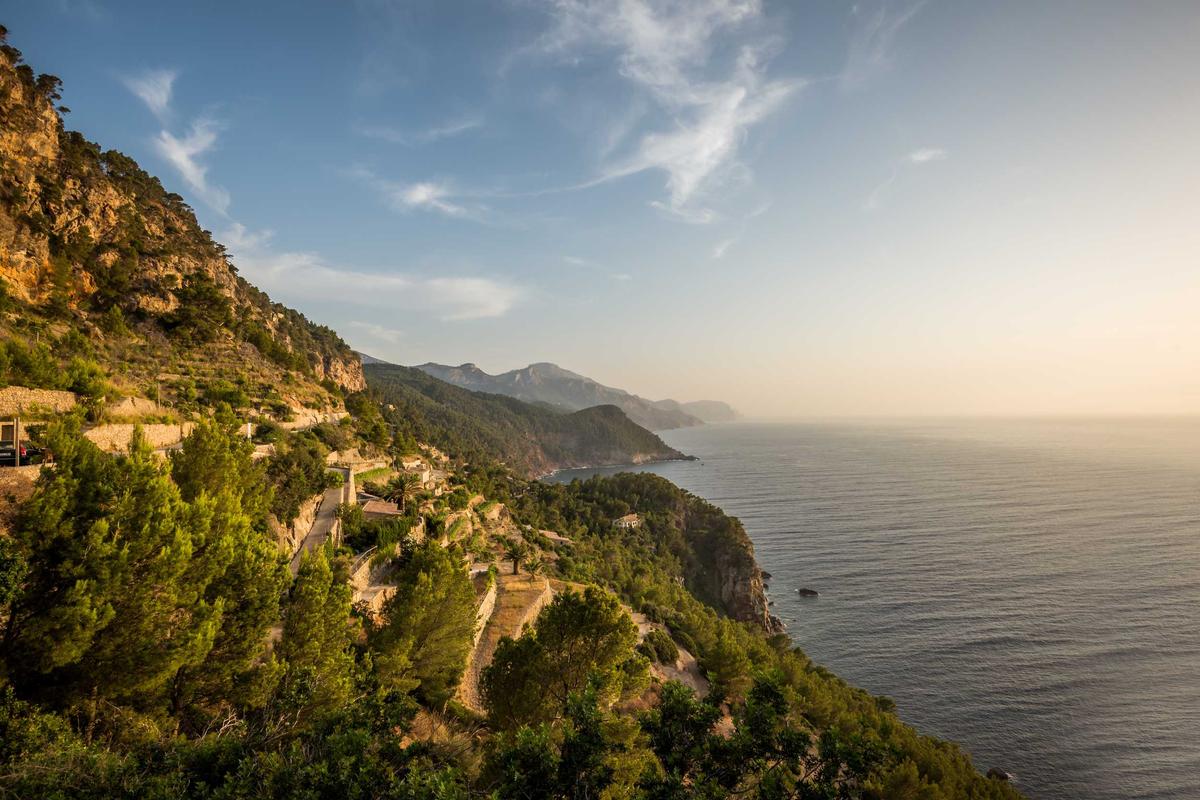
Imagine a landscape so profoundly dramatic that it feels like stepping into the pages of an ancient myth. In western Norway, the Earth’s crust has been torn open and sculpted by time, resulting in deep, emerald-colored waterways flanked by sky-piercing cliffs. These are the Norwegian fjords, a natural phenomenon that has captivated travelers, poets, and explorers for centuries. With their cascading waterfalls, abandoned cliffside farms, and waters so still they mirror the heavens, Norway’s fjords aren't just a destination—they are a sensory awakening.
Whether you're cruising through misty mornings or hiking along jagged ridges, the fjords offer an unmatched blend of tranquility and raw, untamed power. But what exactly makes these geological wonders so spellbinding?
Forged by Ice and Time
To truly appreciate the breathtaking fjords of Norway, one must understand their violent, icy birth. Over millions of years, through a succession of ice ages, colossal glaciers slowly ground their way toward the sea. As these multi-ton rivers of ice moved, they carved deep U-shaped valleys into the solid bedrock. When the glaciers eventually retreated, the seawater rushed in to fill these deep chasms, creating the fjords we see today.
Fascinating Fact: The word "fjord" is rooted in the Old Norse term fjorðr, which translates to a "crossing point" or "passage." For the Vikings, these waterways were the equivalent of modern highways, vital for trade, exploration, and community building.
The innermost arms of many fjords boast a vibrant, almost luminescent emerald hue. This striking color is the result of glacial meltwater carrying fine rock flour—microscopic particles of rock ground down by the glacier—which suspends in the water and beautifully reflects the sunlight. Furthermore, despite being located at such a high northern latitude, these deep-water passages remain largely ice-free during the harsh winter months, thanks to the warming embrace of the Gulf Stream.
Sognefjord: The King of the Fjords
With over a thousand fjords indenting the Norwegian coastline, Sognefjord easily commands the most respect. Fittingly nicknamed the "King of the Fjords," it is the longest and deepest fjord in Norway. Stretching a staggering 205 kilometers (127 miles) inland from the ocean, it cuts through the country's rugged heart, reaching unfathomable depths of up to 1,308 meters (4,291 feet). To put that into perspective, if you were to drop the Eiffel Tower into its deepest point, it would disappear completely, swallowed by nearly a kilometer of icy water above its spire.
Navigating the Sognefjord is an exercise in feeling wonderfully small. Its numerous branches splinter off into ever-narrowing corridors. The most famous of these branches is the Nærøyfjord. Measuring just 250 meters across at its narrowest point, Nærøyfjord is enclosed by mountains that loom over 1,700 meters high.
Fascinating Fact: If Nærøyfjord feels strangely familiar, you might recognize its enchanting aesthetic from the silver screen. Its dramatic, snow-dusted peaks and deep valleys directly inspired the fictional kingdom of Arendelle in Disney’s blockbuster animated film, Frozen.
The shores of Sognefjord are also steeped in human history. Tucked along its banks are ancient stave churches, such as the UNESCO-protected Urnes Stave Church. These wooden marvels, built in the 12th century, seamlessly blend Christian architecture with traditional Viking animal-art motifs, standing as silent witnesses to the fjord’s long, storied past.
Geirangerfjord: A UNESCO Wonder
While Sognefjord holds the records for size, Geirangerfjord holds the crown for sheer, concentrated beauty. Extending a mere 15 kilometers (9.3 miles), what Geirangerfjord lacks in length, it more than compensates for with explosive verticality. It is universally celebrated as one of the most magnificent fjord landscapes on the planet, a status firmly cemented by its inscription as a UNESCO World Heritage site in 2005.
The cliffs here rise almost perpendicular to the water, giving birth to some of Norway's most legendary waterfalls. As you sail through Geirangerfjord, you are greeted by the roaring thunder of water plummeting directly into the sea. The most famous of these is The Seven Sisters, a spectacular cascade of seven distinct streams that dance down the rock face side-by-side. Directly across the fjord is The Suitor, a waterfall shaped like a bottle, which, according to local folklore, is forever trying to woo the beautiful sisters opposite him.
Look closely at the sheer rock walls of Geirangerfjord, and you will spot a testament to human resilience: the historic, abandoned cliff-edge farms. Farms like Skageflå and Knivsflå are perched precariously on narrow mountain ledges, seemingly defying gravity. In centuries past, farmers tethered their children with ropes to prevent them from falling off the precipice while they played. Today, these farms stand empty, serving as a humbling reminder of the tough, resilient people who once eked out a living in this unforgiving environment.
The Realm of Trolls and Myths
You cannot speak of the Norwegian fjords without invoking the rich tapestry of folklore that shrouds them. The dramatic, jagged topography of Norway is not just a geological marvel to the locals; it is the playground of trolls.
In Norse mythology, trolls are giant, slow-witted, and sometimes dangerous supernatural beings that dwell in the deepest, darkest corners of the wilderness. They embody the untamed and unpredictable forces of nature. According to legend, these lumbering giants are strictly nocturnal and hold a fatal weakness: sunlight.
Fascinating Fact: Folklore dictates that if a troll is caught outside in the first light of dawn, it will instantly be turned to stone. This myth was historically used by Norwegians to explain the oddly shaped cliffs, boulders, and crags that dot the fjord landscape—believed to be petrified trolls who failed to find shelter before sunrise.
The landscape is deeply marked by these myths. Iconic natural landmarks bear names like Trolltunga (Troll's Tongue), a spectacular rock formation jutting out over a 700-meter abyss; Trollstigen (The Troll Path), a dizzying serpentine mountain road; and Trollveggen (The Troll Wall), Europe's tallest vertical, overhanging rock face. Even today, the spirit of the troll is celebrated across Norway as an enduring symbol of the wild.
The "Big Five" of the Fjords: A Wildlife Haven
Beyond the mythic giants of stone, the fjords are teeming with very real, spectacular wildlife. The rugged terrain and deep, nutrient-rich waters create a unique ecosystem that supports what enthusiasts call the "Fjords' Big Five."
Beneath the glassy surface of the water, harbor seals playfully dart through the shallows, while pods of harbor porpoises frequently break the water's surface. Lucky visitors may even catch a glimpse of the gentle giants of the deep, such as minke whales, sperm whales, and occasionally, passing pods of orcas.
Turn your gaze upwards, and the cliffs are alive with the frantic activity of nesting seabirds. The absolute monarch of these skies is the white-tailed eagle (havørn). With an imposing wingspan of up to 2.4 meters, these majestic raptors can often be seen gracefully riding the thermals high above the fjord. Along the coastal islands bordering the fjords, you can find vibrant colonies of Atlantic puffins, easily identifiable by their colorful, clown-like beaks and somewhat clumsy, yet endearing, flight patterns.
On land, the dense pine forests and high mountain plateaus are home to elusive creatures. The magnificent moose, often referred to as the "King of the Forest," roams the valleys, while herds of reindeer traverse the high-altitude plains. In the most remote regions, such as the Dovrefjell mountains, one might even encounter the prehistoric-looking musk ox, a shaggy survivor of the last ice age.
Pro Tip: If you're hoping to spot the Northern Lights (Aurora Borealis), plan your visit between late September and late March, and head further north to fjords like the Lyngen Alps or Tromsø!
A Journey to the Edge of the World
To experience the breathtaking fjords of Norway is to realize how perfectly nature can orchestrate stone, water, and ice. It is a place where waterfalls sing, where mountains bear the faces of petrified trolls, and where the ancient spirits of the Vikings still seem to whisper on the chilling wind.
Whether you stand on the precarious edge of Trolltunga looking down into the abyss, or sit quietly on a silent boat as the emerald waters ripple gently against the hull, the fjords demand reverence. They are not merely a scenic backdrop; they are an immersive, visceral experience that humbles the soul and reminds us of the profound, untamed majesty of our planet. A journey to the Norwegian fjords is a journey to the very edge of the world, leaving an indelible mark on all who are lucky enough to witness it.
Frequently Asked Questions (FAQs)
What is the best way to travel through the fjords?
A combination of travel methods is highly recommended! Taking a cruise or ferry gives you the best perspective from the water, while renting a car allows you to drive the breathtaking national tourist routes and explore at your own pace. The scenic Flåm Railway is another unmissable experience.
When is the best time to visit the Norwegian fjords?
The summer months (June to August) are the most popular, offering the warmest weather, long daylight hours (Midnight Sun), and fully accessible hiking trails. However, May is also beautiful with blossoming fruit trees and dramatic waterfalls swollen by melting snow.
Are the fjords easy to visit for people with limited mobility?
Yes! Norway has excellent infrastructure. Many ferries, catamarans, and major viewpoints (like the Stegastein viewpoint) are wheelchair accessible. Cruising is a fantastic way to see the sheer scale of the fjords with minimal physical exertion.
FAQ
What is the best way to travel through the fjords?
A combination of travel methods is highly recommended! Taking a cruise or ferry gives you the best perspective from the water, while renting a car allows you to drive the breathtaking national tourist routes and explore at your own pace. The scenic Flåm Railway is another unmissable experience.
When is the best time to visit the Norwegian fjords?
The summer months (June to August) are the most popular, offering the warmest weather, long daylight hours (Midnight Sun), and fully accessible hiking trails. However, May is also beautiful with blossoming fruit trees and dramatic waterfalls swollen by melting snow.
Are the fjords easy to visit for people with limited mobility?
Yes! Norway has excellent infrastructure. Many ferries, catamarans, and major viewpoints (like the Stegastein viewpoint) are wheelchair accessible. Cruising is a fantastic way to see the sheer scale of the fjords with minimal physical exertion.
Get more practical guides like this
Follow the RSS feed or send Sahi.info to your WhatsApp circle so the practical guides keep moving.