The Magic of Patagonia: Journey to the End of the World
Discover the wild, untamed beauty of Patagonia, where jagged peaks meet massive glaciers and the howling wind sings tales of the Earth's final frontier.
Patagonia: The Call of the Wild Frontier
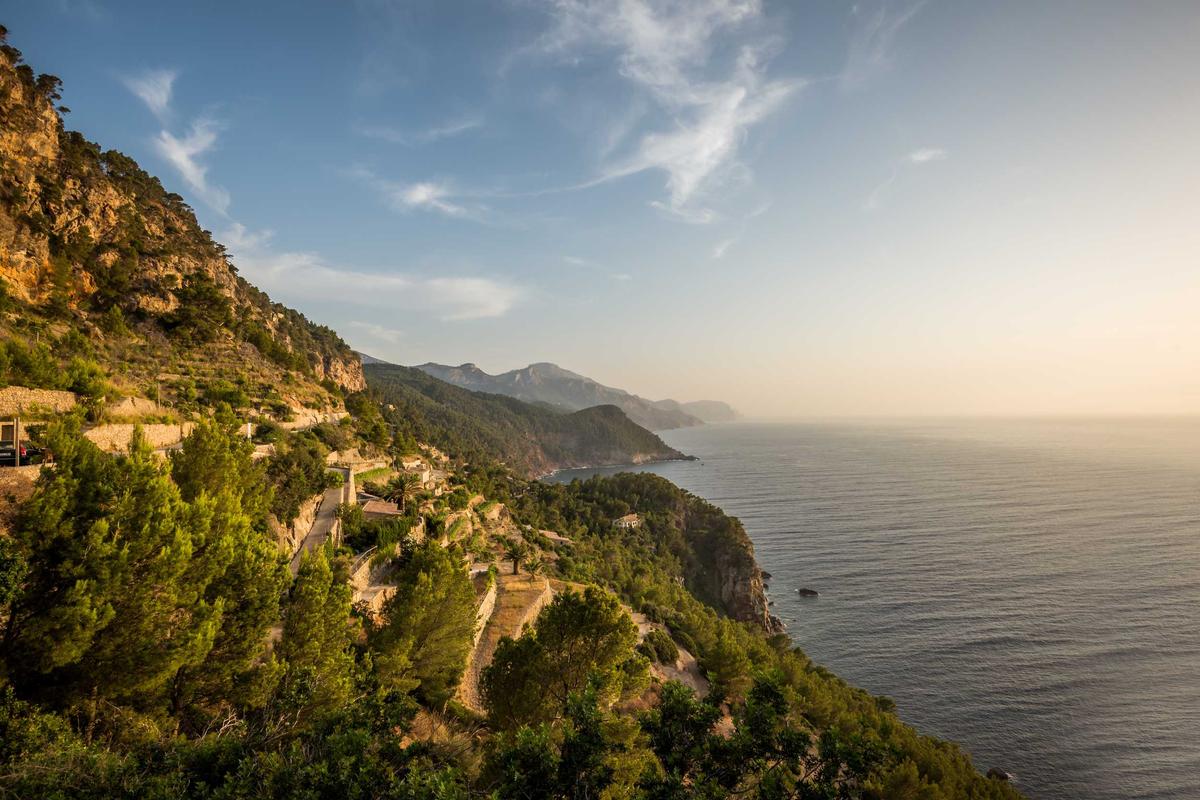
There is a place on Earth where the wind doesn’t just blow; it howls with the voices of ancient spirits. A place where the land fractures into a labyrinth of fjords, where glaciers calve with the thunder of a thousand cannons, and where granite spires pierce the sky like the jagged teeth of a sleeping dragon. Welcome to Patagonia. Stretching across the southernmost tip of South America, shared by Chile and Argentina, this untamed wilderness is more than just a destination—it is a visceral experience that alters the very geometry of your soul.
Here, at the literal end of the world, Mother Nature reigns supreme. It is a land of extremes, where the silence of the vast Patagonian steppe is broken only by the shriek of the Andean condor, and where the air is so crisp it feels like drinking glacial meltwater with every breath. For those who dare to venture into its embrace, Patagonia offers a masterclass in awe and unfiltered adventure.
The Granite Crown of Chile
Torres del Paine National Park
If Patagonia were a kingdom, Torres del Paine National Park would undoubtedly be its crown jewel. The park is a surreal tapestry of emerald forests, sapphire lakes, and roaring waterfalls, all dominated by the Cuernos del Paine—horn-shaped peaks sculpted by millennia of glacial ice. Trekking through the French Valley or gazing upon the three iconic granite towers at dawn is a rite of passage for adventurers.
As the first rays of the sun strike the towers, the gray granite ignites into brilliant hues of crimson and gold. It is a fleeting, magical moment that makes the grueling pre-dawn hike entirely worthwhile. But beware: Torres del Paine is notorious for experiencing all four seasons in a single day. The fierce Patagonian wind can knock a grown adult off their feet, serving as a constant reminder that you are a mere guest in this wild domain.
Fascinating Fact: The name "Patagonia" was coined by Portuguese explorer Ferdinand Magellan in 1520. He used the word Patagones (meaning "big feet") to describe the indigenous Tehuelche people, who wore large, insulated boots made of guanaco skin, leaving massive footprints in the snow.
Argentina's Glacial Giants
The Thunderous Ice: Perito Moreno Glacier
Crossing the border into Argentina’s Los Glaciares National Park brings you face-to-face with one of the most hypnotic sights on the planet: the Perito Moreno Glacier. Unlike most glaciers worldwide that are retreating due to climate change, Perito Moreno is in a state of equilibrium, constantly advancing and shedding colossal chunks of ice into the milky waters of Lake Argentino.
Standing on the viewing boardwalks, you don't just see the glacier; you hear it. It groans, creaks, and pops as the immense pressure of the ice flow builds. Then comes the spectacle—a skyscraper-sized pillar of ice ruptures from the 200-foot-high face, plummeting into the water below with a deafening roar that reverberates in your chest. It is a violent, beautiful display of Earth’s raw geological power.
Pro Tip: To get the most intimate experience with Perito Moreno, book an ice-trekking tour! Armed with crampons, you can actually hike across the glacier's surface, navigating deep blue crevasses and glacial streams.
Mount Fitz Roy: The Smoking Mountain
Further north lies the bohemian village of El Chaltén, the undisputed trekking capital of Argentina. Above the town looms the formidable silhouette of Mount Fitz Roy. Its sheer granite faces are a mecca for the world’s elite rock climbers, but the surrounding trails offer spectacular rewards for day-hikers as well.
The indigenous Aonikenk people called the mountain Chaltén, which translates to "Smoking Mountain." They believed it was a volcano because its peak is almost perpetually shrouded in a wispy cape of clouds, created by the moisture-laden Pacific winds colliding with the freezing high-altitude air. The hike to Laguna de los Tres, a vibrant turquoise lagoon at the base of Fitz Roy, is arguably one of the most breathtaking day hikes on the globe.
Wildlife and the End of the World
Survivors of the Steppe
While the landscapes steal the spotlight, Patagonia’s resilient wildlife is equally fascinating. The arid eastern steppes and the lush western forests are home to an array of creatures perfectly adapted to the harsh environment.
- Guanacos: These elegant, llama-like camelids roam the plains in large herds, their golden coats blending seamlessly with the dry pampas grass.
- Pumas: Patagonia is one of the best places in the world to track wild pumas. In Torres del Paine, these elusive "ghosts of the Andes" prowl the valleys.
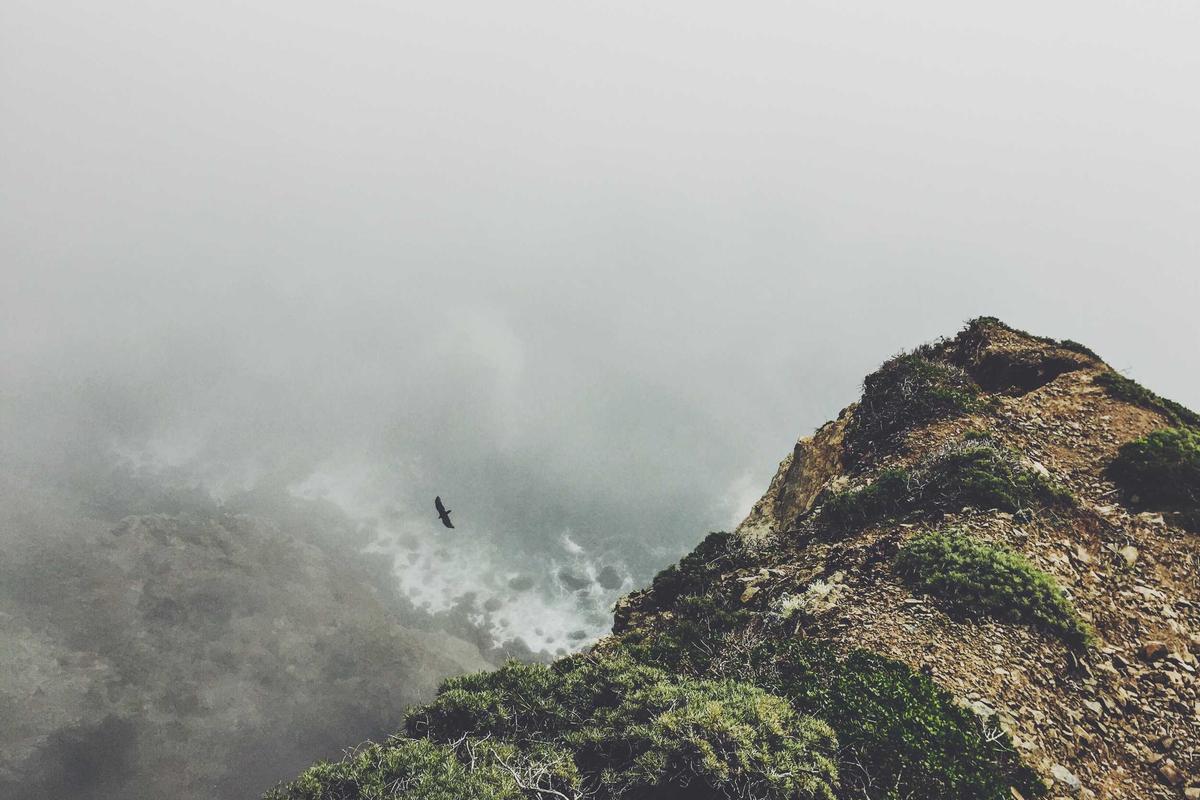
- Andean Condors: Look up, and you might spot the undisputed king of the Patagonian sky. Catching thermal updrafts, they glide effortlessly for hours.
Fascinating Fact: The Andean Condor has a staggering wingspan of up to 10.5 feet (3.2 meters) and can weigh up to 33 pounds (15 kg), making it the largest flying bird in the world by combined weight and wingspan!
Ushuaia: The Final Frontier
No journey to the end of the world is complete without actually reaching it. Ushuaia, nestled on the archipelago of Tierra del Fuego (Land of Fire), proudly claims the title of the southernmost city on Earth. Framed by the Martial Glacier to the north and the historic Beagle Channel to the south, Ushuaia feels like the edge of reality.
Here, you can sail alongside colonies of waddling Magellanic penguins, hike through subpolar peat bogs, or gaze out at the dark, turbulent waters of the Southern Ocean. The air in Ushuaia carries a profound sense of isolation mixed with the thrilling realization of how far you have traveled.
Frequently Asked Questions (FAQs)
What is the best time of year to visit Patagonia?
The prime time to visit is during the Southern Hemisphere's summer, from November to early March. Days are longer and temperatures are warmer, though you should still expect strong winds and unpredictable weather.
Do I need a guide to hike in Torres del Paine or El Chaltén?
Many trails in both areas are well-marked and can be hiked independently. However, if you plan to do multi-day treks like the "O Circuit" in Torres del Paine, booking campsites well in advance or hiring a guide service is highly recommended.
What should I pack for a trip to Patagonia?
Layers are crucial! Bring moisture-wicking base layers, an insulating mid-layer (like fleece or down), and a robust waterproof/windproof outer shell. Don't forget sturdy, broken-in hiking boots and high-quality trekking socks.
FAQ
What is the best time of year to visit Patagonia?
The prime time to visit is during the Southern Hemisphere's summer, from November to early March. Days are longer and temperatures are warmer, though you should still expect strong winds and unpredictable weather.
Do I need a guide to hike in Torres del Paine or El Chaltén?
Many trails in both areas are wellmarked and can be hiked independently. However, if you plan to do multiday treks like the "O Circuit" in Torres del Paine, booking campsites well in advance or hiring a guide service is highly recommended.
What should I pack for a trip to Patagonia?
Layers are crucial! Bring moisturewicking base layers, an insulating midlayer (like fleece or down), and a robust waterproof/windproof outer shell. Don't forget sturdy, brokenin hiking boots and highquality trekking socks.
Get more practical guides like this
Follow the RSS feed or send Sahi.info to your WhatsApp circle so the practical guides keep moving.