The Hidden Gems of Kyoto: Exploring Japan's Cultural Heart
Step away from the crowds of Fushimi Inari and discover the tranquil, mystical, and profoundly beautiful corners of Kyoto that most travelers never see.
Hidden Kyoto: Discovering the Serene Shadows of Japan's Cultural Capital
When one conjures an image of Kyoto, the mind instantly paints a picture of golden pavilions reflecting in placid ponds, endless arcades of vermilion torii gates, and towering bamboo stalks swaying in the breeze. While Kinkaku-ji, Fushimi Inari, and Arashiyama are undeniably spectacular, they often draw crowds so thick that the city’s intrinsic serenity gets drowned out by the click of cameras and the chatter of tour groups.
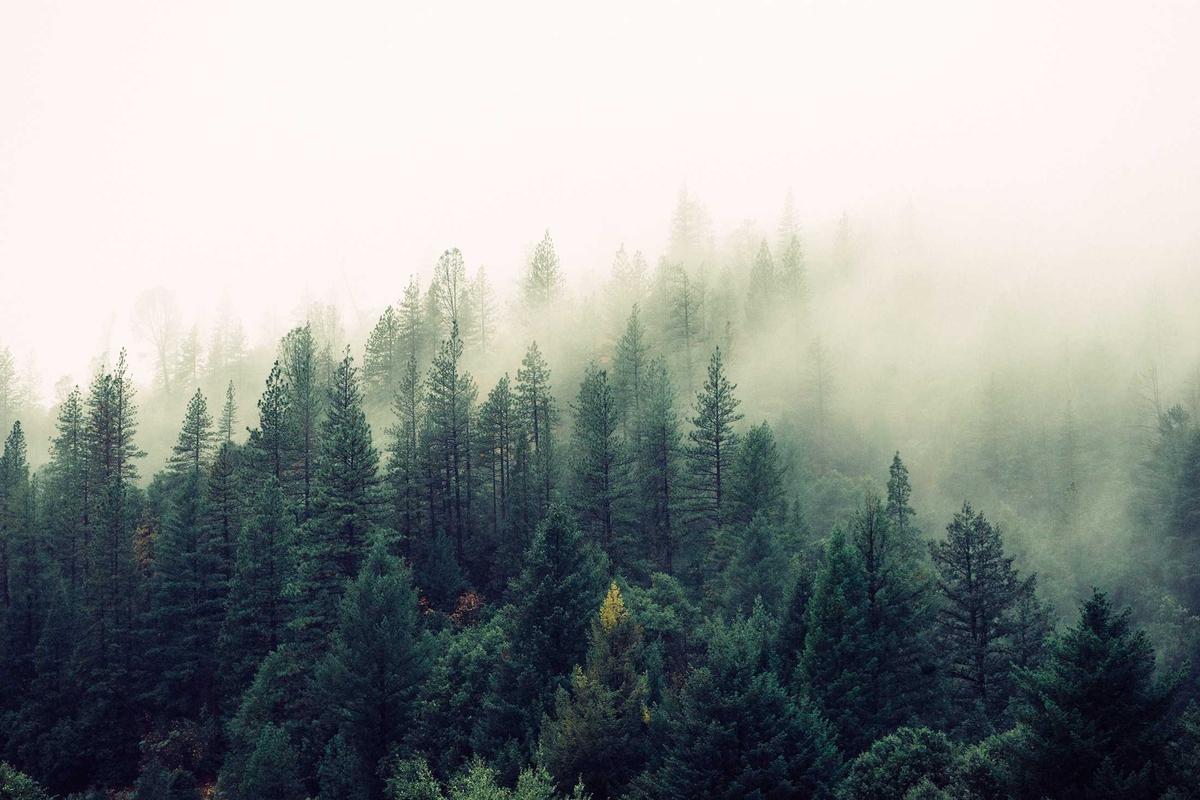
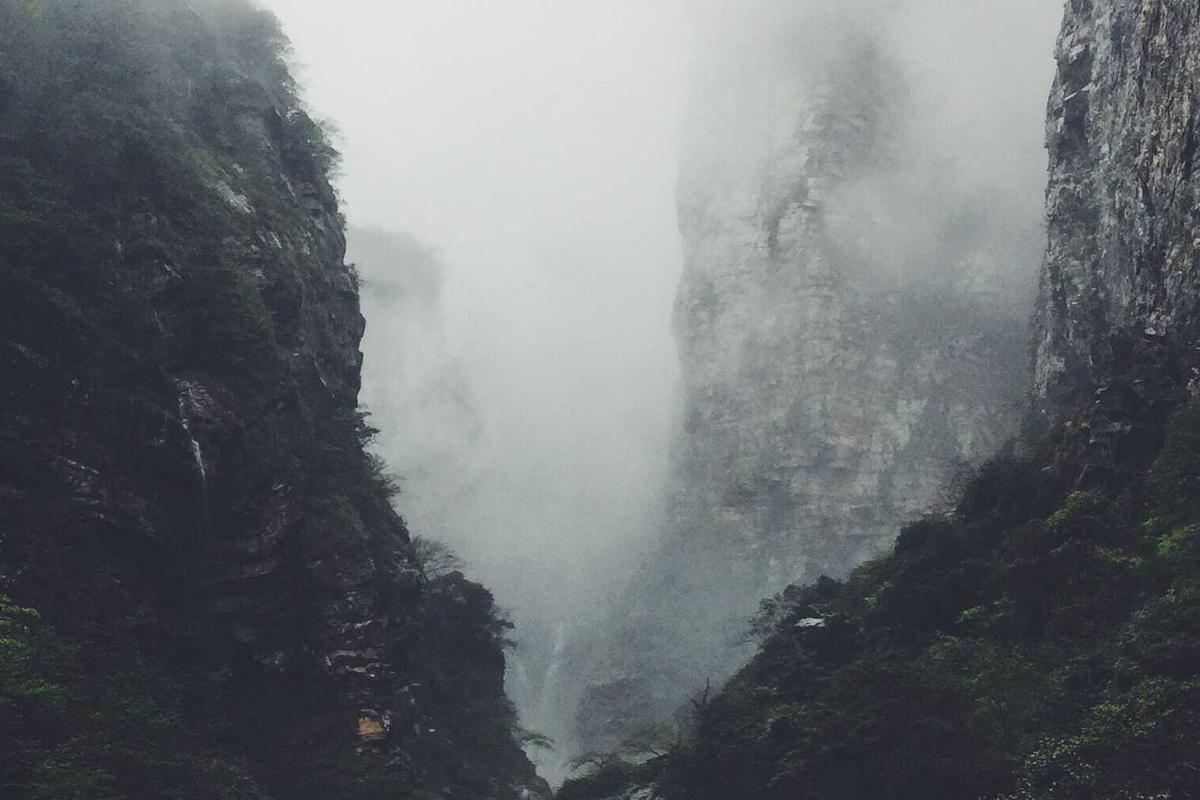
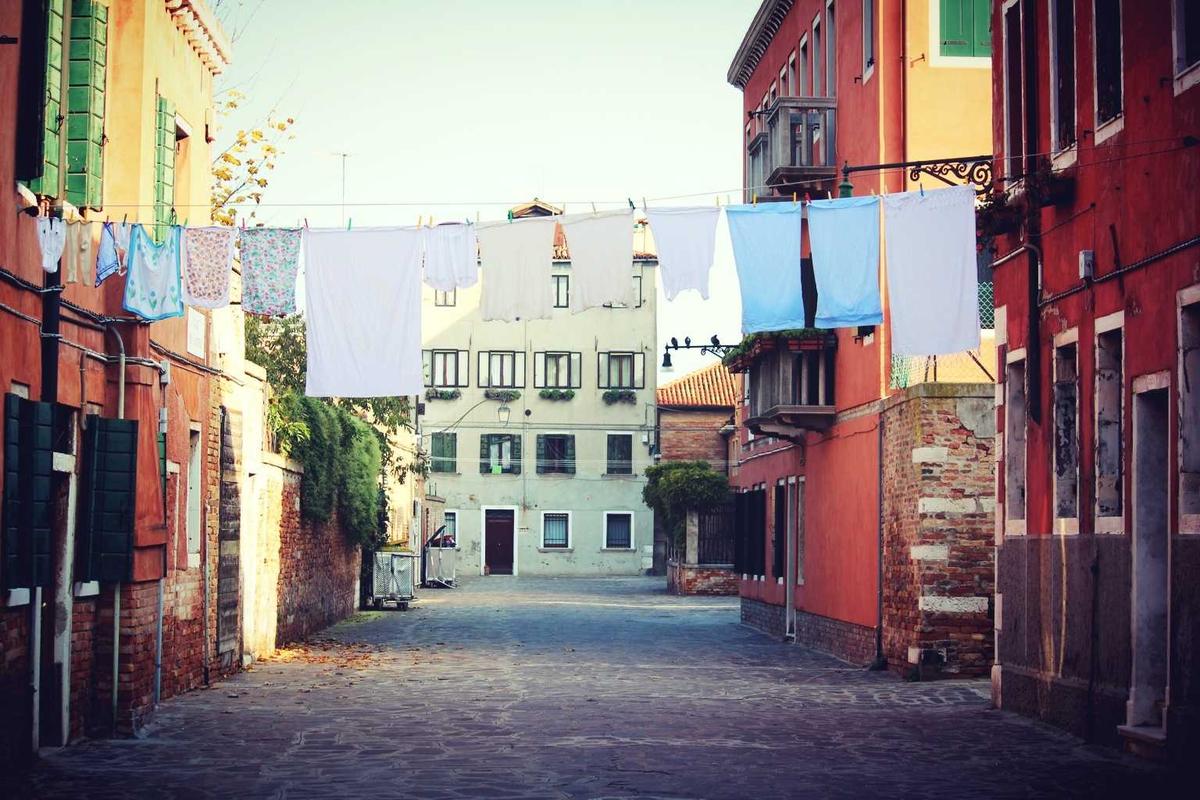
But Kyoto’s true magic lies in its shadows, in the quiet alleys where time seems to stand still, and in the forgotten temples nestled deep within the forested hills. If you are willing to step off the well-trodden tourist trail, you will discover the hidden gems of Kyoto—a side of Japan’s cultural heart that remains tranquil, mystical, and profoundly beautiful. Let's explore the quieter, more soulful side of this ancient capital.
The Forgotten Temples and Shrines
Otagi Nenbutsu-ji: The Temple of 1,200 Whimsical Faces
Tucked away in the scenic Sagano area, far beyond the bustling center of Arashiyama, lies one of Kyoto’s most endearing and unusual temples: Otagi Nenbutsu-ji. As you walk through its gates, you are greeted by an army of over 1,200 stone rakan (disciples of Buddha) statues scattered across the hillside.
But these are no ordinary solemn statues. Look closely, and you will see an explosion of personality. Some statues are laughing uproariously, others are holding tiny pets, a few are sharing a drink, and one is even wielding a tennis racket!
Fascinating Fact: These charming statues are not ancient relics! They were carved in the 1980s by ordinary citizens from all over Japan, guided by the temple’s head priest and master sculptor, Kocho Nishimura. Because each was carved by a different person, no two are alike!
Wandering through this moss-draped sanctuary, listening to the rustling leaves and the distant toll of a temple bell, you’ll find a profound sense of joy and tranquility that larger temples often lack.
Gio-ji Temple: A Verdant Moss Haven
If you find yourself in Arashiyama, skip the congested main streets and head slightly north to the enchanting Gio-ji Temple. This small, unassuming thatched-roof nunnery is surrounded by one of the most breathtaking moss gardens in all of Japan.
Surrounded by a dense canopy of maple trees, the ground is blanketed in a lush, velvety carpet of vivid green moss. The interplay of dappled sunlight and shadow creates an almost otherworldly atmosphere.
Pro Tip: Visit Gio-ji just after a light rain if possible. The moisture makes the vibrant green hues of the moss garden truly pop and deepens the serene, earthy aromas.
The Quiet Charm of Old Gion
Kamishichiken: The Whisper of Kyoto's Geisha
Most visitors flock to the Gion district in hopes of catching a fleeting glimpse of a geiko (the Kyoto term for geisha) or a maiko (apprentice geisha). However, Gion has become so crowded that the ethereal charm of the flower town is sometimes lost.
For a more authentic and intimate experience, head to Kamishichiken. Translated as "Seven Upper Houses," Kamishichiken is Kyoto’s oldest hanamachi (geisha district), located just east of the Kitano Tenmangu Shrine.
Strolling down its lantern-lit streets, lined with traditional dark-wood machiya (townhouses), you can truly feel the weight of history. The atmosphere here is quiet, refined, and completely devoid of the chaotic crowds of Gion. If you happen to see an elegantly draped maiko gliding toward her evening engagement, the moment feels entirely yours.
Fascinating Fact: Kamishichiken’s crest is a ring of dangling dango (sweet rice dumplings). This emblem dates back to the Muromachi period when tea houses in the area served these treats to the shogun Toyotomi Hideyoshi, who was so delighted that he granted them exclusive rights to sell dango!
Mystical Mountains and Imperial Retreats
Kurama and Kibune: Nature and Water Divination
To truly escape the urban sprawl, take the scenic Eizan Railway north to the forested mountains of Kurama and Kibune. These twin valleys offer a spiritual retreat deeply entwined with nature and folklore.
Begin at Kurama-dera, a mountain temple dedicated to the spirits of the forest and rumored to be the birthplace of Reiki. The hike from Kurama over the mountain ridge down to the village of Kibune is lined with ancient, twisting cedar trees with exposed roots—said to be the training grounds of the Tengu, mythical bird-like mountain goblins.
Once you descend into Kibune, you’ll find Kifune Shrine, dedicated to the deity of water and rain. A striking stone staircase lined with bright red wooden lanterns leads up to the main hall, creating a visual contrast against the verdant forest that is an absolute photographer’s dream.
Important: At Kifune Shrine, you can purchase a mizu-ura mikuji, a special type of fortune-telling paper. It appears blank until you float it in the sacred fountain, where your fortune magically appears in ink!
Shoren-in Temple: The Emperor's Secret Retreat
Located at the foot of the Higashiyama mountains, Shoren-in is an imperial monzeki temple. Despite being a stone's throw away from the crowded Chion-in Temple, Shoren-in remains blissfully overlooked.
The entrance is guarded by colossal, 800-year-old camphor trees that exude a powerful, grounding energy. Inside, the temple allows you to wander freely through its tatami-matted halls. The sliding screen doors (fusuma) feature stunning modern lotus paintings in vibrant blues and golds, beautifully juxtaposing the ancient architecture.
Take a moment to sit on the wooden engawa (veranda) facing the meticulously landscaped Muromachi-period pond garden. In the spring and autumn, the temple holds special evening illuminations, bathing the garden in a mystical blue light.
Frequently Asked Questions (FAQs)
What is the best way to get around Kyoto?
Kyoto has an extensive bus and subway network, but the buses can get very crowded during peak tourist seasons. Renting a bicycle is an excellent way to explore the flatter parts of the city at your own pace.
When is the best time to visit the temples?
To avoid the crowds and experience the temples at their most serene, try to visit right when they open in the morning (usually around 8:30 AM or 9:00 AM) or just before they close in the late afternoon.
Are there etiquette rules I should follow at temples and shrines?
Yes! Always speak quietly, take off your shoes when entering temple buildings, and refrain from taking photos where signs indicate it is prohibited. At Shinto shrines, bow slightly before entering the torii gate.
FAQ
What is the best way to get around Kyoto?
Kyoto has an extensive bus and subway network, but the buses can get very crowded during peak tourist seasons. Renting a bicycle is an excellent way to explore the flatter parts of the city at your own pace.
When is the best time to visit the temples?
To avoid the crowds and experience the temples at their most serene, try to visit right when they open in the morning (usually around 8:30 AM or 9:00 AM) or just before they close in the late afternoon.
Are there etiquette rules I should follow at temples and shrines?
Yes! Always speak quietly, take off your shoes when entering temple buildings, and refrain from taking photos where signs indicate it is prohibited. At Shinto shrines, bow slightly before entering the torii gate.
Get more practical guides like this
Follow the RSS feed or send Sahi.info to your WhatsApp circle so the practical guides keep moving.