Indian Street Food Safety Guide: Pani Puri, Chaat, Momos, Rolls, and How to Eat Safely
Enjoy pani puri, chaat, momos, rolls, and other Indian street foods with smarter hygiene checks and safer choices.
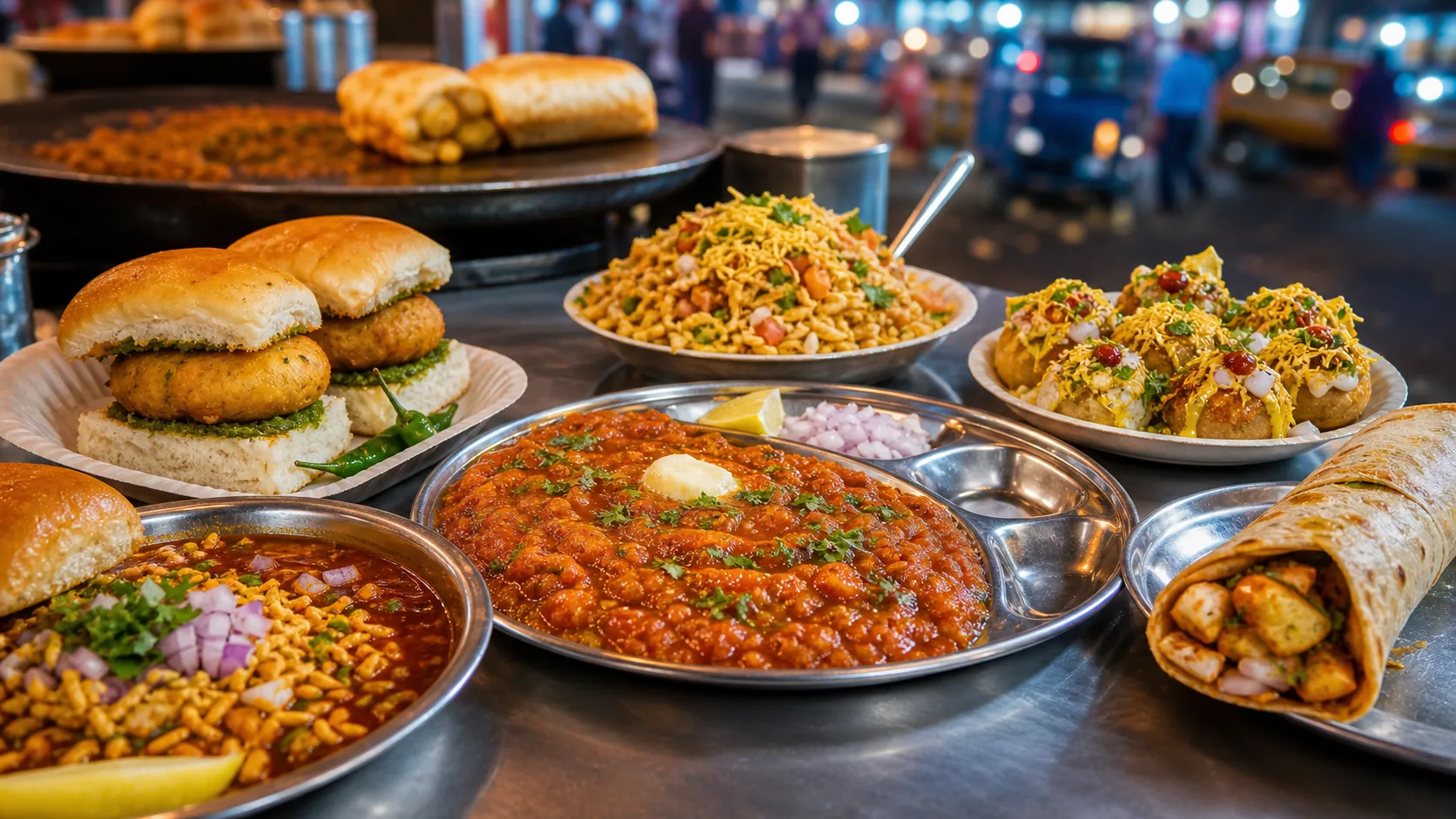
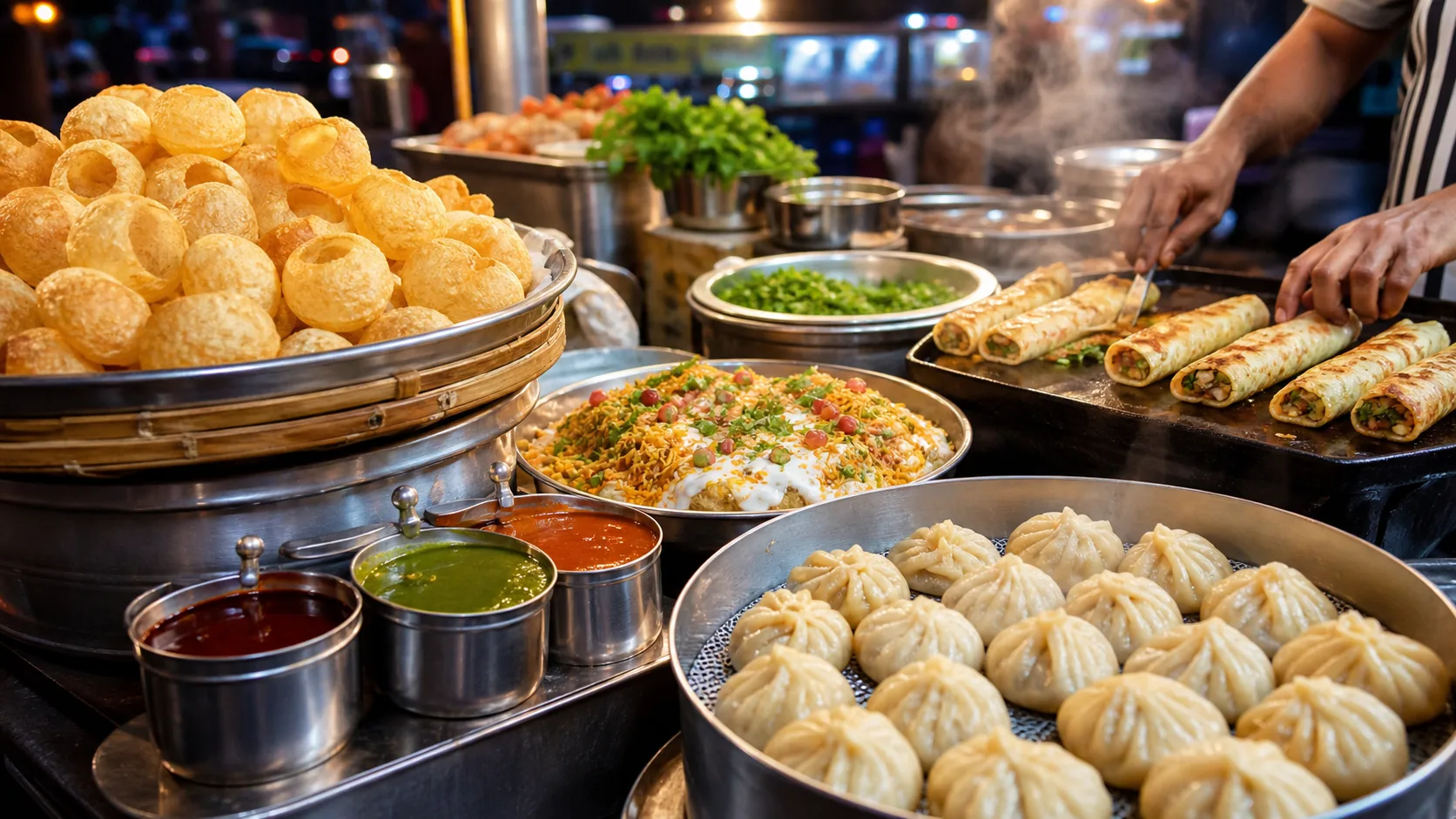
Indian street food is theatre: pani puri counters, chaat plates, momo steamers, kebab rolls, pav bhaji tawas, and impatient crowds. The trick is not fear. The trick is choosing stalls where freshness, heat, clean water, and turnover are visible.
The Ten-Second Stall Check
Before ordering, observe. Is food covered? Is the vendor using separate tools for cash and food? Is the oil dark and smoking? Are chutneys exposed to dust? Is hot food actually hot? A busy stall with fast turnover is usually safer than a quiet stall where fillings and sauces sit for hours.
Pani Puri and Chaat
Pani puri is mostly a water test. Ask if filtered water is used and avoid unknown ice. Covered steel containers are better than open buckets. For chaat, check that hot items are reheated properly and curd is cold, thick, and covered. Dull green chutney and sour-smelling curd are warning signs.
Momos, Rolls, and Kebabs
Momos should come hot from an active steamer, not a cold pile. Chicken filling must be piping hot inside. For rolls, watch the tawa: egg, paneer, chicken, or kebab fillings should be cooked or reheated on high heat before assembly. Avoid roadside mayonnaise unless storage is clearly safe.
Safer Choices While Travelling
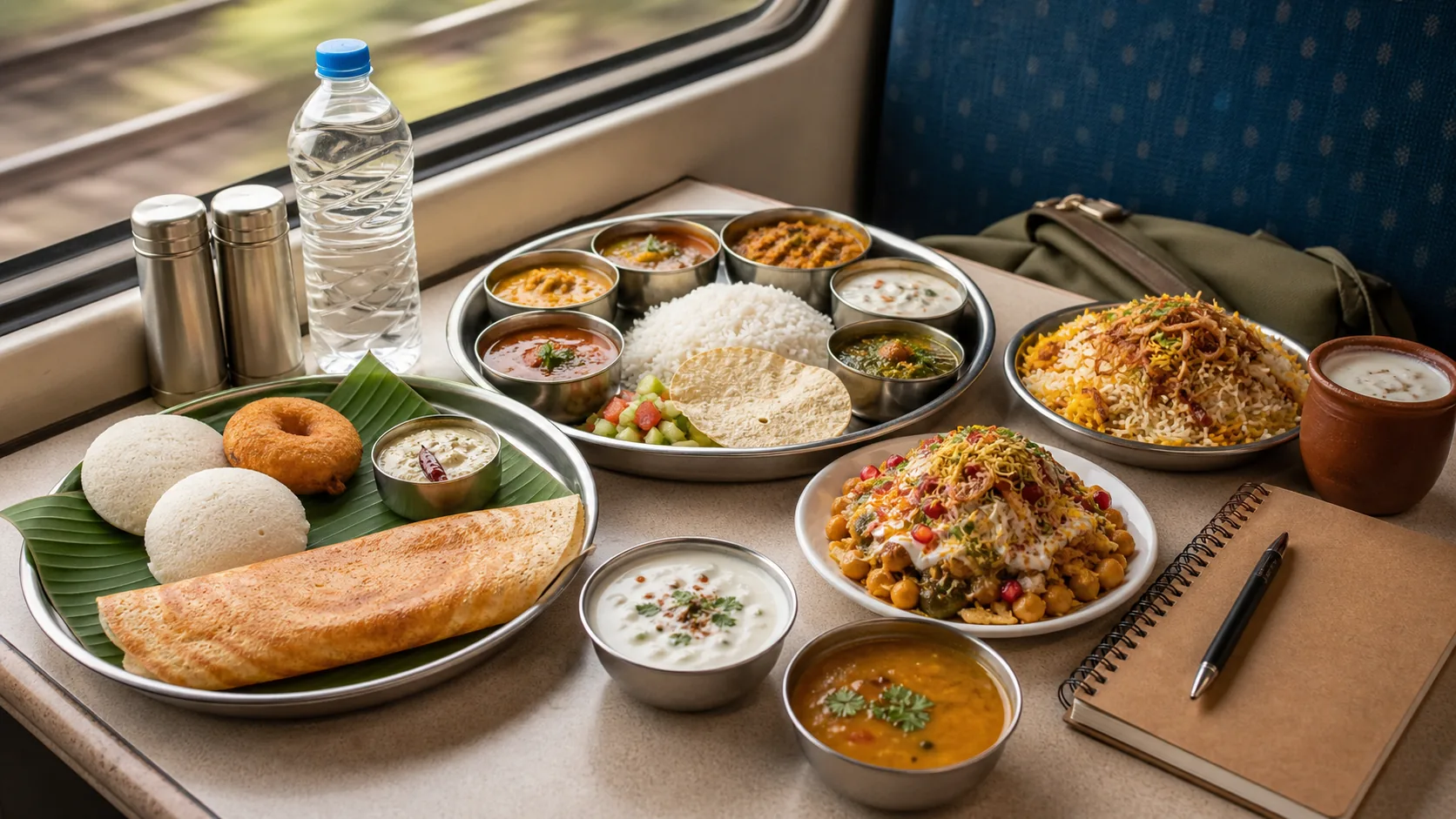
Freshly cooked hot foods are better for travel days: dosa, pav bhaji, roasted corn, pakoras, poha, upma, fresh rolls, and hot tikki. Be more cautious with open water, cut fruit, raw chutneys, old curd, and drinks with unknown ice.
Pro Tip: Eat during the rush rather than at the dead end of the day. Peak turnover usually means fresher fillings, chutneys, and cooked items.
Fascinating Fact: Street food depends on contrast: hot and cold, crisp and soft, spicy and sweet. That same contrast is why each component has its own freshness risk.
FAQ
Is pani puri safe from street vendors?
It can be if filtered water is used, the pani is covered, fillings are fresh, and the stall is busy.
Which street foods are safer for tourists?
Fresh hot foods such as dosa, pav bhaji, pakoras, roasted corn, and hot rolls are generally safer than raw or waterheavy snacks.
How do I spot a risky stall?
Avoid stalls with uncovered ingredients, stale oil, flies near chutney, lukewarm meat, dirty water, or food handled with the same hand as cash.
Get more practical guides like this
Follow the RSS feed or send Sahi.info to your WhatsApp circle so the practical guides keep moving.